
Plants
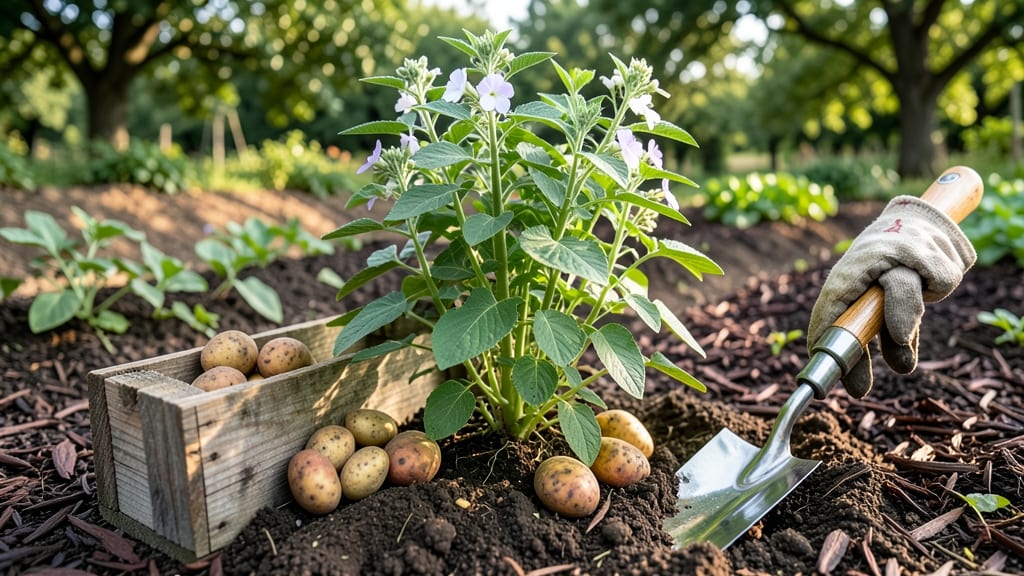
Timing when you can plant potatoes in Zone 5 can mean the difference between a bumper harvest and a crop of bitter, inedible tubers. Plant too early, and you risk bolting—when your potatoes send up flowers instead of growing edible spuds.
But with the right frost-date strategy, you can avoid this common mistake and set yourself up for success.
In Zone 5, where last frosts typically hit around mid-April, the key is planting 4-6 weeks before that date—usually in early March or late February if you're using frost protection. This window gives your potatoes enough time to mature before summer heat triggers bolting.
The right timing also depends on whether you're growing early varieties (like Yukon Gold) or later ones (like Red LaSoda).
I’ve tested these strategies in my own garden, and the results speak for themselves: no more wasted seed potatoes and a consistent harvest every season. Whether you're a beginner or a seasoned gardener, mastering this timing will transform your potato patch.
Let’s dive into the exact steps to get it right.
You’ll learn how to calculate your local frost dates, choose the best varieties for your microclimate, and even extend your growing season with simple hacks.
By the end, you’ll know exactly when to plant your 🥔 potatoes in Zone 5—and how to avoid the most common mistakes that lead to bolting. Ready to grow perfect spuds?

Zone 5 potato planting timeline: frost-dates that prevent bolting
Potatoes in Zone 5 thrive when planted at the perfect intersection of soil temperature and frost-free days. The average last frost date for Zone 5 falls around April 15, but your exact timing depends on microclimates—like sheltered valleys or windy hilltops.
Planting too early risks bolting (premature flowering), while waiting too late cuts harvests short. Let’s break down the science behind timing your potatoes for success.
Potatoes need 4-6 weeks of warm soil before sprouting. Aim for a soil temperature of 45°F (7°C)—this is your green light to plant. Use a soil thermometer to check; if it’s colder, wait.
In Zone 5, this usually means planting 4-6 weeks before your last frost date, often landing in late March to early April. For example, if your last frost is April 20, plant by March 25-March 30.
Here’s the key: Early varieties (like 'Yukon Gold') mature in 70-90 days, while late varieties (like 'Russet Burbank') take 100-120 days. Zone 5’s 160 frost-free days limit your window—so choose varieties that fit.
Early potatoes can even be planted in late winter under frost protection (like row covers) for a jumpstart.
| Stage | Action | Zone 5 Timeline |
|---|---|---|
| Soil Prep | Test pH (5.0-6.5), add compost | Late February - Early March |
| Plant Seed Potatoes | 4" deep, 12" apart, rows 3' apart | Late March - Early April |
| Sprouting | Emerges at 50°F (10°C) soil | April 1 - April 15 |
| Hilling | Add soil to stems every 2-3 weeks | May - June |
| Flowering | Blooms signal tuber growth | June - July |
| Harvest | Early: New potatoes; Late: Full tubers | July - August (early) / September (late) |
Microclimates can shift your planting window by 2-3 weeks. For example, southern Zone 5b (like parts of Virginia) may plant by March 15, while northern Zone 5a (like Minnesota) might wait until April 1.
Check local records or use the National Weather Service’s frost maps to refine your dates. Even a 10°F difference in nighttime temps can delay planting by a week.
If you’re unsure about your last frost date, use the "50% chance of frost" rule. Many Zone 5 gardeners plant by April 15 as a safe bet, but early varieties can handle a light frost.
For extra safety, use row covers or plant in black plastic mulch to warm the soil faster. This trick adds 1-2 weeks to your growing season.
Another pro tip: Chit your seed potatoes (sprout them indoors) 4-6 weeks before planting. This gives you a 2-week head start on growth. Place seed potatoes in a bright, cool spot (50-60°F) and watch for 1-inch sprouts before planting. Chitted potatoes emerge faster in cold soils, reducing bolting risks.
For extended harvests, plant a mix of early, mid, and late varieties. For example, 'Early Red' (70 days) can be harvested in late July, while 'Kennebec' (110 days) won’t be ready until September.
This succession planting strategy ensures potatoes all summer long. Just space them 2 weeks apart for staggered maturity.
Remember: Daylength matters. Potatoes bolt when days exceed 14-16 hours of light. In Zone 5, this happens by late June. To delay bolting, plant late varieties in early May—they’ll mature before the long days trigger flowering. Use shade cloth (30-50%) if you’re pushing the season’s limits.
5 Frost-date hacks to outsmart Zone 5’s short growing season
Zone 5’s short growing season (just 160 frost-free days) makes timing everything for potatoes. Miss the window, and you risk bolting—when your spuds flower instead of storing energy in tubers. But with these 5 frost-date hacks, you can stretch your season and grow potatoes like a pro.
First, choose fast-maturing varieties like 'Early Red' (60-70 days) or 'Yukon Gold' (90 days). These beat the clock by reaching harvest before summer’s heat triggers bolting. Pair them with cold-hardy types like 'Kennebec' (110 days) for a staggered harvest.
Soil warming is your secret weapon. Use black plastic mulch or straw bales to raise soil temps by 5-10°F. This lets you plant 2-3 weeks earlier without risking frost damage to tender sprouts. Just remove the mulch after planting to avoid overheating.
For extended harvests, try succession planting. Plant half your crop 4-6 weeks before the last frost, then add a second batch 2 weeks after the first. This ensures a continuous supply from July through September. Just space rows 3 feet apart to avoid crowding.
Don’t forget microclimates! South-facing slopes warm up 1-2 weeks earlier than low-lying areas. Plant these spots first, then move to cooler zones. If your garden is shaded, opt for container-growing—5-gallon buckets let you move pots to sunny spots as needed.
Finally, monitor soil temps with a soil thermometer. Potatoes sprout best when soil hits 45°F, but roots need 55°F+ to grow. If temps lag, use straw mulch or a cold frame to accelerate warming. With these hacks, you’ll dodge bolting and enjoy homegrown spuds all season long!