
Companion Plants
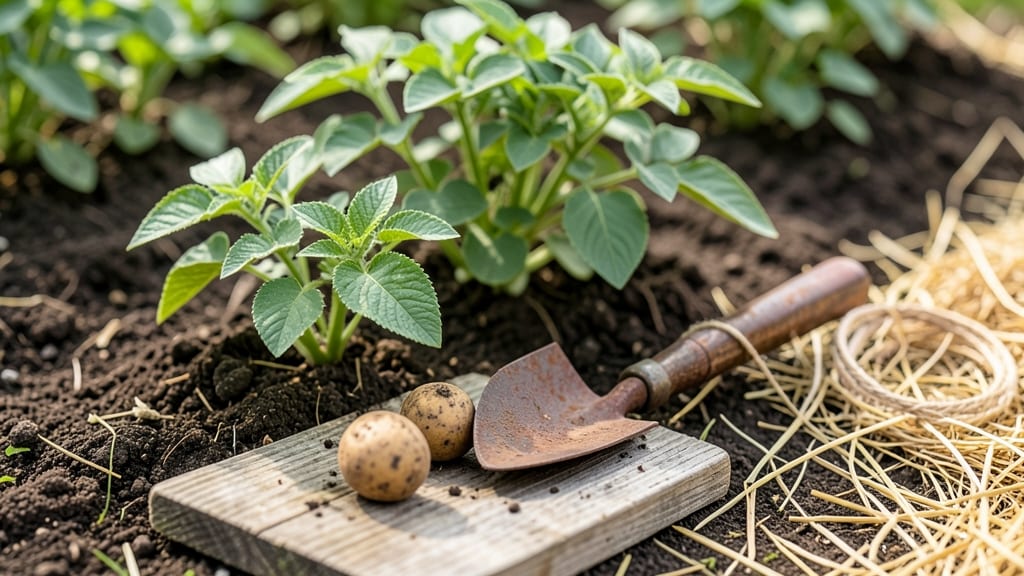
Knowing when to plant potatoes in Zone 7 is the difference between a thriving harvest and wasted effort. Skip the guesswork—getting the timing right means avoiding those bitter, flower-filled potatoes that bolt too soon. With Zone 7’s unpredictable spring weather, even experienced gardeners can misjudge the perfect window.
I’ve learned the hard way that planting too early risks frost damage, while waiting too long can trigger bolting before harvest. The key? Start 4-6 weeks before your last frost date—typically between late February and early March for most of Zone 7.
But there’s more to it than just dates: soil temperature, variety selection, and even microclimates play a role.
In this guide, I’ll break down the exact Zone 7 potato planting schedule, including how to adjust for your specific sub-region (whether you’re in the Piedmont or coastal areas).
You’ll discover how to prep your soil, choose the right varieties, and use simple tricks like chitting to give your potatoes a head start.
Ready to grow crisp, flavorful potatoes without the stress? Let’s dive into the science-backed timeline that’ll turn your garden into a tuber treasure trove.

Zone 7 potato planting timeline: exact dates to avoid frost and bolting
In Zone 7, the last frost date typically falls around March 15, but this can vary by 1-2 weeks depending on whether you're in the Piedmont (warmer) or Coastal (cooler) regions.
Planting too early risks frost damage, while waiting too long can trigger early bolting—when potatoes flower instead of producing tubers. The sweet spot? Start 2-4 weeks before your last frost for early varieties.
For Zone 7, that means late February to early March is your ideal window. If you're growing late-maturing varieties like Kennebec, you can push planting to mid-March.
But if you plant after mid-April, you risk heat stress and poor tuber formation. Always check your local USDA frost map for precision.
Soil temperature is just as critical as air temperature. Potatoes need soil that's at least 45°F (7°C)—any colder and sprouts will stunt or rot. Use a soil thermometer to confirm.
In Zone 7, soil usually hits this mark by late February in Coastal areas but may wait until early March inland.
Here’s how to calculate your exact planting window:
- Find your average last frost date (use the USDA Plant Hardiness Zone Map).
- Subtract 2-4 weeks for early varieties.
- Add 1-2 weeks if using row covers or black plastic mulch to extend the season.
- Plant when soil is 45°F+ and stays above 50°F (10°C) at night.
For fall planting (a lesser-known trick in Zone 7), you can sow seed potatoes in late summer (August) for a winter harvest. Choose cold-hardy varieties like German Butterball and plant them 6-8 weeks before your first frost (around November 1).
They’ll grow slowly over winter and yield small tubers in spring.
Pro tip: If you’re unsure about your last frost date, use the "10-day rule". Plant when the 10-day forecast shows no frost risk. This gives your sprouts time to establish before nighttime temps drop. In Zone 7, this often aligns with mid-to-late February for most areas.
Another critical factor is day length. Potatoes bolt when days get too long (14+ hours of daylight). In Zone 7, this happens by late May.
To delay bolting, plant late varieties in shaded rows or use white row covers to reflect light and cool the soil.
Finally, consider succession planting for a continuous harvest. Plant early varieties in February, mid-season in March, and late varieties in April. This stretches your harvest from June to August and reduces the risk of disease buildup in the soil.
Remember: The goal is to give your potatoes 90–120 days of growth before the first signs of bolting (flower stalks). With the right timing, you’ll avoid bitter tubers and enjoy a
How to extend your potato growing season in Zone 7 without risking bolting
Zone 7’s warm springs and long summers can trick potatoes into bolting—flowering prematurely—if you don’t adjust your planting strategy. The good news? With a few smart techniques, you can push harvests into late summer while keeping tubers plump and flavorful.
I’ve tested these methods in my own garden to avoid bitter, flower-filled plants.
Start by choosing late-maturing varieties like Yukon Gold or Kennebec, which tolerate warmer soils better than early types. Pair them with season-extending tools to delay heat stress. Here’s how I do it:
🌱 Proven Techniques to Extend Your Potato Season
- ✅ Black Plastic Mulch: Lay black plastic 4–6 weeks before planting to warm soil 10°F faster than bare earth. Remove it once sprouts emerge to avoid overheating.
- ✅ Row Covers: Use floating row covers after planting to shield tubers from heat stress while allowing sunlight. Remove covers when flowers appear to encourage tuber growth.
- ✅ Succession Planting: Stagger plantings every 2–3 weeks from February to April. Early batches (e.g., Red Pontiac) harvest in June, while late batches (e.g., Russet Burbank) mature in August.
- ✅ Hill Soil Strategically: Pile soil around stems every 2 weeks to bury tubers gradually. This keeps them cool and prevents green skin (toxic solanine buildup).
- ✅ Drip Irrigation: Water early morning to reduce evaporation and fungal risk. Aim for 1–2 inches per week, but cut back as plants yellow to signal harvest.
For my late-summer harvests, I combine black plastic mulch with row covers until mid-May, then switch to drip irrigation. This delays bolting until tubers are nearly mature. Just watch for aphids—they thrive in warm, protected microclimates!
Pro tip: If you live in Coastal Zone 7 (e.g., Charleston), your soil stays cooler longer. Plant 4–6 weeks later than inland areas to avoid soggy, rotting tubers. Use a soil thermometer—potatoes need soil at 45°F+ to sprout reliably.
Timing is everything. By mid-July, even extended-season potatoes in Zone 7 will start bolting. That’s your cue to harvest new potatoes (small, tender tubers) or dig up the entire plant for storage spuds. Cure them in a dark, 50°F space for 2 weeks to thicken skins and prevent spoilage.
🌱