
Plants
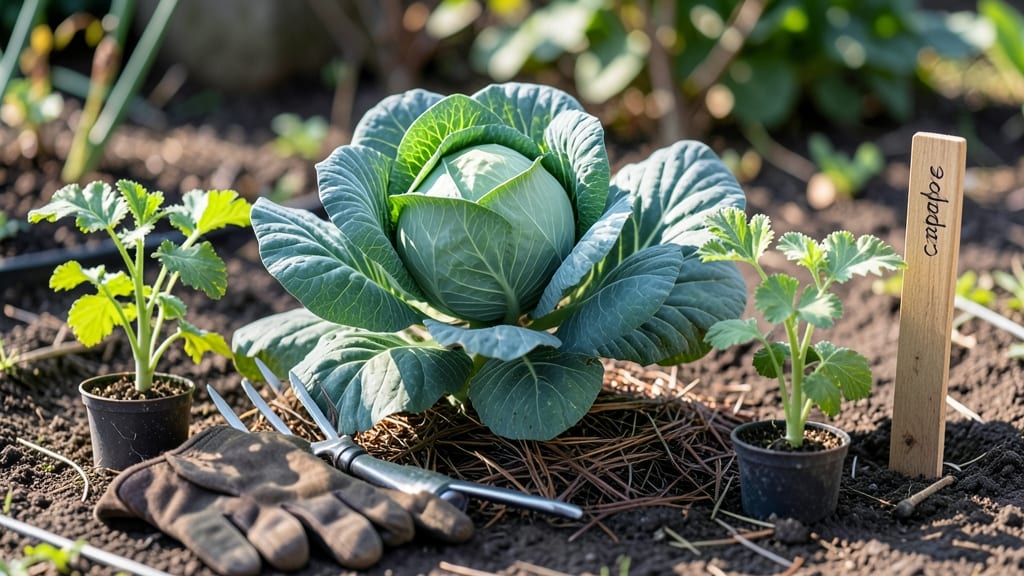
Planting cabbage in Georgia at the wrong time can mean the difference between a bountiful harvest and a sad, wilted disappointment. With Georgia’s 7b-8b climate, timing your 🥬 seeds just right—whether in early spring or late summer—isn’t just helpful, it’s essential for avoiding heat stress or frost damage.
Most gardeners in Georgia focus on February-March for spring plantings, but did you know late summer (August-September) offers a second chance? The key is understanding your variety’s maturity time and aligning it with Georgia’s 210-day frost-free window.
Skip this step, and you might end up with bitter-tasting heads or plants that bolt before harvest.
In this guide, I’ll break down the exact planting windows for Georgia’s most popular cabbage varieties, including how to adjust for North vs. South Georgia’s microclimates.
You’ll also learn how to extend your growing season with simple tricks like row covers and succession planting—so you can enjoy fresh 🥬 well into fall.
Ready to grow cabbage that’s crisp, flavorful, and ready at the perfect time? Let’s dive into the frost-free schedule that works for Georgia’s unique growing conditions.
Georgia cabbage planting timeline by variety type (early, mid, late season)
Georgia’s USDA zones 7b-8b offer two prime windows for planting cabbage: early spring and late summer. The last frost date (mid-March) and first frost date (mid-November) create a 210-day frost-free season, perfect for two harvests. But timing varies by variety type—early, midseason, or late.
For spring harvests, plant 4-6 weeks before your last frost date (typically February-March). For fall harvests, plant 10-12 weeks before the first frost (usually August-September). The key? Matching your cabbage variety to Georgia’s heat and humidity patterns.
Here’s how to align your planting with Georgia’s climate zones and cabbage maturity—because a Golden Acre (50 days) needs different timing than a Savoy King (80 days).
| Variety Type | Days to Maturity | Spring Planting Window (North GA) | Spring Planting Window (South GA) | Fall Planting Window (North GA) | Fall Planting Window (South GA) |
|---|---|---|---|---|---|
| Early Season (e.g., Golden Acre, Early Jersey Wakefield) | 50-60 days | Late January - Early February | Early February - Mid-February | Late July - Early August | Mid-August - Late August |
| Midseason (e.g., Savoy King, Red Express) | 60-75 days | Early February - Mid-February | Mid-February - Early March | Early August - Mid-August | Late August - Early September |
| Late Season (e.g., Late Flat Dutch, January King) | 75-100 days | Mid-February - Early March | Early March - Mid-March | Mid-August - Late August | Early September - Mid-September |
Notice how North Georgia’s cooler microclimates allow earlier spring planting? In Zone 7b (e.g., Blue Ridge Mountains), you can start seeds indoors in January for transplanting by February. Meanwhile, South Georgia’s Zone 8b (e.g., Savannah) can direct-sow until late March without frost risk.
For fall harvests, the opposite rule applies: South Georgia gets a longer window. Plant heat-tolerant varieties like Red Express in August to avoid bolting from 90°F+ temperatures. In North Georgia, aim for late July to ensure heads mature before frost.
Pro tip: Use row covers to extend your fall planting window by 2-3 weeks. This protects young plants from late-summer heat and early-fall pests like cabbage loopers. Just remove covers during the day to prevent overheating.
One common mistake? Skipping succession planting. Instead of one big batch, plant every 2-3 weeks to stagger harvests. For example, if you plant Golden Acre on February 1st, 15th, and March 1st, you’ll have cabbage ready from March 31st through May 15th.
Georgia’s humidity also demands well-draining soil. Amend your beds with compost to prevent rot and improve nutrient uptake. Aim for a pH of 6.5-7.0—test your soil in fall to adjust before spring planting.
Remember: Cabbage hates heat. If summer temperatures exceed 85°F for more than a week, heads will bolt (flower prematurely). That’s why fall planting is your safest bet for Georgia’s humid summers.
How to extend Georgia’s cabbage growing season with succession planting
Georgia’s 210-day frost-free window gives us a rare advantage—we can grow cabbage in both spring and fall. But without succession planting, you’ll miss out on a second harvest. The trick is staggering plantings every 2-3 weeks to keep fresh 🥬 coming from late spring through fall.
Start your first batch in early February for a spring harvest, then follow up with late July-August plantings for fall. This method ensures you’re never left without homegrown cabbage when grocery store prices spike in October.
For fall harvests, focus on mid-season varieties like Golden Acre or Savoy King, which mature in 70-80 days. Plant them in late summer so they’ll be ready by October-November before frost hits.
📅 Succession Planting Schedule for Georgia Cabbage
- Early February: First planting for spring harvest (60-70 days to maturity).
- Mid-March: Second batch for late spring harvest (avoid planting after mid-April to prevent bolting).
- Late July: First fall planting (80-90 days to maturity).
- Early August: Second fall planting (for October harvest).
- Mid-August: Third fall planting (for November harvest, if frost arrives late).
Don’t forget to use row covers in late fall to protect tender plants from light frosts (28-32°F). These lightweight fabrics add 4-6°F of warmth and can extend your harvest by 2-3 weeks.
For summer plantings, choose heat-tolerant varieties like Red Express or Cavalo. These hold up better in Georgia’s 90°F+ temperatures and still produce sweet, crisp heads.
Pro tip: Keep a planting journal to track which varieties perform best in your microclimate. Some years, a late August planting might bolt early—adjust your schedule based on real data from your garden.