Plants
If you’ve ever planted 🥕 carrots in Florida only to watch them bolt into bitter, stringy messes by summer, you’re not alone. The key to sweet, crisp roots lies in timing—specifically, when you plant them to dodge the heat and maximize your harvest.
Florida’s fall season (September through March) is your golden window for carrot planting, but not all months are equal. Plant too early, and you risk summer heat stress; too late, and you might miss the ideal soil temperatures of 55-75°F that carrots crave.
I’ll break down the exact start dates for North, Central, and South Florida—plus how to prep your soil for zero bolting.
Whether you’re a seasoned gardener or just starting, this guide will help you avoid common mistakes like overcrowding seeds or skipping mulch. You’ll learn how to stretch your harvest from November through May by adjusting your planting schedule, even in Florida’s frost-free climate.
Ready to grow carrots that are actually worth eating? Let’s dive into the perfect timing and tricks to keep your patch thriving all winter long.
Florida carrot planting calendar: best fall dates by region
Florida’s fall planting window is your golden ticket to growing sweet, crisp carrots without the bitter, woody failures that plague summer attempts. The key? Starting seeds when soil temps drop below 80°F and stay between 55-75°F—this prevents bolting (premature flowering) and ensures steady growth.
Here’s your region-specific timeline to nail the perfect harvest from November to May.
North Florida’s cooler microclimate lets you plant earlier than Central or South Florida. In Jacksonville or Gainesville, kick off your first sowing around mid-August to early September for a fall harvest.
This gives roots time to mature before winter’s mild chill sets in. For Central Florida (Orlando, Tampa), wait until late August to mid-September—soil stays warm longer, and early plantings risk bolting.
South Florida’s hotter, longer growing season means you can stretch plantings later. In Miami or Fort Lauderdale, aim for early to mid-September for your first batch, but don’t stop there.
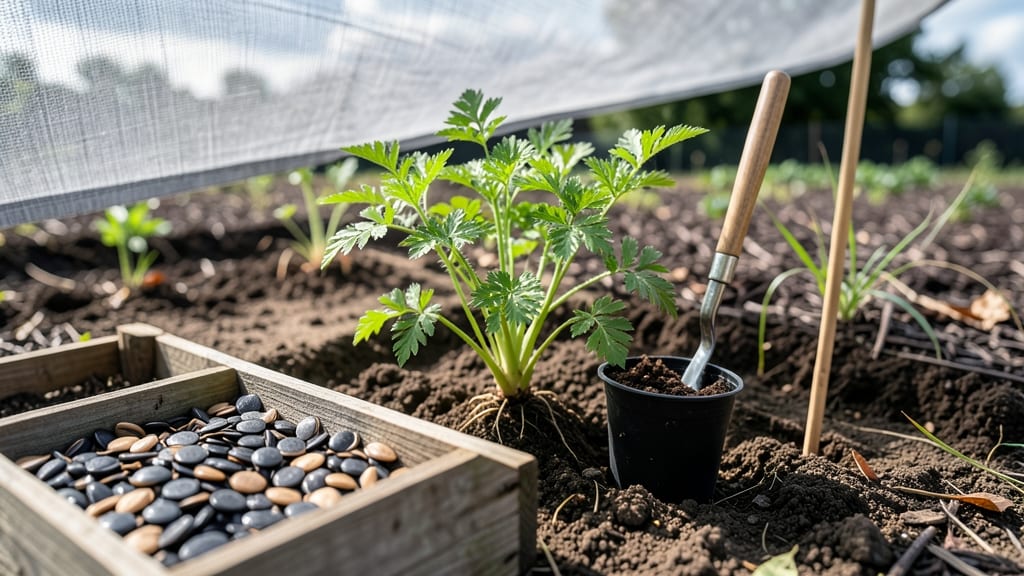
Successive plantings every 2-3 weeks through October will give you a staggered harvest straight into spring. The trick? Use shade cloth in September to cool soil and prevent seedling stress.
Here’s your region-by-region planting schedule to avoid bolting and maximize yield:
| Region | First Planting Window | Soil Temp Goal | Successive Plantings | Harvest Window |
|---|---|---|---|---|
| North Florida (Jacksonville, Gainesville) | Mid-August to early September | 55–75°F | Every 2 weeks until October | November – April |
| Central Florida (Orlando, Tampa) | Late August to mid-September | 60–75°F | Every 2–3 weeks until November | December – May |
| South Florida (Miami, Fort Lauderdale) | Early to mid-September | 65–78°F | Every 3 weeks until December | January – June |
For a continuous harvest, don’t limit yourself to one planting. In North Florida, add a winter crop in December for spring harvests, while Central and South Florida can push plantings into early November.
Just remember: avoid planting after November 15 in North Florida—roots may bolt before maturing due to shorter winter days.
Pro tip: Use a soil thermometer to confirm temps are below 80°F before sowing. If your soil runs hotter, try late-afternoon shade or a light mulch (straw or grass clippings) to cool it down. This small step can mean the difference between sweet, crisp carrots and tough, fibrous failures.
Once your seeds hit the ground, maintain consistent moisture—carrots hate drying out. Water deeply every 2–3 days (or daily in extreme heat) to keep soil evenly damp. A drip irrigation system or soaker hose works best, as it delivers water right at the roots without disturbing seedlings.
By locking in these region-specific dates and soil prep tips, you’ll sidestep Florida’s biggest carrot-growing pitfalls. Next up: how to prevent bolting with the right varieties and spacing—because even the perfect timing won’t save you from a heat-induced flower spike! 🥕
Florida carrot planting calendar: best fall dates by region
Timing is everything when growing carrots in Florida, where summer heat triggers bolting—the dreaded premature flowering that turns sweet roots into bitter sticks. The key is planting when soil temperatures dip below 80°F but stay above 55°F for optimal germination and growth.
Florida’s climate varies dramatically from North to South, so I’ve broken down the ideal planting windows for each region. North Florida’s cooler winters allow earlier starts, while South Florida’s mild winters extend the season into early spring.
🌱 Comparison Table: Florida Carrot Planting Windows by Region
| Region | Best Planting Window | Soil Temp Range | Harvest Window |
|---|---|---|---|
| North Florida (Panhandle) | Mid-August - Mid-October | 55-75°F | October - April |
| Central Florida (Orlando, Tampa) | Late August - Late September | 60-75°F | November - May |
| South Florida (Miami, Key West) | September - Early November | 65-78°F | November - June |
For a continuous harvest, I recommend making two plantings: one in early fall (late August to September) and another in late fall (October to November). This staggered approach ensures you’re always enjoying fresh carrots without gaps.
In North Florida, where rare frosts can occur around December 15, use row covers to protect young plants. Meanwhile, South Florida gardeners can push the season into early spring, but avoid planting after February when heat stress returns.
Pro tip: Check your local cooperative extension service for microclimate adjustments. For example, Gainesville might align with North Florida’s schedule, while Fort Myers follows South Florida’s extended window.
Remember, carrot seeds germinate best at 60-70°F, so if your soil is warmer, wait for cooler evenings or use shade cloth to slow soil warming.