
Plants
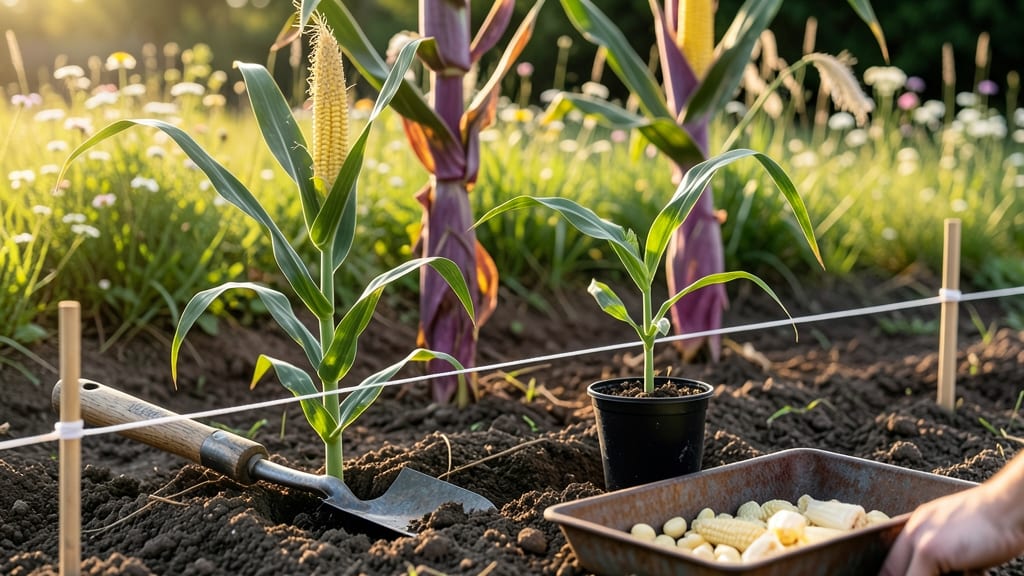
Planting corn in Arkansas isn’t just about the calendar—it’s about mastering your microclimate. Whether you’re in the steamy Delta or the cooler Ozark highlands, getting the timing wrong can mean bolting, stunted growth, or even losing your crop entirely. The key? Understanding your specific zone’s frost dates, soil warmth, and humidity patterns.
Most Arkansas gardeners aim for mid-April to early June, but that window shifts depending on whether you’re in USDA zone 7a or the warmer 8b areas. Too early, and cold soil stalls germination; too late, and summer heat triggers premature bolting.
I’ll break down the exact signals to watch for—soil temperature, last frost dates, and even moon phases (yes, they matter!).
What you’ll discover here is how to align your planting schedule with Arkansas’ three distinct growing regions, plus proven tricks to prevent bolting, like adjusting irrigation and choosing the right varieties. No more guessing—just data-driven timing for maximum yield and fewer headaches.
Ready to grow corn that thrives? Let’s dive into the step-by-step timeline that’s worked for Arkansas farmers for decades—adapted for your backyard or small plot.
Arkansas corn planting zones: when to plant by region (Delta vs. Ozarks vs. River Valleys)
Arkansas’ three distinct microclimates—the humid Delta, the cooler Ozarks, and the moderate River Valleys—each demand unique corn planting strategies. Planting too early in the Delta risks heat stress, while the Ozarks’ late springs can delay germination if you wait too long.
Let’s break down the optimal planting windows for each region to maximize your yield and avoid bolting.
Your last frost date is your first clue, but soil temperature matters more. Corn seeds need soil temps of at least 60°F to germinate properly. In Arkansas, this typically aligns with mid-April to early June, but regional variations shift that window by 2-4 weeks.
Let’s dive into the specifics for each zone to ensure you’re planting at the perfect time.
🌽 Arkansas Corn Planting Zones Comparison
The Delta’s warmer climate lets you plant corn 2-3 weeks earlier than the Ozarks, but this zone’s high humidity and sudden heat spikes increase the risk of bolting—when corn prematurely flowers and produces inedible ears.
To mitigate this, choose heat-tolerant varieties like Silver Queen or Peaches and Cream, and plant in early April when soil temps are ideal.
In the Ozarks, cooler nights and later springs mean you’ll want to wait until late April or early May to plant. This region’s shorter growing season (only about 180 frost-free days) demands faster-maturing varieties like Bodacious or Ambrosia.
Planting too early risks frost damage, while waiting too long may result in smaller ears due to limited time for maturation.
The River Valleys offer a goldilocks zone for corn planting, with stable temperatures and lower humidity than the Delta. Here, you can start as early as late March, giving you a longer harvest window and more flexibility to experiment with both sweet and field corn varieties.
Just ensure your soil is well-draining to avoid waterlogged roots, which thrive in this region’s occasional heavy rains.
Regardless of your Arkansas location, always test your soil pH (aim for 6.0-6.8) and amend with compost before planting. The University of Arkansas Cooperative Extension Service offers free soil tests—take advantage of this resource to fine-tune your planting strategy.
Their local expertise can help you adjust for microclimates within your county, ensuring your corn thrives from seed to harvest.
Pro tip: Use a soil thermometer to confirm temps before planting. If your soil is below 60°F, wait another week—cold soil delays germination and can lead to uneven stands. Patience here pays off with stronger, healthier plants ready to face Arkansas’ summer heat.
🌱 For gardeners in transitional zones (like the Arkansas River Valley), consider succession planting: start with early varieties in late March and follow up with heat-tolerant types in early May to extend your harvest season.
Step-by-step corn planting timeline for Arkansas: from soil prep to germination
Now that you know the ideal planting windows for your Arkansas region, let’s break down the month-by-month timeline to ensure your corn thrives from seed to harvest. Arkansas’ humidity and heat demand precise timing for soil prep, planting depth, and irrigation—skipping steps can lead to rot, poor germination, or bolting.
Start by testing your soil pH (6.0-6.8) and amending with compost or aged manure. Corn is a heavy feeder, so enriching the soil before planting is non-negotiable. Use a soil thermometer to confirm temperatures hit 60°F+ at 4-inch depth—this is your green light to plant.
🌱 Step-by-Step Corn Planting Timeline
- April (Delta/Ozarks) or May (River Valleys): Soil Prep – Till in compost, remove weeds, and rake beds smooth. Plant seeds 1 inch deep, 6-12 inches apart in rows 30-36 inches apart.
- April-May: Germination – Keep soil consistently moist (not soggy). Germination takes 7-14 days at optimal temps. Thin seedlings to 10-12 inches apart once they’re 4-6 inches tall.
- May-June: Vegetative Growth – Side-dress with nitrogen fertilizer when plants reach knee height. Water deeply at soil level (avoid wetting foliage).
- July-August: Tasseling & Ear Development – Increase water to 1-2 inches per week. Watch for silking (white strands emerging)—this is when pollination happens!
- August-September: Harvest – Pick ears when silks turn brown and kernels are milky when pierced. Harvest in morning for peak freshness.
Pro tip: Use black plastic mulch in the Delta to warm soil faster and suppress weeds. In the Ozarks, stagger plantings every 2 weeks to extend your harvest window—Arkansas’ short growing season won’t wait!
Watch for cutworms in early stages and corn earworms later. Handpick or use row covers for young plants. Arkansas’ summer heat can stress corn, so mulch heavily to retain moisture and regulate soil temps.
Remember: Consistency is key. Corn hates fluctuating moisture—stick to your watering schedule, and you’ll avoid poor ear fill or stunted growth. With this timeline, you’re set for a bountiful harvest from July through October!