
Plants
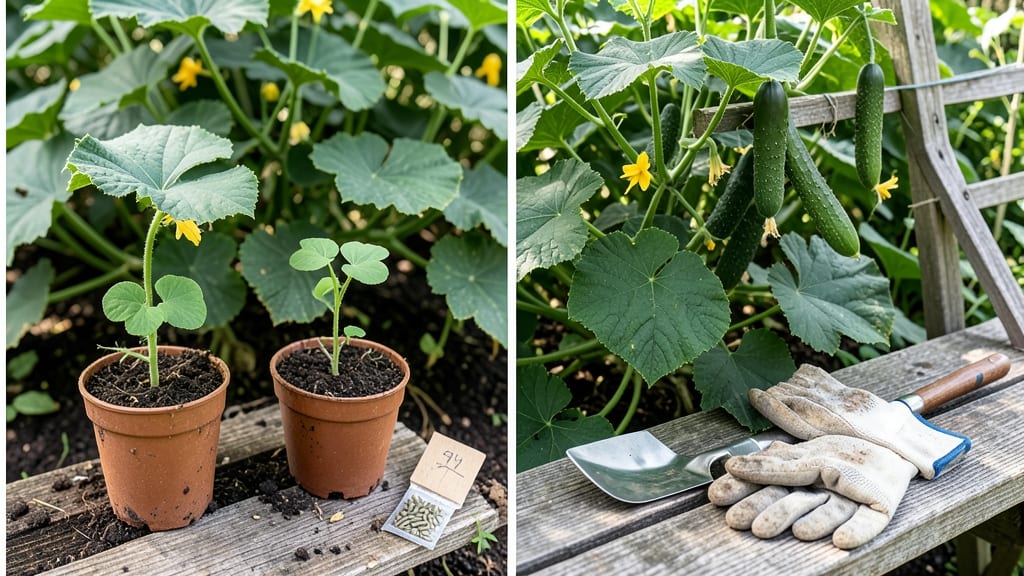
Planting cucumbers in Florida at the wrong time can turn your garden dreams into bitter, bolted disappointment—because timing here isn’t just about avoiding frost (which is rare), but mastering the heat.
The 3-month window I’m about to reveal is your secret weapon for crisp, productive vines that keep bearing all summer long.
Think you can just toss seeds in the ground whenever? Not in Florida’s unpredictable microclimates. From the humid north to the steamy south, your cucumbers 🥒 need precise conditions to thrive—warm soil, consistent moisture, and just the right temperature to prevent that dreaded bolting.
Let’s cut through the guesswork and get you planting like a pro.
Whether you’re a first-time gardener or a seasoned grower, knowing when to start seeds (or transplant seedlings) makes all the difference. I’ll show you exactly which months work best in your part of the state—and how to stretch your harvest from spring straight through fall without gaps.
Ready to grow cucumbers that actually produce? Let’s dive into the science-backed schedule that’ll have your vines climbing and your kitchen stocked with fresh, homegrown 🥒 all season.
Florida’s 3 best planting months for cucumber success (and why timing matters)
Cucumbers thrive in Florida’s warm climate, but planting at the wrong time can turn your vines into bitter, bolted disappointment. The key is soil temperature—cucumbers need soil at 70°F+ to germinate and grow. Here’s my proven schedule for three ideal planting windows that align with Florida’s microclimates.
North Florida (Zones 8a-8b) has cooler winters, while South Florida (Zones 10a-11) can grow year-round. Central Florida (Zone 9a) falls in between. I’ll break down each region’s best months and how to adjust for frost risks or heat stress.
For all regions, avoid planting in June—this is Florida’s hottest month, and seedlings will struggle to establish before bolting. Instead, focus on February, July, and September for consistent success.
| Region | Best Planting Months | Soil Temp Requirement | Key Considerations |
|---|---|---|---|
| North Florida (Zones 8a-8b) | February-March, July-August, September | 70°F+ (use row covers for early Feb) | Frost risk until mid-March; mulch heavily in summer |
| Central Florida (Zone 9a) | February, July, September-October | 75°F+ (wait for consistent warmth) | Avoid June heat; use shade cloth if needed |
| South Florida (Zones 10a-11) | Year-round (peak: Feb, Sep) | 70°F+ (always warm) | Watch for hurricane season; harvest quickly in summer |
In North Florida, I always plant my first batch in late February after the last frost date (typically February 15). Use black plastic mulch to warm soil faster and floating row covers to protect seedlings from unpredictable cold snaps.
For Central Florida, my go-to months are February, July, and September. July planting requires afternoon shade to prevent heat stress. I’ve found that drip irrigation at the base of plants keeps foliage cooler during peak summer heat.
South Florida gardeners have the luxury of year-round planting, but I recommend focusing on February and September for best results. During summer months, cucumbers grow 30% faster but may bolt prematurely.
To combat this, I use heat-tolerant varieties like ‘Straight Eight’ and harvest every 2-3 days to encourage continuous production.
Regardless of region, always test soil temperature with a thermometer before planting. Cucumbers won’t germinate below 60°F, and growth slows dramatically below 70°F. In my experience, waiting for consistent 75°F+ soil temps gives the best start.
Pro tip: Plant every 2 weeks within each window to ensure a continuous harvest. This staggered approach prevents overwhelming your vines and extends your season by 4-6 weeks compared to single planting.
Remember, Florida’s humidity and heat can cause cucumbers to grow too quickly, leading to bitter fruit. The key is balanced growing conditions—warm soil, consistent moisture, and partial afternoon shade in summer.
Florida’s 3 best planting months for cucumber success (and why timing matters)
Florida’s three distinct planting windows for cucumbers align with its microclimates and heat tolerance. The optimal months—February, July, and September—minimize bolt risk and maximize fruit production. Each window targets a different seasonal challenge, from early frost to summer heat.
North Florida gardeners should start 2-3 weeks earlier than Central or South Florida due to cooler temperatures. For example, Jacksonville’s last frost date is around March 15, while Miami rarely sees frost, allowing year-round planting with heat-tolerant varieties.
| Planting Month | Best For | Soil Temp | Key Tip |
|---|---|---|---|
| February | Spring harvest | 65°F+ | Use row covers if frost risk |
| July | Summer heat escape | 75°F+ | Choose heat-resistant varieties |
| September | Fall harvest | 70°F+ | Avoid overwatering as temps drop |
February planting targets spring harvests before summer heat peaks. Wait until soil warms to 65°F—test with a soil thermometer—to prevent cold stress. Use black plastic mulch to speed up warming and deter weeds.
July’s 90°F+ days demand shade cloth for seedlings and drip irrigation to keep roots cool. Varieties like ‘Straight Eight’ thrive here, producing long, productive vines despite the heat.
September planting extends harvests into fall’s cooler months. Space seeds 12 inches apart to improve airflow and reduce disease risk. Monitor for early bolting—if leaves yellow, increase water consistency immediately.
For North Florida, add 1-2 weeks to these windows. In South Florida, you can plant year-round but prioritize July-September for best yields.