
Plants
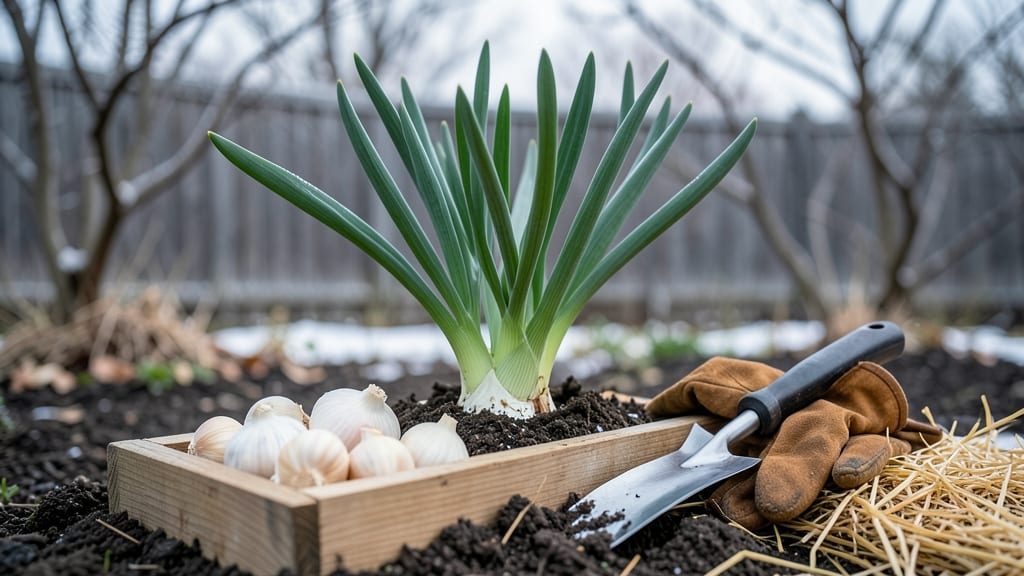
Planting garlic in Minnesota isn’t just about timing—it’s about mastering the fall window when the soil cools and the days grow shorter. If you’ve ever struggled with bolting or weak bulbs, the key lies in understanding your USDA 3-5 zone’s frost patterns and hardneck varieties’ dormancy needs.
This year, your garlic could thrive if you plant between mid-October and early November, but getting it wrong means wasted effort.
Why does this matter? Because Minnesota’s unpredictable winters demand precision. Too early, and your garlic may sprout before winter sets in; too late, and the cold will stunt growth.
I’ll walk you through the exact dates for your region—whether you’re in the Twin Cities or northern Minnesota—so you can align your planting with nature’s clock. No more guesswork, just reliable harvests.
Hardneck garlic, the variety that excels in our climate, needs 4-6 weeks of chilling before the ground freezes solid. That’s your sweet spot: a window where the soil stays workable but the air turns crisp.
We’ll cover how to prep your soil, choose the right varieties, and protect your crop from early frosts—so you’re ready when the first frost arrives in mid-October.
By the end, you’ll know not just when to plant, but how to set your garlic up for success. Whether you’re a seasoned gardener or a beginner, these insights will help you grow plump, flavorful bulbs ready for harvest by late June.
Let’s get your Minnesota garden on track for a bumper crop.
Best fall planting dates for garlic in Minnesota’s climate zones
Minnesota’s cold winters and short growing seasons make fall planting the only viable option for hardneck garlic. Unlike southern states, spring planting rarely works here—garlic needs 60-80 days of cold to form bulbs.
Aim for mid-October to early November, when soil temps drop below 40°F but before hard frost (mid-November in most zones).
Your USDA zone dictates exact timing. Northern MN (Zone 3-4) has earlier frost dates than the Twin Cities (Zone 4b-5a). For example, Duluth should plant by October 15, while Minneapolis can stretch to November 1. Soil thermometers are your best friend—plant when temps hit 40-50°F at 4-inch depth.
Hardneck garlic requires vernalization (cold exposure) to bulb properly. If you miss the fall window, spring planting is possible but high-risk—bulbs may bolt or produce weak cloves. For reliable results, stick to fall and plan ahead for soil prep and mulching.
Minnesota’s microclimates add complexity. Urban areas like Minneapolis may experience 5-10°F warmer soil temps than rural zones due to heat islands. If you’re in doubt, plant 2-3 weeks earlier than the zone average. For example, Zone 4b gardeners should start by October 20 to account for variability.
Timing isn’t just about frost—it’s about soil moisture and clove dormancy. Plant too early (September) and cloves may sprout before winter. Plant too late (December) and bulbs won’t mature. The 6-week window before hard frost is critical for root establishment and cold vernalization.
For northern Minnesota (Zones 3-4), prioritize early-maturing varieties like ‘Music’ or ‘German White’. These need only 110-120 days to harvest, fitting MN’s short season.
Southern MN (Zone 5a) can handle slightly later varieties like ‘Chesnok Red’, which stores better but needs 130 days.
Don’t rely on calendar dates alone—watch for these signs: soil temps below 50°F, daylight shortening, and first frost warnings. Use a garden journal to track local patterns over years.
In my Zone 4b garden, I’ve found that October 28 is the sweet spot, but I adjust yearly based on weather forecasts.
If you’re new to garlic growing, start small—plant a 10-plant test bed in early October. This lets you experiment with timing without risking your entire crop. Label varieties and note which perform best in your microclimate. Over time, you’ll refine your localized planting calendar.
Remember: Hardneck garlic is perennial in MN, but bulbs won’t mature without proper fall planting. Each year’s crop depends on last fall’s timing. Treat it like planting seeds for next summer’s harvest—precision pays off!
Best fall planting dates for garlic in Minnesota’s climate zones
Minnesota’s USDA zones 3-5 create unique challenges for garlic growers. Unlike warmer climates, hardneck garlic thrives in our cold winters—but only if planted at the right time. The ideal window is mid-October to early November, when soil temps drop to 40-50°F and frost is imminent.
This timing ensures bulbs establish roots before dormancy sets in.
Why timing matters: Garlic needs 4-6 weeks of cool soil before freezing to develop strong roots. Plant too early, and cloves may sprout prematurely; too late, and they won’t root before winter. Minnesota’s first hard frost (usually mid-October) signals the start of your planting clock.
Here’s how to adjust for Minnesota’s microclimates. Northern regions (zones 3-4) like Duluth or Brainerd should plant 3-4 weeks earlier (late September) to beat early frosts, while the Twin Cities (zone 4b) can wait until early October. Southern Minnesota (zone 5) has more flexibility until mid-November.
| USDA Zone | Region Examples | Optimal Planting Window | Soil Temp Goal | Key Adjustment |
|---|---|---|---|---|
| Zone 3 | Duluth, International Falls | Late September | 40-45°F | Plant 3 weeks before first frost |
| Zone 4a | Minneapolis, St. Cloud | Early October | 45-50°F | Aim for 4-6 weeks before ground freeze |
| Zone 4b | Rochester, Mankato | Mid-October | 50-55°F | Wait until soil cools after summer heat |
| Zone 5 | Winona, Albert Lea | Early November | 50-55°F | Extend window to early November if mild |
Use a soil thermometer to verify temps—50°F is ideal for root establishment. If your soil stays warm past mid-October, delay planting until temps drop naturally. This prevents cloves from sprouting too soon, which weakens winter survival.
Pro tip: Mark your calendar for 6 weeks before your area’s average first frost date. For most of Minnesota, that’s early October. Set a reminder to test soil moisture—garlic needs consistent moisture after planting but hates soggy soil.
Aim for 1 inch of water per week until the ground freezes.
Missed the fall window? Don’t panic—spring planting (March-April) is possible, though yields may be smaller. Hardneck garlic planted in spring still benefits from Minnesota’s cold winters, but bulbs won’t mature as fully. Prioritize fall for the best results!