
Plants
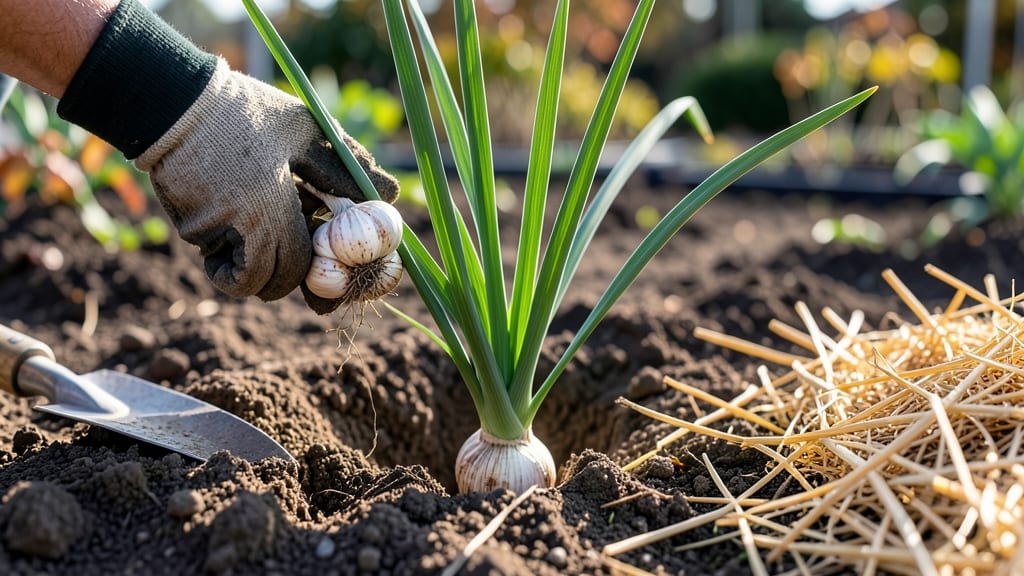
Timing your fall garlic planting correctly could mean the difference between a robust harvest next summer and wasted effort. The key lies in planting 4-6 weeks before the ground freezes, but that window shifts dramatically depending on your USDA zone—miss it, and your 🧄 might not survive the winter.
For gardeners in Zone 6a, that typically means getting cloves in the soil between mid-October and early November. Too early, and they’ll rot; too late, and they won’t establish the roots needed to thrive through winter.
The secret? Understanding your local frost dates and soil conditions to lock in that perfect planting window.
I’ll walk you through exactly when to plant in your specific zone, plus the critical steps to prepare your soil and choose the right varieties. Whether you’re a first-time grower or a seasoned gardener, these insights will help you avoid common mistakes and set yourself up for a bountiful harvest.
Ready to transform your fall gardening? Let’s dive into the month-by-month schedule that’ll have your garlic thriving come summer—no guesswork required.
Fall garlic planting calendar by USDA zone (with exact months)
Timing is everything when planting garlic in the fall—too early and your cloves may rot, too late and they won’t establish strong roots before winter. The ideal planting window is 4-6 weeks before your first hard frost, but this translates to different months depending on your USDA zone.
For example, gardeners in Zone 3 should plant in mid-September, while those in Zone 10 can wait until mid-November.
Hardneck varieties (like Rocky Mountain or Music) thrive in cooler climates and are best planted in Zones 3-7, while softneck varieties (such as Silverskin) do well in milder Zones 8-10.
Let’s break down the exact months for each zone to help you plan your garlic harvest for next summer.
🌱
In Zones 3-4, where winters are harsh, aim to plant garlic by early October to give roots time to establish before the ground freezes. Soil temperatures should ideally be between 40–50°F—use a soil thermometer to check if you’re unsure.
In warmer Zones 9-10, you can plant as late as mid-November, but avoid planting when soil temps exceed 65°F, as this can trigger premature sprouting.
If you’re in a transition zone (e.g., Zone 7b), err on the earlier side—late September is safer than waiting until October. Always check your average first frost date (find it via the USDA Plant Hardiness Zone Map) and count backward 6 weeks to determine your ideal planting window.
For Pacific Northwest gardeners (Zones 7-9), consider planting in early October to avoid wet, heavy soils that can lead to rot. In contrast, Deep South gardeners (Zones 8-10) can push planting to November, but use row covers if early frosts are forecasted.
Pro tip: If you miss the ideal window, you can still plant garlic in early spring, but bulbs will be smaller and may not store as well. Fall-planted garlic always yields the largest, most flavorful bulbs.
🌿
Once you’ve nailed down the month, focus on soil preparation. Garlic thrives in well-draining soil with a pH of 6.0–7.0. Work in compost or aged manure 2–4 weeks before planting to improve fertility.
Avoid fresh manure, as it can burn cloves. After planting, apply a 2–3 inch layer of mulch (straw or leaves work well) to insulate roots and retain moisture.
🪴
Critical factors that determine your perfect planting window
Your fall garlic planting success hinges on three key factors: soil temperature, frost dates, and the type of garlic variety you choose. Miss any of these, and your 🧄 might struggle to establish roots before winter sets in. Let’s break down what to watch for in your garden.
First, soil temperature must consistently stay between 40–50°F at planting time. This range signals your garlic cloves that it’s time to sprout. Use a soil thermometer to check—if temps are still above 50°F, wait a week or two.
Cold soil speeds up root growth, which is exactly what you want before winter dormancy.
Next, frost dates dictate your planting window. Aim to plant 4–6 weeks before the first hard frost in your area. For example, in Zone 6a, that’s typically mid-October to early November.
Check your local USDA frost chart or ask your cooperative extension service for precise dates. Planting too late means roots won’t mature before freezing.
🌱 Key Takeaways for Perfect Timing
- Soil Temp: 40–50°F at planting (use a thermometer)
- Frost Window: 4–6 weeks before first hard frost
- Variety Matters: Hardneck thrives in cold climates; softneck needs milder winters
- Signs to Watch: Soil should feel cool but not frozen; cloves should sprout in 2–3 weeks
Don’t overlook your garlic variety. Hardneck garlic (like ‘Music’ or ‘German Red’) handles cold winters and even produces scape shoots in spring. It’s ideal for Zones 3–7.
In contrast, softneck garlic (like ‘Artichoke’ or ‘Silverskin’) prefers milder winters and stores longer, making it better for Zones 8–10.
Pro tip: If you’re in a warmer zone (8–10), plant softneck varieties in late fall or early winter (December–January) to avoid summer heat stress. In colder zones, hardneck varieties planted in October will overwinter beautifully and yield robust bulbs.
Finally, test your soil readiness with this quick