Plants
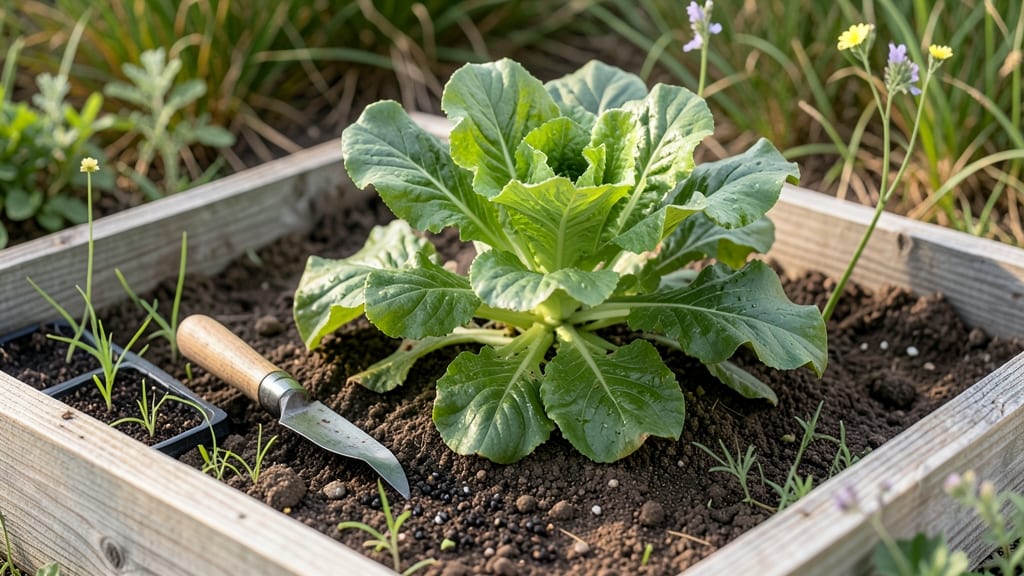
Timing your lettuce planting in Georgia can mean the difference between crisp, sweet greens and bitter, bolted disappointment.
With USDA zones 7b-8a offering a long growing window, most gardeners focus on spring and fall—but even here, getting it wrong means watching your 🥬 turn into tough stalks before you can harvest.
Let’s cut through the guesswork. Plant too early, and a late frost will wipe out your seedlings. Wait too long, and summer’s relentless heat sends your lettuce racing toward bolting—flowering before you’ve even tasted those first leaves.
The key? Strategic planting in February-April and August-September, paired with the right heat-tolerant varieties.
What you’ll discover here isn’t just when to plant—it’s how to extend your harvest by up to 6 months using shade cloth, mulch, and smart watering.
Whether you’re a first-time gardener or a seasoned pro, these Georgia-specific tips will help you grow lettuce that’s crisp, abundant, and ready to harvest from spring through fall.
Ready to avoid the common mistakes that ruin lettuce crops? Let’s dive into the exact planting schedule, frost dates, and variety choices that work for Georgia’s climate—so you can enjoy homegrown greens without the frustration.
Georgia’s ideal lettuce planting windows by month & variety
Georgia’s mild winters and long growing season let you grow lettuce year-round—but timing matters. The last spring frost typically hits mid-March in most regions, while the first fall frost arrives around late November. For the best results, focus on spring and fall plantings to avoid summer’s scorching heat.
In spring, start seeds indoors 4-6 weeks before your last frost date (around February for most gardeners). Transplant seedlings outdoors in March once soil temperatures reach 40°F. For fall harvests, sow seeds in August-September to mature before winter sets in.
Georgia’s USDA Zones 7b-8a offer flexibility, but heat-tolerant varieties are key. Romaine and Buttercrunch handle summer’s heat better than delicate leaf lettuce. Always check your local frost dates—they vary by county!
Here’s your month-by-month planting guide for Georgia lettuce success:
| Season | Planting Window | Varieties | Key Tips |
|---|---|---|---|
| Spring | Feb-Apr | Romaine, Butterhead, Bibb | Start indoors in Feb; transplant after last frost (March). Use shade cloth if temps exceed 80°F. |
| Summer | Aug-Sept | Oakleaf, Black Seeded Simpson | Plant late summer for fall harvests. Mulch to retain moisture and prevent bolting. |
| Fall | Sept-Oct | Winter Density, Lollo Rossa | Sow seeds 6-8 weeks before first frost. Protect with row covers if frost threatens. |
| Winter | Nov-Jan (protected) | Winter Density, Green Forest | Grow under cold frames or row covers. Harvest before new growth in spring. |
For continuous harvests, practice succession planting. Sow new seeds every 2-3 weeks in spring and fall to ensure fresh lettuce all season. In summer, focus on shade-loving varieties like Oakleaf to avoid bolting.
Always test your soil—Georgia’s clay-heavy soils benefit from compost and organic matter to improve drainage. Aim for a pH of 6.0-7.0 for optimal growth. Mulch with straw to keep roots cool and retain moisture.
Pro tip: Use drip irrigation to deliver water directly to roots, reducing leaf stress. Avoid overhead watering—it spreads disease and encourages slugs. With the right timing and care, you’ll enjoy crisp, homegrown lettuce from spring to fall!
🌱
Georgia’s ideal lettuce planting windows by month & variety
Timing your lettuce planting in Georgia is all about avoiding the two biggest enemies: late frosts and summer heat. The state’s USDA Zones 7b-8a give you two prime windows—spring and fall—when conditions are just right for crisp, flavorful lettuce.
Start too early, and frost will blacken your leaves; wait too long, and your lettuce will bolt into bitter, flowery stalks.
For spring planting, aim for February through April, with the last frost typically hitting mid-March. This gives you 8-10 weeks of cool weather before summer’s intensity kicks in.
In fall, your window is August through September, allowing harvests before the first frost in late November. Succession planting every 2-3 weeks ensures a steady supply of fresh greens.
Georgia’s three distinct climate zones—Coastal Plain, Piedmont, and Mountains—can shift frost dates by 1-2 weeks. Coastal areas like Savannah may see earlier last frosts, while higher elevations like Blue Ridge might delay planting until late March.
Always check your local frost-free date for precision.
🥬 Georgia Lettuce Planting Guide by Season
| Season | Planting Months | Ideal Varieties | Key Tips |
|---|---|---|---|
| Spring | Feb-Apr | Buttercrunch, Romaine, Oakleaf | Plant 4-6 weeks before last frost; use shade cloth if temps rise above 80°F. |
| Fall | Aug-Sep | Black Seeded Simpson, Winter Density | Avoid planting after Sept 15; mulch to retain soil moisture. |
| Summer (Risky) | Jun-Jul | Jericho, Parris Island Cos | Only for heat-tolerant types; provide afternoon shade and daily watering. |
If you’re succession planting for continuous harvests, start your first batch in February and follow up every 2-3 weeks until mid-April. For fall, begin in early August and repeat until mid-September. This staggered approach ensures you’re always harvesting fresh lettuce without overwhelming your garden space.
For extended harvests, consider row covers or cold frames in late fall to protect tender varieties like Bibb lettuce from early frosts. In winter, hardy varieties like Winter Density can survive light frosts down to 20°F, giving you greens even in December if you’re in Zone 8a.
Pro tip: Use a planting calendar to track your last frost date (usually March 15 for most of Georgia) and first frost date (November 20). This helps you plan 60-70 days before the first frost for a fall crop, ensuring you harvest before cold sets in.