Plants
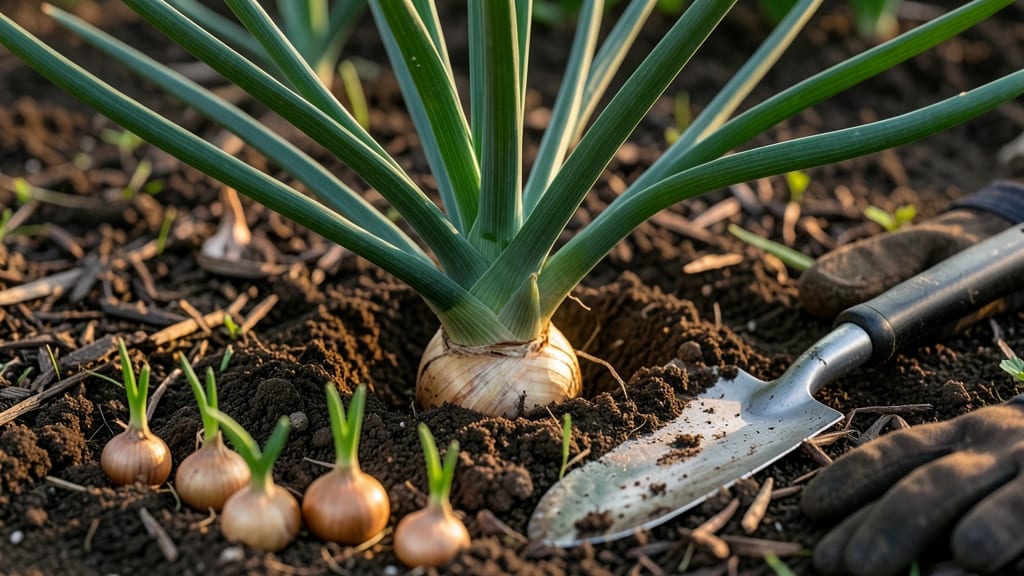
Timing your onion planting in North Carolina could mean the difference between a bumper crop of sweet, flavorful bulbs and a frustrating garden fail. If you plant too early, your onions might bolt in the heat; too late, and you’ll miss the window entirely.
But here’s the good news: with the right schedule—whether you’re sowing in February-March for spring or August-September for fall—you can grow onions that thrive in your 7a-8b climate.
I’ve grown onions in North Carolina for years, and the key is understanding how your local microclimate plays a role. Coastal areas have milder winters, while the Piedmont and Mountains can get chilly faster.
Short-day varieties like ‘Candy’ or intermediate-day types work best for most gardeners here, but choosing the wrong one could lead to bitter, bolted onions. Let me show you exactly when to plant for zero-bolt success.
Spring planting gives you an early harvest, but fall onions often taste sweeter and store better. The trick is getting them in the ground at the right time—4-6 weeks before your last frost for spring, or 90-100 days before your first frost for fall.
Miss these windows, and you’ll end up with weak, stringy onions or none at all. Don’t worry, though—I’ll walk you through the exact dates and steps to make sure your onions grow strong and flavorful.
Ready to grow onions that impress? You’ll learn how to prep your soil, pick the best varieties for your NC zone, and avoid common mistakes that ruin harvests. Let’s get those 🧅 planted the right way—so you can enjoy fresh, homegrown onions all season long.
North Carolina onion planting calendar: exact dates for spring vs. fall success
North Carolina’s diverse climate zones—from the Coastal Plain to the Mountains—mean onion planting dates shift by region. But whether you’re in USDA Zone 7b or Zone 8a, timing your spring vs. fall plantings correctly prevents bolting and ensures sweet, plump bulbs.
The key? Start 4-6 weeks before last frost for spring or 90-100 days before first frost for fall.
For most of NC, that translates to February–March for spring and August–September for fall. But microclimates matter: Coastal areas (like Wilmington) can plant 2-3 weeks earlier, while higher elevations (like Asheville) may delay until late March or early September.
Soil temperature is your best guide—aim for 40–50°F for reliable germination.
Here’s the breakdown you need to avoid common mistakes like overlapping harvests or heat-induced bolting:
| Season | Planting Window (NC Regions) | Soil Temp Threshold | Harvest Window | Best Varieties |
|---|---|---|---|---|
| Spring | Feb–Mar (Coastal), Mar–Apr (Mountains) | 40–50°F | June–July | ‘Candy’, ‘Texas Early White’ (short-day) |
| Fall | Aug–Sep (Coastal), Sep–Oct (Mountains) | 50–60°F | Oct–Nov | ‘Yellow Granex’, ‘Red Creole’ (intermediate-day) |
Spring-planted onions need cool soil to develop bulbs before summer heat triggers bolting. That’s why I always plant ‘Candy’ onions in early February—even in Raleigh—using transplants (sets) instead of seeds. Sets skip the slow germination phase, giving you a 3-week head start on bulb formation.
Fall planting is trickier because NC’s short growing season leaves little room for error. I recommend ‘Yellow Granex’ for fall because it tolerates cooler temps and matures in 90–100 days.
Plant in late August for Coastal NC or early September in the Mountains. Use black plastic mulch to warm soil faster if your fall is chilly.
One mistake I see often? Planting long-day varieties (like ‘Sweet Sandwich’) in NC. These bolt early because they’re bred for northern climates. Stick to short-day or intermediate-day onions—they’re the secret to zero-bolt harvests in our heat.
Pro tip: Mark your last frost date (use the NC State Extension’s frost map) and count backward. For spring, add 4–6 weeks; for fall, subtract 90–100 days from your first frost. This math guarantees you’ll plant at the perfect soil temperature every time.
Regional adjustments matter too. In the Piedmont, aim for March 1–15 for spring; in the Coastal Plain, you can start as early as February 15.
For fall, Asheville gardeners should plant by September 1, while Wilmington can stretch to September 15. Always check your local USDA Zone for precision.
Remember: Soil temperature > calendar dates. Use a soil thermometer to confirm 40–50°F before planting. If your soil is too cold, seeds won’t germinate; if it’s too warm, onions bolt. Balance is everything.
Finally, double-check your variety. Short-day onions (like ‘1015Y’ or ‘Texas Early White’) thrive in NC’s long summer days because they form bulbs before daylight stretches too long. Long-day onions? They’ll bolt by May—a bitter lesson I learned the hard way.
With these dates locked in, you’re ready to plant confidently. Next, we’ll tackle soil prep and bolting prevention—because even perfect timing won’t save you if your soil is wrong.
How to avoid bolting: soil prep, variety selection, and growth hacks for NC climates
North Carolina’s warm climate can turn sweet onion dreams into bitter bolting nightmares if you don’t plan ahead. Bolting—when onions prematurely flower—happens when plants sense long daylight hours or heat stress.
The key to zero-bolt harvests? Choosing the right onion varieties for your region and giving them the perfect growing conditions.
For spring planting, opt for short-day varieties like ‘Candy’ or ‘Texas Early White’, which thrive in NC’s USDA zones 6b-8a. These varieties stay focused on bulb growth instead of flowering when exposed to 12-14 hours of daylight.
If you’re planting in fall for spring harvest, intermediate-day varieties like ‘Yellow Granex’ work well.
⚠️ BOLTING WARNING
Common Mistakes:
- Planting long-day varieties (e.g., ‘Sweet Spanish’) in NC’s heat
- Over-fertilizing with high-nitrogen (promotes leafy growth, not bulbs)
- Skipping shade cloth during summer heatwaves
💡 Fix: Test soil pH (aim for 6.0-7.0) and use balanced fertilizer (5-10-10).
Start by amending your soil with compost or aged manure to improve drainage—waterlogged soil stresses onions and triggers bolting. In summer months, use 30-50% shade cloth to protect plants from afternoon heat. Mulch with straw or grass clippings to keep soil temps stable and retain moisture.
Watering is another critical factor. Deep, infrequent watering (1-2 inches per week) encourages strong root growth, while shallow, frequent watering stresses plants. Always water in the morning to let foliage dry before nightfall, reducing fungal risks.
If you notice onions sending up flower stalks, act fast! Snip them off at the base to redirect energy back to bulb development. For fall-planted onions, harvest when tops yellow and fall over—usually by late October—before bolting becomes an issue.
With the right varieties, soil prep, and growing hacks, you’ll avoid bolting and enjoy sweet, plump onions all season long—no bitter surprises here! 🧅