
Plants
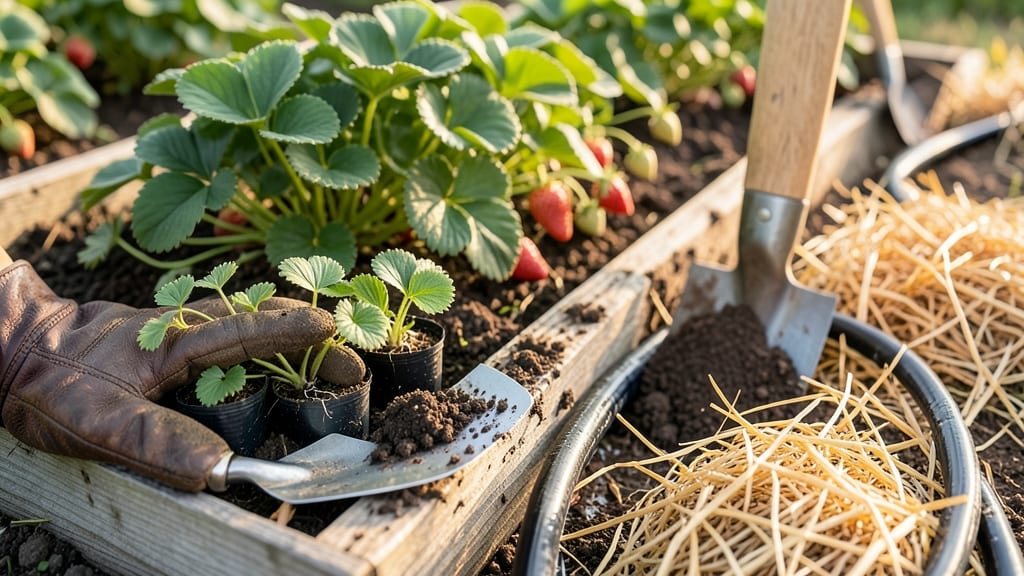
If you’ve ever planted strawberries in California only to watch them bolt prematurely or struggle in the heat, timing is the key to success.
The perfect window depends on your microclimate—whether you’re in foggy coastal areas, the scorching Central Valley, or high-desert regions—because planting too early or late can ruin your harvest.
For most gardeners, the best time to plant strawberries in California is late winter to early spring, but the exact schedule varies by zone. Coastal areas like San Francisco can start as early as February, while inland regions should wait until March or April to avoid frost damage.
Everbearing varieties, in particular, need cooler temperatures to set fruit, so timing matters even more.
I’ve tested these methods across different regions, and the difference in yield is staggering. By following the right planting calendar, you’ll avoid bolting, maximize sweetness, and enjoy a longer harvest season from summer to fall.
Let’s break down the exact schedule for your area so you can grow the juiciest strawberries possible.
Whether you’re working with bare-root plants or potted varieties, understanding your local frost risks and soil warmth is critical. With the right approach, you’ll skip the guesswork and enjoy a bountiful crop—no matter where in California you garden. Ready to get started?
California strawberry planting calendar by microclimate zone
Timing is everything when planting strawberries in California—especially since the state spans from frost-prone coastal areas to scorching deserts. Plant too early in warm zones, and your strawberries bolt (flower prematurely); plant too late in cooler regions, and winter chills stunt growth.
The key is matching your USDA zone with soil temperatures and frost risks. Let’s break it down by region so you can plant with confidence.
California’s three main microclimates—Coastal, Central Valley, and Desert—each have distinct frost dates and soil warming patterns. Coastal areas like San Francisco Bay can experience frost as late as March 15, while inland valleys like Sacramento warm up by February 1.
Desert regions like Palm Springs rarely face frost, allowing earlier plantings. Understanding these differences ensures your strawberries thrive without bolting or freezing.
Soil temperature is your best indicator for planting. Strawberries need soil that’s at least 45°F (7°C) for roots to establish. Use a soil thermometer to check—coastal gardeners should wait until late February to early March, while valley gardeners can start as early as January. Desert regions can plant even earlier, in December, thanks to milder winters.
Here’s a microclimate-specific planting calendar to guide your timing, including frost risk windows and ideal soil temperatures for each zone:
For bare-root strawberries, timing is critical. Plant them as soon as the ground is workable—typically 4–6 weeks before your last frost date. In coastal areas, this means waiting until March, while valley gardeners can start in January.
Soak bare roots in water for 1–2 hours before planting to encourage root growth and reduce transplant shock.
If you’re using potted strawberry plants, you have more flexibility. These can be planted 2–3 weeks earlier than bare-root varieties because their roots are already established. However, avoid planting potted strawberries in extreme heat (above 85°F or 29°C), as this can stress the plants.
Desert gardeners should opt for shade cloth during peak summer months to protect young plants.
Everbearing varieties, like Albion or Seascape, benefit from fall planting in cooler regions. Plant these in September–October for a winter harvest before the first frost. In warmer desert zones, fall planting can lead to bolting, so stick to spring plantings (February–March) for these varieties.
One common mistake is planting strawberries too early in warm climates, which triggers bolting. To prevent this, use black plastic mulch to warm the soil faster in spring or shade cloth in summer to keep roots cool.
Always monitor your plants and adjust timing based on local weather forecasts—a sudden cold snap can undo weeks of preparation.
Pro tip: Test your soil 2–3 weeks before planting. Strawberries thrive in soil with a pH of 5.5–6.8. If your soil is too acidic, amend it with lime; if it’s alkaline, add sulfur or peat moss.
Well-draining soil is non-negotiable—strawberries hate soggy roots, which can lead to root rot.
Finally, remember that container gardening extends your planting window. Pots warm up faster in spring and can be moved to protected areas in fall. This is especially useful for urban gardeners in coastal cities like Los Angeles, where microclimates vary dramatically within just a few blocks.
With the right timing and adjustments, you’ll be harvesting sweet, juicy strawberries for months to come.
California strawberry planting calendar by microclimate zone
Planting strawberries in California isn’t one-size-fits-all—your local microclimate dictates the perfect window to avoid bolting or frost damage. Coastal areas like San Francisco and Santa Barbara have milder winters, while Central Valley regions (like Fresno) face hotter springs.
Even high-desert zones (such as Palm Springs) have unique timing needs. Let’s break down the ideal months for each zone, so you can plant with confidence.
For Coastal California, where winters are cool and summers are foggy, the best time to plant strawberries is February to early March. Soil temperatures here warm up slower, so waiting until late February ensures roots establish before spring rains taper off.
In contrast, Central Valley gardeners should aim for March to mid-April to avoid late frost risks while still capturing early spring moisture.
Desert regions (like the Coachella Valley) have a shorter window—plant in November to December for winter rains or February for spring planting. These areas experience extreme heat by late spring, so early planting is critical to avoid stress. Everbearing varieties, in particular, need cooler temps to set fruit, making timing even more precise.
| Microclimate Zone | Best Planting Window | Soil Temp Goal (°F) | Frost Risk |
|---|---|---|---|
| Coastal (e.g., San Francisco, Santa Barbara) | Late February–Early March | 50–55°F | Low (but possible in valleys) |
| Central Valley (e.g., Fresno, Sacramento) | March–Mid-April | 55–60°F | Moderate (late frosts common) |
| Desert (e.g., Palm Springs, Coachella) | November–December or February | 50–55°F (winter) or 60°F (spring) | None (but heat stress risk) |
| High Elevation (e.g., Sierra Foothills) | April–Early May | 55–65°F | High (late frosts likely) |
Bare-root plants and potted varieties have slightly different timing needs. Bare-root strawberries should be planted as soon as soil is workable—usually 2–4 weeks before your target window—to let roots recover.
For potted plants, you can wait until the last frost date, but don’t delay past mid-April in most zones, or you’ll miss the sweet spot for summer harvests.
One common mistake is planting too early in Central Valley or high-elevation areas, where late frosts can kill young plants. I’ve seen gardeners in Sacramento lose entire beds by planting in February—only to thrive when shifted to March.
Always check your local frost date (available via Almanac.com) and adjust by 2–3 weeks for safety.
For everbearing varieties, like Albion or Seascape, cooler temps trigger flowering, so aim for fall planting in coastal areas (September–October) or spring planting in inland zones. June-bearing types, like Chandler, need warm soil to fruit, so stick to the spring windows above.
Pro tip: Use black plastic mulch in desert regions to warm soil faster and extend your planting window by 1–2 weeks.
Timing isn’t just about months—it’s about soil temperature. Use a soil thermometer to confirm your bed is at least 50°F before planting. In my Central Valley garden, I’ve seen soil temps lag behind air temps by 10°F in early spring, so patience pays off.
With the right schedule, you’ll avoid bolting, maximize yield, and enjoy strawberries from summer through fall.