Flowers
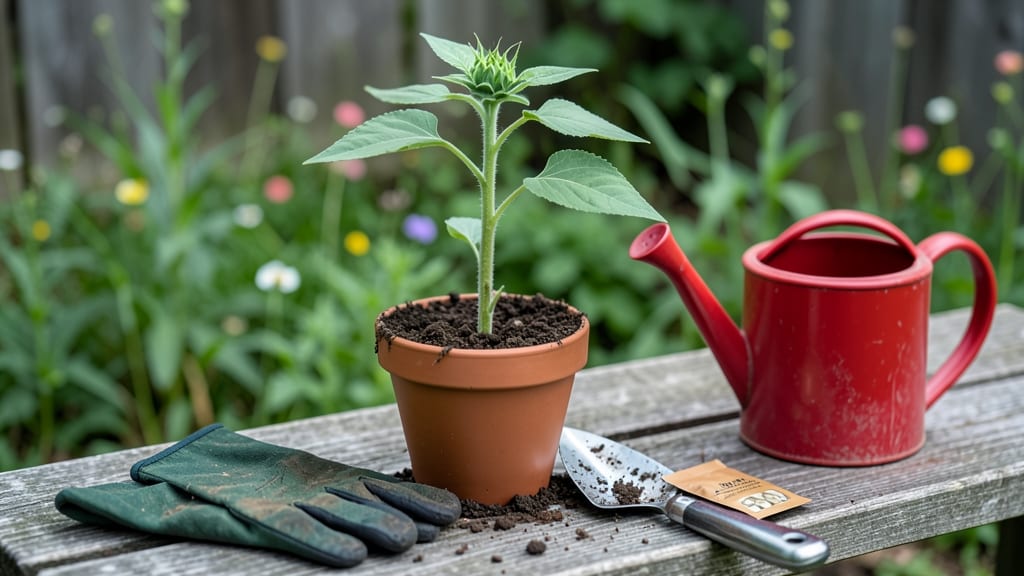
Planting sunflowers in Alabama isn’t just about timing—it’s about outsmarting the state’s unpredictable swings from humid heat to sudden summer storms.
The perfect window starts as early as mid-April in cooler northern zones like 7b, but wait until late May in southern Alabama’s 8a to avoid soggy soil or stunted growth.
Why does this matter? Because Alabama’s 190–220 frost-free days mean your sunflowers 🌻 could bolt in record time—or wilt under scorching July sun if you’re not strategic.
I’ll break down the exact weeks to plant, plus how to prep soil and choose varieties that thrive in your microclimate, whether you’re in the Black Belt or the Appalachian foothills.
You’ll also discover how to stretch your growing season with late-summer sowings for fall blooms, and why transplanting (instead of direct sowing) might be your secret weapon against Alabama’s late-spring droughts. No guesswork—just bold, towering sunflowers by July.
Ready to turn your garden into a sunflower spectacle? Let’s dive into the step-by-step schedule that’ll have your plants reaching for the sky—without the stress.
Alabama sunflower planting calendar by microclimate Zone (weeks to avoid heat stress)
Alabama’s three distinct gardening zones mean your sunflower planting window could vary by 4-6 weeks. North Alabama’s Zone 7a (think Huntsville) has a shorter growing season, while the Zone 8b+ South (Mobile area) enjoys longer summers.
I’ll break down the optimal planting weeks for each zone, plus how to adjust for soil temperature and last frost dates that shift yearly.
For North Alabama (Zone 7a), aim to plant mid-April to early May—after your average last frost (March 15) but before soil hits 70°F+. This gives your sunflowers 120+ frost-free days to mature.
In Central Alabama (Zones 7b-8a), you’ve got flexibility: late March to early June works, with April-May being ideal for most varieties. South Alabama (Zone 8b+) gardeners can start as early as mid-February for fall blooms or plant through June.
🌱 Pro Tip: Use a soil thermometer—sunflowers need 50°F+ soil to germinate. If your soil’s below 50°F, wait 1-2 weeks or use black plastic mulch to warm it faster.
🌻 Alabama Sunflower Planting Calendar
| Zone & Location | Planting Window | Soil Temp Threshold | Last Frost Date | Best Varieties |
|---|---|---|---|---|
| North (Zone 7a) | Mid-April to early May | 50°F+ | March 15 | 'Teddy Bear' (dwarf), 'Moulin Rouge' |
| Central (Zones 7b-8a) | Late March to early June | 50°F+ | March 1-15 | 'Autumn Beauty', 'Russian Giant' |
| South (Zone 8b+) | Mid-February to June | 55°F+ | February 15 | 'ProCut' (cut flowers), 'Sunspot' |
💡 Note: For fall blooms, plant late July-August in all zones.
If you’re transplanting seedlings (not direct sowing), start them 4-6 weeks before your target planting date. For example, Central Alabama gardeners should begin indoor seedlings in late February for a mid-April outdoor move. Use biodegradable pots to avoid root disturbance when transplanting.
Watch for Alabama’s unpredictable late-spring rains. If your area gets consistent downpours after planting, use raised beds or containers to prevent seed rot. In drought-prone areas (like the Black Belt), mulch heavily to retain moisture—sunflowers are drought-tolerant once established, but young plants need consistent water.
For succession planting, sow new seeds every 2-3 weeks from April through June. This ensures continuous blooms through October, even if your first planting gets heat-stressed. Just remember: late June plantings may not mature before first frost in North Alabama.
🌡️ Heat Stress Warning: If daytime temps hit 95°F+ for 3+ days, your sunflowers may bolt prematurely (skip flowering). Provide afternoon shade cloth if your area experiences early summer heatwaves.
Finally, check your local extension office for 2024 frost data—Alabama’s last frost dates can shift by 1-2 weeks yearly. For example, Birmingham (Zone 7b) saw its last frost on March 22 in 2023, but March 10 in 2022. Adjust your planting date accordingly!
5 Critical factors that determine your Exact Sunflower Planting Date in Alabama
Alabama’s variable weather throws off even the best-laid sunflower planting plans. Unlike northern states, we don’t just wait for the last frost—we also track soil temperatures, rainfall patterns, and local pests that can derail your sunflower growth.
Here’s how to pinpoint your perfect planting window beyond just the calendar.
First, soil warmth is non-negotiable. Sunflower seeds need soil at 50°F (10°C) or warmer to sprout. In North Alabama (Zone 7a), this typically happens by mid-April, while South Alabama (Zone 8b+) can plant as early as late March.
Use a soil thermometer to confirm—cold, wet soil is a seed’s worst enemy.
Next, sunflower varieties change the game. Dwarf varieties like 'Teddy Bear' (1-3 ft tall) thrive in Alabama’s late summer heat and can even handle container growing on patios. Meanwhile, giant varieties (10+ ft) need early planting (March-April) to mature before September’s hurricanes or early frosts in North Alabama.
Don’t overlook local pests. Sunflower moths and beetles are Alabama’s top threats, with peak activity in June-July. To dodge them, plant your main crop in May or try a late-summer succession planting (August) when pests have tapered off.
For extra protection, interplant with marigolds or use row covers for young seedlings.
Finally, Alabama’s unpredictable rainfall demands flexibility. If your April showers turn into floods, delay planting until the soil dries enough to crumble in your hand. Conversely, if we get a dry May, prioritize deep watering (1-2 inches per week) to keep seeds from drying out before they sprout.
Pro tip: Use biodegradable seed starter pots for late plantings. They give young sunflowers a head start against Alabama’s sweltering June heat, which can scorch seedlings planted directly in the ground. Just pop the pot into the soil—roots will grow right through the compost material.