
Flowers
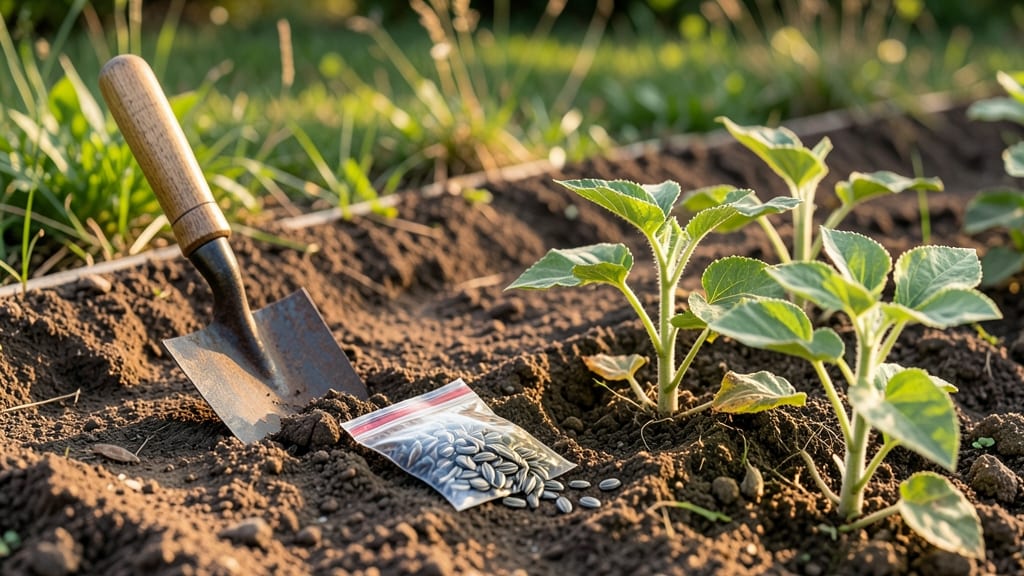
If you’ve ever dreamed of growing towering, golden sunflowers 🌻 in your Missouri garden, timing is the secret ingredient—plant too soon, and frost will nip them in the bud; wait too long, and summer’s heat will stunt their growth.
The perfect window for sunflower planting in Missouri runs from mid-April to mid-June, but your exact start date depends on whether you’re in northern 5b or southern 6a zones.
Sunflowers are annuals that thrive in Missouri’s climate, but they demand warmth to germinate—soil must reach at least 55°F before seeds go in. That means waiting until after the last frost (typically around April 15), but not so late that summer’s intense heat arrives before they establish roots.
The key is balancing these factors to give your sunflowers the 70-120 days they need to reach their full, sun-drenched potential.
Whether you’re direct-sowing seeds or transplanting young plants, this guide breaks down the exact dates for your zone, plus pro tips to handle Missouri’s unpredictable weather. No more guessing—just bold, reliable blooms that’ll turn heads from August through October.
Ready to grow sunflowers that reach for the sky? Let’s dive into the planting schedule that’ll make your garden the talk of the neighborhood.
Missouri sunflower planting dates by growing zone (2024 guide)
Sunflowers thrive in Missouri’s full sun and warm climate, but getting the planting timing right ensures those iconic blooms reach their full potential. Missouri spans USDA zones 5b through 6b, meaning frost dates and soil warming vary dramatically from northern St. Louis to southern Cape Girardeau.
To avoid frost damage or stunted growth, I’ve broken down the exact planting windows for each zone.
Most Missouri gardeners should aim to plant sunflower seeds after the last frost date, typically between mid-April and mid-June. However, northern zones (like zone 5b) may need to wait until late May, while southern zones (like zone 6b) can start as early as late March.
The key is ensuring soil temperatures stay above 55°F—sunflowers won’t germinate in cold soil.
Here’s the breakdown you need for direct sowing vs. transplanting, tailored to Missouri’s microclimates:
🌱 Missouri Sunflower Planting Guide by Zone
| Zone | Last Frost Date | Direct Sowing Window | Transplant Window | Soil Temp Threshold |
|---|---|---|---|---|
| 5b (Northeast MO) | May 10 | May 15–June 15 | April 20–May 10 (with cover) | 55°F+ |
| 6a (Central MO) | April 20 | April 25–May 30 | April 1–April 15 | 55°F+ |
| 6b (Southwest MO) | March 25 | March 30–June 1 | March 15–April 1 | 50°F+ (earlier starts) |
💡 Pro Tip: Use a soil thermometer to confirm readiness—sunflowers need consistent warmth to sprout.
For gardeners in zone 5b, like those in Kansas City or St. Joseph, I recommend starting seeds indoors in late April and transplanting after Memorial Day. This extra buffer protects against late frosts, which can kill young seedlings.
In zone 6b, such as Springfield or Poplar Bluff, you can sow seeds directly into the garden as early as late March, but cover them with row fabric if nights dip below 45°F.
Sunflowers are annuals, meaning they complete their life cycle in one season. In Missouri, they typically bolt (flower) 70–120 days after planting, so timing your sowing ensures blooms appear before the first frost in mid-October.
For example, planting in early May in zone 6a guarantees flowers by late July, while a June planting in zone 5b may only yield blooms by early September.
If you’re growing sunflowers for seeds (like for bird feeders), aim for an earlier planting date—seeds mature 10–14 days after flowering. For cut flowers, a mid-summer planting (around June 15) can extend your harvest into October, just before frost.
Just remember: sunflowers need 6+ hours of sunlight daily, so choose a south-facing spot with well-draining soil.
Missouri’s microclimates can throw off even the best-laid plans. For instance, urban areas like St. Louis may experience heat islands, allowing earlier plantings, while rural farmland in the north might face colder pockets.
To hedge your bets, I suggest planting two batches: one in early May and another in late June. This staggered approach ensures continuous blooms from July through October.
One common mistake Missouri gardeners make is planting sunflowers too close to other crops. These giants can shade out neighbors like tomatoes or peppers. Give them 12–24 inches of space between plants, depending on the variety. Dwarf varieties (like ‘Teddy Bear’) can handle 6-inch spacing
How to adjust sunflower planting for Missouri’s unpredictable weather
Missouri’s weather can be as unpredictable as a summer thunderstorm—one day it’s 50°F with frost warnings, the next it’s 90°F with heat advisories. For sunflowers, this means your planting window might shift 2-3 weeks earlier or later than average.
The key is flexibility: knowing how to adjust for late frosts, early heatwaves, and microclimates (like urban heat islands or shaded valleys) will save your plants from failure.
Start by monitoring your local frost-free date. While Missouri’s average last frost is April 15, northern zones (like 5a) can experience frost until May 1, while southern zones (like 6b) may be frost-free by March 20.
Use a soil thermometer to confirm when temperatures hit 55°F—the minimum for sunflower germination. If frost lingers, opt for slow-release seed coatings or wait until soil warms naturally.
For early heatwaves (common in May-June), consider these strategies: plant shorter varieties like ‘Teddy Bear’ (3-4 ft tall) that mature faster, or use row covers to protect seedlings until they’re 4 inches tall.
If your area hits 85°F+ before planting, delay until late May or early June—sunflowers will still thrive with 6-8 hours of sun daily, even in summer’s intensity.
Missouri Weather Risks & Fixes
Late Frost: If frost hits after planting, cover seedlings with frost cloth or a clear plastic dome. Remove during the day to avoid overheating.
Early Heat: Water deeply early morning to prevent shock. Mulch with straw or grass clippings to retain moisture.
Drought: Sunflowers are drought-tolerant once established, but seedlings need consistent moisture. Use drip irrigation to avoid wetting leaves.
Hail: Tall varieties (6+ ft) may need staking or cages in hail-prone areas like northwest Missouri.
Missouri’s microclimates can vary dramatically even within cities. For example, St. Louis’s urban areas (like South County) can be 5-10°F warmer than rural Boone County. Test your microclimate by planting a few seeds in different spots—south-facing slopes warm up faster, while low-lying areas may stay cooler longer.
Adjust your planting date 1 week earlier for warm microclimates and 1 week later for cooler ones.
If you miss the ideal window, don’t panic! Sunflowers are annuals with a long harvest window (August-October). For a second planting, sow seeds in early July—just ensure they’ll mature before the first frost (typically October 15).
Choose fast-maturing varieties like ‘ProCut’ (50-60 days to harvest) for late plantings. Pair this with extended-season tips, like using black plastic mulch to absorb heat and speed up growth.
Pro tip: Keep a planting journal for 2-3 years to track your local patterns. Note when frost hits, how quickly soil warms, and which varieties thrive. Over time, you’ll refine your schedule to perfection—because in Missouri, every yard is different, and so is every sunflower’s journey to bloom.