
Plants
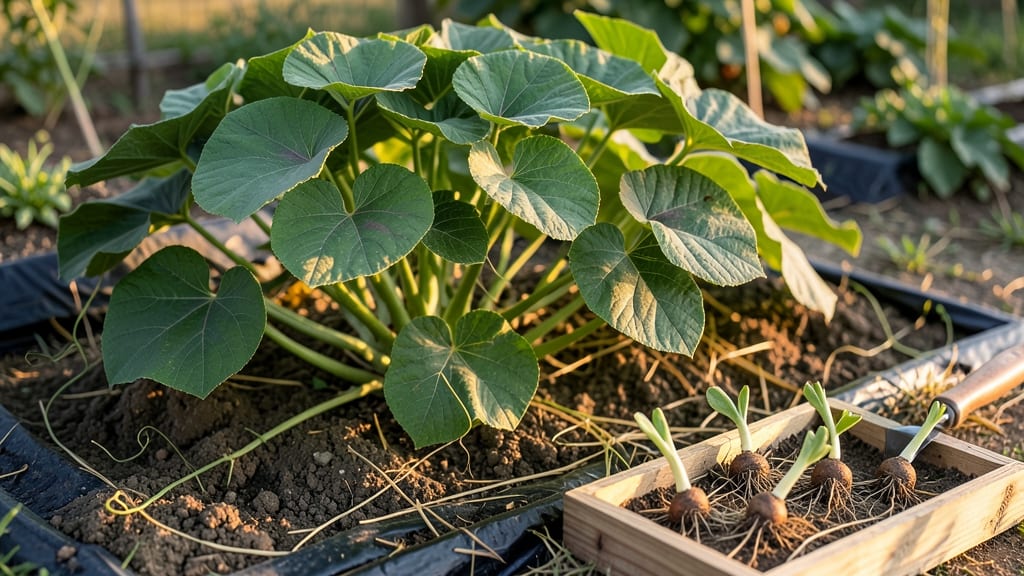
Planting sweet potatoes in Alabama at the wrong time can turn your garden dreams into a disappointing harvest—even with the best soil and care.
The key isn’t just waiting for spring; it’s about catching that sweet spot when soil warmth and pest risks align perfectly for your 🍠 plants to thrive.
Most Alabama gardeners assume May is the magic month, but cooler northern zones like 7b often need to wait until June, while southern areas can start as early as late April.
The difference? Soil temperatures below 65°F slow root growth, and early planting risks vine borers—two mistakes that can ruin your crop before it even begins.
What you’ll discover here is how to time your planting for maximum yield, whether you’re using slips or seeds. I’ll break down the exact window for your region, plus pro tips to prep your soil and avoid common pitfalls that trip up even experienced gardeners in Alabama’s humid climate.
Ready to grow sweet potatoes that rival the ones at your favorite roadside stand? Let’s get your planting schedule locked in for a harvest that’ll make your neighbors jealous.
Optimal planting windows for sweet potatoes in Alabama’s climate zones
Alabama’s diverse climate zones (USDA 7b-8a) mean your sweet potato planting window can vary by 100+ miles. Northern regions like Huntsville have shorter growing seasons, while southern areas like Mobile enjoy extended heat. The key is planting after soil warms to 70°F+—not just after the last frost.
Sweet potatoes hate cold soil. If planted too early, they’ll rot or attract vine borers. In Alabama, this usually means late April to early June for most gardeners. But don’t rush—wait until your soil thermometer confirms warmth, especially in higher elevations like the Appalachian foothills.
Southern Alabama gardeners can start as early as mid-April, while those in North Alabama should wait until mid-May. The critical deadline is June 15—after that, tubers won’t mature before first frost (late November). Use this heat-loving timeline to align with Alabama’s microclimates:
| Region | Best Planting Window | Soil Temp Requirement | Key Risk |
|---|---|---|---|
| North Alabama (Huntsville, Decatur) | Mid-May to June 1 | 70°F+ (use black plastic mulch) | Early frost, vine borers |
| Central Alabama (Birmingham, Montgomery) | Late April to May 15 | 68°F+ (minimum) | Weevils, inconsistent heat |
| South Alabama (Mobile, Dothan) | Mid-April to early June | 65°F+ (sooner in warm years) | Hurricane season delays |
For maximum yield, aim to harvest before September 15. After that, tubers may crack or develop woodiness from Alabama’s humid heat. If you miss the window, consider row covers to extend the season—just remove them during daytime heat to prevent overheating.
Pro tip: Test your soil with a thermometer at 6 inches deep. Sweet potatoes need consistent warmth—if temps dip below 60°F, growth stalls.
In North Alabama, use black plastic mulch to warm soil faster. Southern gardeners can skip this step but should water deeply during dry spells.
Alabama’s humidity also affects timing. Planting too early (March-April) risks fungal diseases like black rot. Wait until daytime highs consistently hit 80°F+—this usually aligns with late spring in most areas.
Use slips (young plants) instead of seeds for faster establishment in Alabama’s short but intense growing season.
If you’re in Zone 7b (like Cullman), stick to June planting to avoid early pests. Zone 8a gardeners (e.g., Gulf Coast) can start as early as April 15 but should harvest by October to prevent tuber spoilage from fall rains.
Remember: Sweet potatoes are heat-seekers. The earlier you plant, the longer they’ll grow—but only if your soil stays warm. In Alabama, June planting often yields the largest tubers because vines have peak summer to photosynthesize.
Don’t wait until July—you’ll miss the 90-day minimum for full-sized harvests.
For second crops, try late June plantings in South Alabama. These smaller tubers are perfect for fall storage and holiday meals. Just space them 12 inches apart—they’ll compete less for nutrients. And always rotate crops to avoid soil-borne diseases like scab.
Optimal planting windows for sweet potatoes in Alabama’s climate zones
Alabama’s humid subtropical climate creates two distinct planting zones for sweet potatoes: North Alabama (USDA 7b) and South Alabama (USDA 8a). The key factor isn’t just the calendar month but soil temperature—wait until the ground reaches at least 65°F (18°C) for slips to thrive.
In cooler northern regions, this often means waiting until late May or early June, while southern gardeners can plant as early as mid-April.
Why the delay? Sweet potatoes hate cold soil. Planting too early risks rotten slips and attracts vine borers, which are most active in cooler months. The last frost date (mid-March) is irrelevant—focus on soil warmth, not air temperature. Use a soil thermometer to confirm readiness before planting.
For maximum yield, aim to plant 4–6 weeks before the first expected heatwave (typically late June in Alabama). This gives vines time to establish before 90°F+ (32°C+) temperatures, which slows growth.
In North Alabama, this often means planting by June 15, while South Alabama gardeners have until late May.
Pro tip: Extend your season by using black plastic mulch to warm soil faster. Lay it down 2–3 weeks before planting to create a microclimate that’s 5–10°F warmer than surrounding soil. This lets you plant 2–3 weeks earlier in cooler zones without risking cold damage.
Miss the window? Don’t panic. Sweet potatoes are heat-tolerant and can handle up to 100°F (38°C), but yields drop if planted after July 15.
For late plantings, choose shorter-day varieties like ‘Beauregard’, which mature faster in high heat. Just be prepared for smaller tubers if vines struggle to establish.
Remember: Harvest timing is just as critical as planting. Aim to harvest before first frost (late November), or tubers may spoil in cold soil.
In South Alabama, you might get a second harvest in early fall if you plant slips in late June—just watch for weevil activity in stored tubers.