
Plants
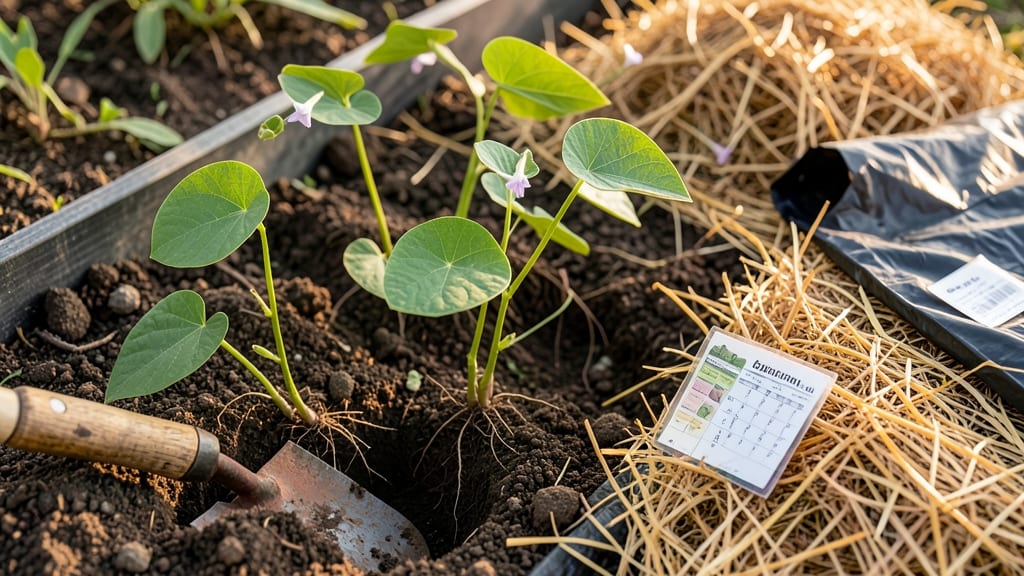
Timing when do you plant sweet potatoes in Florida isn’t just about the calendar—it’s about beating the heat, avoiding bolting, and working with your microclimate. Plant too early, and you’ll battle pests or weak growth; too late, and summer’s scorching sun can stress your slips before they even take root.
For Florida gardeners in USDA zones 9a-11, the sweet spot is March through June for spring plantings and September to October for fall harvests. This window ensures soil stays warm enough (65°F+) while avoiding the brutal midday sun of July and August.
Whether you’re starting with slips or seeds, the key is patience—and knowing when to act. I’ll break down the exact soil temps, moon phases, and even how to adjust for Florida’s unpredictable humidity. By the end, you’ll know exactly when to plant for a bumper crop.
Ready to skip the guesswork? Let’s dive into the microclimate-smart approach that’s keeping Florida farms productive year after year.
Florida sweet potato planting calendar by microclimate zone (avoid bolting & frost risks)
Florida’s climate lets you grow sweet potatoes year-round, but timing matters to avoid bolting (premature flowering) or heat stress. North Florida’s cooler winters and South Florida’s intense summers create distinct planting windows. Let’s break down the best times for each zone.
For North Florida (Zones 8a-9a), focus on spring planting (March-May) to escape occasional winter chills. In Central Florida (Zones 9b-10a), you can plant from February-April and again in September-October. South Florida (Zones 10b-11) gardeners enjoy three planting windows: January-February, May-June, and September-October.
Here’s how to align your planting with Florida’s microclimate risks—from hurricane season to soil temperature swings.
| Zone | Best Planting Windows | Soil Temp Requirement | Key Risks | Harvest Window |
|---|---|---|---|---|
| North Florida (8a-9a) | March 15 - May 15 | 65°F+ (18°C+) | Late frosts, hurricane season | October - December |
| Central Florida (9b-10a) | February 1 - April 30 September 15 - October 31 |
65°F+ (18°C+) | Summer heat stress, humidity | July-August December-February |
| South Florida (10b-11) | January 15 - February 15 May 1 - June 15 September 1 - October 15 |
68°F+ (20°C+) | Extreme heat, drought | April-May August-September December-January |
North Florida’s March-April window avoids late frosts while giving tubers time to mature before winter. Central Florida’s September-October planting lets you harvest before cold snaps. South Florida’s May-June escape avoids peak summer heat.
Use slips (sprouted cuttings) for faster harvests—they outperform seeds in Florida’s heat. Start slips indoors 2-3 weeks before your zone’s ideal planting date for a head start.
For urban gardeners, raised beds warm up faster than ground soil, letting you plant 2-3 weeks earlier. Add black plastic mulch to raise soil temps by 5-10°F if needed.
Monitor soil temperature with a probe—sweet potatoes won’t thrive below 65°F (18°C). In North Florida, wait until April if March soil stays cool.
Hurricane season (June-November) is risky for late plantings. If storms threaten, use row covers to protect young vines. South Florida’s September plantings should be done early to avoid October’s storm risks.
Pro tip: Plant Beauregard or Georgia Jet varieties—they’re Florida’s top performers for heat tolerance and disease resistance.
How to time sweet potato planting for maximum yield (soil temp, moon phases & more)
Timing your sweet potato planting in Florida isn’t just about the calendar—it’s about soil temperature, moon phases, and even your local microclimate.
Unlike northern states, Florida’s frost-free zones mean you can grow sweet potatoes year-round, but heat stress and humidity spikes can derail your harvest if you’re not strategic.
For peak yields, aim to plant when soil temps hit 65°F (18°C)—this triggers faster root development. Use a soil thermometer to check depths of 2-3 inches, especially in sandy Florida soils, which warm up quicker than clay.
In North Florida, this usually lands in late March to early April, while South Florida gardeners can start as early as February.
- 1. Soil Temp Rule: Never plant below 60°F (15°C)—roots won’t form properly. Wait for consistent warmth.
- 2. Moon Phase Hack: Plant during the waxing moon (just after the new moon) to boost tuber growth.
- 3. Organic Boost: Mix in composted manure or bone meal (high phosphorus) 2 weeks before planting.
- 4. Slip vs. Seed: Slips (sprouted cuttings) mature 30% faster than seeds—ideal for Florida’s short growing windows.
- 5. Shade Cloth: Use 30% shade cloth in June-August to protect vines from 90°F+ heat.
Florida’s sandy loam soils drain too quickly for sweet potatoes, so amend with 2-3 inches of compost or aged pine bark to retain moisture. Test your soil’s pH (6.0-6.5 ideal)—sweet potatoes hate acidic conditions.
If your soil is too sandy, add peat moss to improve water retention without compacting the roots.
Pro tip: Plant slips (not seeds) for a head start. Root slips in water for 2 weeks before transplanting—this gives you a 4-6 week advantage over seed-grown plants. For organic growers, use fish emulsion as a starter fertilizer to jumpstart root growth without burning tender slips.
Monitor your plants for bolting (premature flowering), which happens when days get too long or temps dip below 65°F. If you see flower buds, prune them immediately to redirect energy to tuber development. In Central Florida, this is most common in late May, so stay vigilant.
Water deeply once a week after planting to encourage root penetration, then taper to every 10-14 days once vines establish. Mulch with straw or grass clippings to keep roots cool and moist—Florida’s summer droughts can stress plants if left unchecked.
Harvest when vines yellow and die back naturally, usually 100-120 days after planting slips.