
Plants
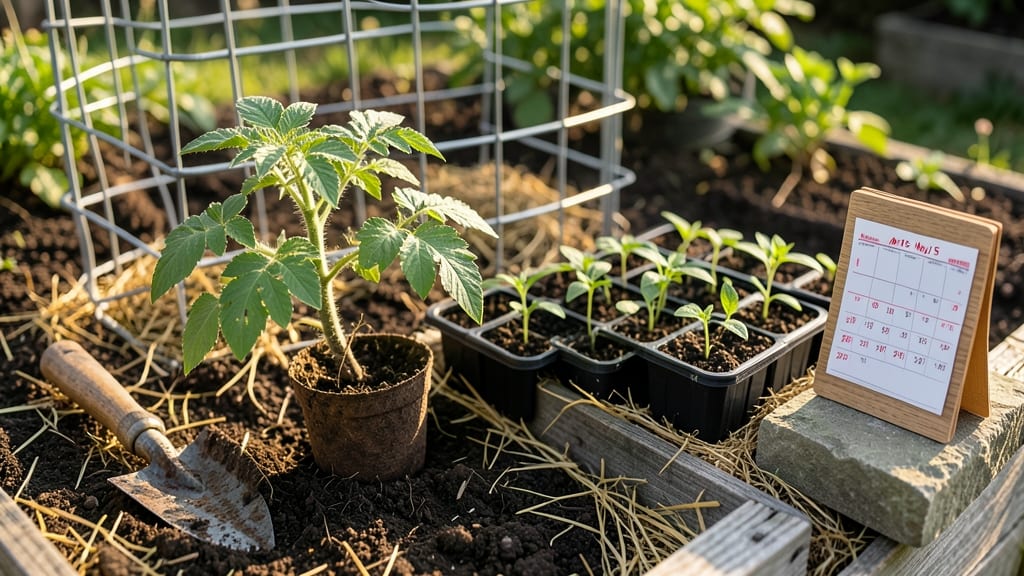
Planting tomatoes in Missouri at the wrong time can turn your dream harvest into a frustrating gamble—especially when late frosts or bolting steal your season.
The key to success lies in understanding Missouri’s unique planting windows, where timing isn’t just about dates but soil warmth, microclimates, and even your specific USDA zone.
Most gardeners in Zones 5b-6b know the rush to get seeds in the ground after April 15th, but rushing too early can backfire. Whether you’re starting indoors or direct-sowing, the soil temperature and frost risk make all the difference.
I’ll break down exactly when to plant for zero bolt risk and how to adjust for Missouri’s unpredictable springs.
Missouri’s humidity and variable weather demand a smarter approach than generic planting charts. From early varieties that tolerate cooler soils to succession planting for extended harvests, I’ll share zone-specific strategies that work—so you avoid the heartbreak of watching your 🍅 tomatoes bolt before they ripen.
Ready to turn your garden into a tomato powerhouse? Let’s dive into the exact deadlines and pro tips that’ll keep your plants thriving from July through October, no matter where in Missouri you’re growing.
Missouri planting zones: exact dates to avoid tomato bolting
Missouri’s USDA zones 5a-7a create big differences in when you should plant tomatoes. In northern Missouri (5a/5b), late frosts can linger until April 25, while southern Missouri (6a/7a) often sees last frosts by April 10.
Planting too early risks bolt risk—when plants flower prematurely—while waiting too long shortens the growing season. Let’s break down the exact windows for each zone.
Your soil temperature is the #1 factor—tomatoes need 60°F+ soil to thrive. In Missouri, this typically happens 2-3 weeks after last frost. Use a soil thermometer to confirm before planting.
For example, in Columbia (6a), soil may hit 60°F by April 20, while in Kansas City (6b), it’s often ready by April 15.
Missouri’s microclimates add another layer. Urban areas like St. Louis (6b) often warm up faster than rural northeast Missouri (5b). If you’re in a warmer microclimate (e.g., near a river or south-facing yard), you can plant 1-2 weeks earlier than the zone average.
Conversely, valleys and shaded areas may need delayed planting.
🌱 Missouri Tomato Planting Zones: Exact Windows
| USDA Zone | Last Frost Date | Safe Planting Window | Soil Temp Threshold | Zone-Specific Risk |
|---|---|---|---|---|
| 5a (Northeast MO) | April 25 | May 10–May 20 | 60°F+ | Late frosts (May 1) |
| 5b (North-Central MO) | April 20 | April 25–May 10 | 60°F+ | Slow soil warming |
| 6a (Central MO) | April 15 | April 20–May 5 | 60°F+ | Humidity + fungal risk |
| 6b (Kansas City) | April 10 | April 15–April 30 | 58°F+ | Heat waves (June) |
| 7a (Southeast MO) | April 5 | April 10–April 25 | 55°F+ | Early blight risk |
💡 Pro Tip: Use black plastic mulch to warm soil 2-3°F faster in cooler zones.
If you’re in zone 5a/5b, consider starter plants instead of seeds—they grow faster and avoid the bolt risk from cool nights. For zone 6a/7a, you can even try early March sowing indoors (6-8 weeks before last frost) to get a head start.
Just be ready to harden off seedlings by late April.
Missouri’s humidity levels also play a role. In southern zones (6a/7a), high humidity can cause early blight if planting is delayed. Aim to transplant within 2 weeks of your zone’s safe window to balance growth speed and disease risk.
For example, St. Louis gardeners should plant by April 25 to avoid fungal issues.
For succession planting, Missouri’s long growing season (avg. 165 frost-free days) lets you plant every 2 weeks until June 15. This ensures a continuous harvest from July to October. Just adjust spacing—later plantings can go in smaller clusters to avoid overcrowding.
Missouri’s late spring freezes (even in May) are a real threat. Monitor the National Weather Service’s frost predictions and have row covers ready. In zone 5a, I’ve seen May 1 frosts damage young plants—always plant after May 10 in these areas unless you’re using heat-loving varieties.
Finally, soil preparation matters. Missouri’s clay-heavy soils (common in northern zones
Indoor vs outdoor planting strategies for Missouri climates
Missouri’s unpredictable spring weather forces tough choices between indoor seed starting and direct outdoor sowing. Your decision hinges on your USDA zone and whether you’re in northern Missouri (5a/5b) or central/southern regions (6a/7a).
Let’s break down when to start seeds indoors versus planting directly outside to maximize your harvest.
For cooler zones (5a/5b), indoor seed starting is non-negotiable. Begin seeds 6-8 weeks before your last frost date—typically mid-February to early March—to give seedlings a head start. Outdoor planting here happens after May 15, when soil temperatures consistently hit 60°F+.
In warmer zones (6a/7a), you can direct-sow outdoors as early as late March to early April, but still use row covers for protection.
Here’s the key difference: Indoor starting gives you earlier harvests and hardier plants, while direct sowing saves time and reduces transplant shock. Missouri’s late spring freezes (especially in northern zones) make indoor starting the safer bet for most gardeners.
Indoor Seed Starting
- Earlier harvests (2-3 weeks ahead)
- Hardier seedlings resistant to pests
- Better control over growing conditions
- Requires grow lights/space
- Transplant shock risk if not hardened off
- More time-intensive
Direct Outdoor Sowing
- No transplant shock
- Less labor-intensive
- Better for warm zones (6a/7a)
- Late frosts can kill seedlings
- Slower maturity (1-2 weeks later)
- Pest vulnerability increases
Missouri’s humidity and pests make hardening off critical if you start indoors. Acclimate seedlings to outdoor conditions over 7-10 days before transplanting. For direct sowing, use black plastic mulch to warm soil faster and deter weeds.
In northern Missouri, consider row covers until late May to protect young plants.
Pro tip: Succession planting works well in Missouri. After your first planting (early May), sow a second batch 2-3 weeks later for a staggered harvest through September. This spreads risk if early plants fail due to heat stress or disease.
Always monitor soil temperature—it’s the ultimate deciding factor for both indoor and outdoor planting.
For urban gardeners with limited space, container growing is a great alternative. Start seeds indoors in 5-gallon pots and move them outside after last frost. Just ensure containers have drainage holes and use lightweight potting mix to prevent cracking in Missouri’s sweltering summers.