
Plants
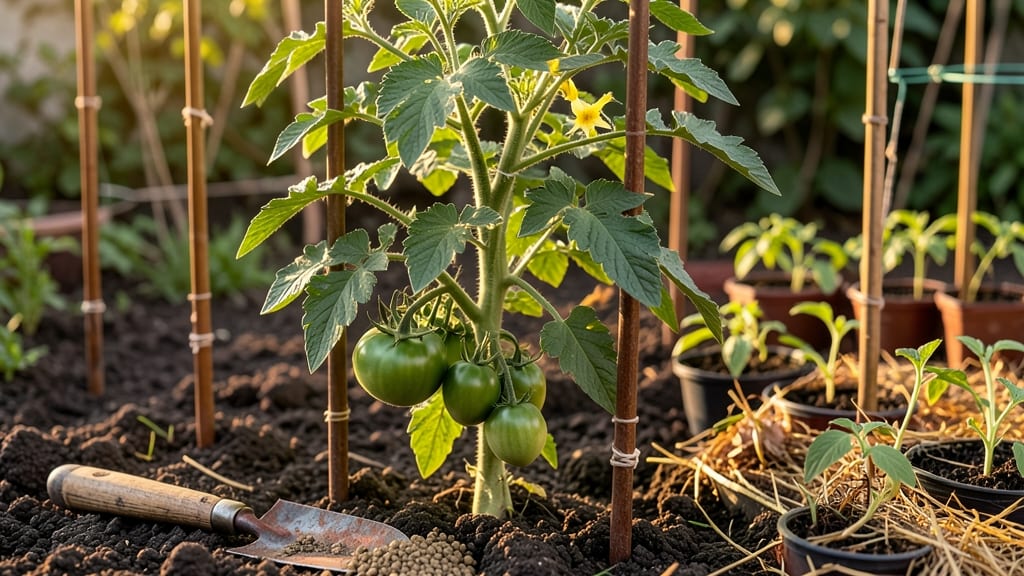
Planting tomatoes in Pennsylvania isn’t just about dropping seeds in the dirt—it’s about mastering the 6a-7a zone dance between frost and heat. One week too early, and a late spring freeze could wipe out your 🍅 seedlings before they even sprout. Get the timing right, though, and you’ll be feasting on homegrown beefsteaks by July.
Let’s face it: Pennsylvania’s climate throws curveballs. Pittsburgh’s last frost might hit on April 15, while Philadelphia’s lingers until May 1. That’s why knowing your exact zone—and adjusting for early vs. late varieties—isn’t just helpful, it’s essential.
Skip this step, and you’ll either be waiting too long for harvest or scrambling to save plants from unexpected chills.
Here’s the game-changer: a frost-free timeline tailored to your corner of the Keystone State. Whether you’re transplanting sturdy seedlings or sowing seeds directly, I’ll break down the ideal windows, soil prep secrets, and how to stretch your growing season with simple tricks.
No more guesswork—just juicy, sun-ripened tomatoes from your garden.
Ready to turn your backyard into a tomato powerhouse? Let’s dive into the exact dates, varieties, and pro tips that’ll make this your most successful growing season yet. Your future self (and taste buds) will thank you.
Pennsylvania tomato planting timeline by hardiness zones (5-8)
Pennsylvania’s diverse climate—spanning USDA zones 5b through 7a—means your tomato planting window can vary by 2-3 weeks depending on where you live.
In northern PA (zones 5-6), the last frost typically arrives late April to early May, while southern PA (zones 6b-7a) sees frost-free conditions as early as mid-April. Timing isn’t just about frost dates, though—soil temperature matters too.
Tomatoes need 60°F+ soil to thrive, and cool, wet springs can delay planting even after frost risk passes.
For seedlings (the most common method), aim to transplant 2-3 weeks after your last frost date.
This gives young plants time to establish roots before summer heat arrives. Direct sowing (planting seeds outdoors) is riskier in PA’s unpredictable spring but can work if you’re in zone 7a and use row covers for early protection.
I’ve found that late May is the safest bet for direct sowing in most of the state, especially for heirloom varieties that need extra time to mature.
Here’s the key: Pittsburgh (zone 6a) gardeners should wait until May 10-20 for seedlings, while Philadelphia (zone 7a) can plant as early as April 20-May 5. Even within these windows, microclimates matter. A south-facing garden warms up faster than a north-facing bed, so adjust accordingly.
If you’re unsure about your exact last frost date, check the National Weather Service or local Cooperative Extension office for your county’s averages.
🌱 Critical Tip: Always harden off seedlings before transplanting. Acclimate them to outdoor conditions over 7-10 days by gradually increasing sunlight exposure. Skip this step, and your plants may bolt (flower too early) or struggle in PA’s humid summers.
If you’re starting seeds indoors, begin 6-8 weeks before your transplant date. For zone 5b, that means mid-March; for zone 7a, late February. Use grow lights to prevent leggy seedlings, and keep soil moist but not soggy.
I’ve had the best luck with 72-hour seed-starting kits—they’re foolproof for beginners and give seeds the warmth and humidity they need to germinate.
One mistake
Best tomato varieties for Pennsylvania’s climate and planting windows
Pennsylvania’s humid summers and variable frost dates demand tomato varieties that thrive under pressure. Early-season types like ‘Stupice’ or ‘Early Girl’ race to maturity before heat sets in, while heat-tolerant ‘Solar Fire’ or ‘Heatmaster’ handle July’s sweltering temps like champions.
The key? Matching your planting window to each variety’s days to maturity—because a late frost in May means your 90-day heirloom won’t have time to ripen if planted too early.
For zone 6a gardeners (think Scranton or State College), start with early-maturing varieties like ‘Mountain Merit’ (65 days) or ‘Patio’ (50 days), which can handle cooler soils.
Warmer zone 7a areas (Philadelphia, Pittsburgh) can afford longer-season types like ‘Brandywine’ (80 days) or ‘Celebrity’ (70 days), but only if planted after May 15 to avoid frost damage.
Don’t overlook disease-resistant hybrids—Pennsylvania’s damp summers breed blight and wilt faster than you can say “failed harvest.” Varieties like ‘Defiant PhR’ (resistant to fusarium and verticillium wilt) or ‘Glacier’ (crack-resistant) are lifesavers for stressed plants.
Cherry tomatoes like ‘Sweet 100’ or ‘Sun Gold’ are crowd-pleasers because they ripen quickly (55–60 days) and produce prolifically, even in shorter seasons. Their compact size also makes them ideal for container gardening—perfect if your backyard’s soil is rocky or poorly draining.
| Variety | Days to Maturity | Best Planting Window | Key Traits |
|---|---|---|---|
| Stupice | 50–55 | April 20–May 10 | Early, cold-tolerant, great for zone 6a |
| Mountain Merit | 65–70 | May 1–May 15 | Disease-resistant, beefsteak slices |
| Solar Fire | 65–70 | May 15–June 1 | Heat-tolerant, red-orange fruit |
| Sweet 100 | 55–60 | April 25–May 20 | Cherry, prolific, container-friendly |
| Brandywine | 80–85 | May 15–June 1 | Heirloom, meaty, needs long season |
Pro tip: For succession planting, stagger your cherry tomato seeds every 2 weeks from late April through mid-May. This ensures a continuous harvest from July through September, even if Mother Nature throws a late frost or early heatwave your way.
And if you’re growing indoors for early starts, ‘Tiny Tim’ (45 days) or ‘Micro Tom’ (40 days) are perfect for windowsills or grow lights.
Remember, soil temperature matters just as much as air temperature. Aim for 60°F+ soil before transplanting—use a soil thermometer to avoid cold-shocked seedlings. And if your summer’s humid and sticky, prioritize disease-resistant or crack-resistant varieties to keep your harvest intact.
Now that you’ve got the perfect varieties for your zone, let’s talk about how to stretch your growing season even further—because in Pennsylvania, every extra week counts. 🌱