
Plants
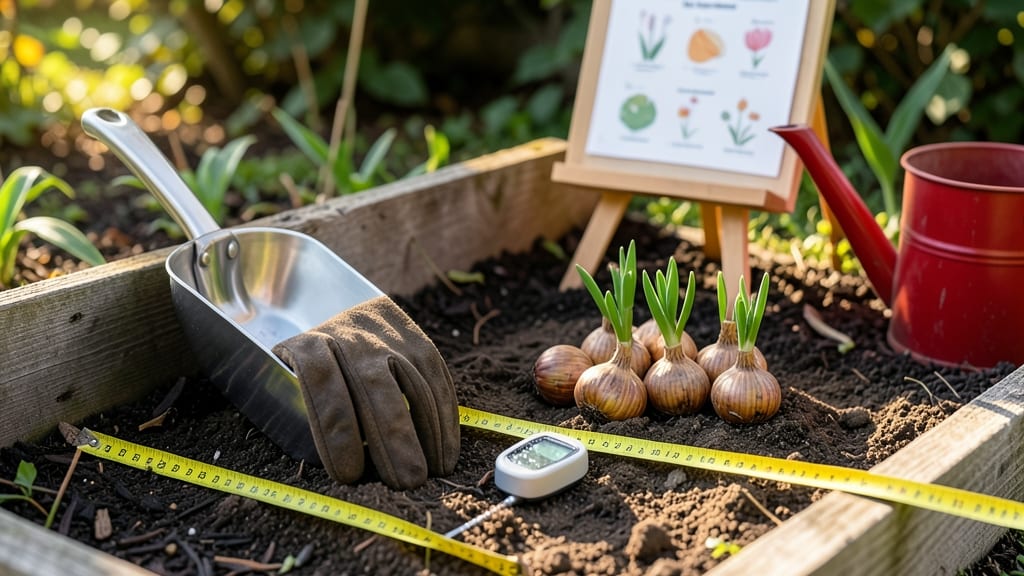
Planting tulip bulbs at the right time in Illinois is the difference between a garden bursting with 🌷 spring color and one that barely makes an appearance.
If you've ever wondered why some tulips thrive while others struggle, the answer lies in understanding your Zone 5-6 climate and the perfect planting window.
For Illinois gardeners, the ideal time to plant tulips falls between October and November, giving bulbs enough time to establish roots before winter sets in.
This isn't just a random guess—it's about working with your region's frost dates and soil conditions to ensure those bulbs grow strong roots before dormancy kicks in.
You might be tempted to plant earlier or later, but timing is everything. Plant too early, and the bulbs may sprout before winter; too late, and they won't have enough time to root before the ground freezes.
Let's break down exactly when and how to plant for the most vibrant spring blooms in your Illinois garden.
Whether you're a seasoned gardener or just starting out, these insights will help you avoid common mistakes and set your tulips up for success. With the right approach, you'll be rewarded with a stunning display of color that makes all the effort worthwhile.
Optimal Illinois tulip planting timeline: Zone 5 planting windows explained
In Zone 5 Illinois, the best time to plant tulip bulbs is between mid-October and mid-November. This window ensures bulbs establish roots before the ground freezes, typically around October 20 in most areas.
Planting too early risks rot, while waiting too late can leave bulbs vulnerable to winter cold.
Illinois gardeners should aim for 4-6 weeks before the first frost. For example, if your area freezes around November 15, plant bulbs by early November. This timing gives roots time to anchor before winter dormancy begins.
Soil temperature plays a critical role. Tulip bulbs need 40-50°F soil to begin root growth. In Illinois, soil usually reaches this temperature by early October, but cooler years may delay planting until late October.
If you miss the ideal window, you can still plant in early December, but success depends on a mild winter. Bulbs planted this late may not bloom as vigorously or could freeze if temperatures drop below 20°F.
Here’s a quick reference for Illinois gardeners:
| Planting Window | Soil Temp | Frost Risk | Bloom Timing |
|---|---|---|---|
| Mid-October | 40-50°F | Low | Early spring |
| Late October | 35-45°F | Moderate | Standard spring |
| Early November | 30-40°F | High | Potentially delayed |
| Early December | Below 30°F | Very high | Risk of poor blooms |
For best results, plant tulip bulbs in full sun locations with well-draining soil. Illinois’ clay-heavy soils often need amendments like compost or sand to improve drainage. Avoid soggy spots, as waterlogged soil can cause bulb rot.
If you’re unsure about your local frost date, check with your local Cooperative Extension office or use a frost date calculator. Many Illinois gardeners also follow the "6-week rule": count back 6 weeks from your average first frost date to determine planting time.
Pro tip: Mark your planting spots with flagging or stakes to avoid disturbing the soil later. This helps you remember where bulbs are planted and prevents accidental digging in spring.
Once planted, mulch with 2-3 inches of straw or leaves to insulate bulbs from temperature swings. Remove mulch in early spring to allow sunlight to reach emerging shoots.
Timing isn’t just about the calendar—it’s about giving your tulips the perfect start for vibrant spring blooms. With the right approach, your Illinois garden can burst into color year after year. 🌷
Optimal Illinois tulip planting timeline: Zone 5 planting windows explained
In Zone 5 Illinois, planting tulip bulbs between mid-October and mid-November gives them time to establish roots before winter. This window ensures bulbs develop strong roots while avoiding late-season frost damage. Soil temperatures should be between 40°F and 50°F—ideal for root growth before the ground freezes.
Why timing matters so much: Tulips need 4-6 weeks of cool soil to form roots before winter dormancy. Planting too early (like September) can cause premature sprouting, while planting too late (December+) risks frost-heaving—when bulbs push out of the ground and freeze.
Illinois’ average first frost hits around October 20, so aim to finish planting by mid-November.
🌷 Illinois Tulip Planting Timeline Summary
For early bloomers, plant bulbs in September if your soil stays warm. However, this risks rodent damage (squirrels love fresh bulbs!).
If you miss the October window, you can plant in early December, but bulbs may need extra mulch to insulate them through winter. Soil temperature is your best guide—wait until it drops below 60°F consistently at night.
Pro tip: Use a soil thermometer to monitor temperatures. Aim for 40°F–50°F at planting depth (6 inches). If your soil stays above 50°F past November, delay planting until temperatures drop. Cold stratification (natural winter chilling) is critical for tulips—skipping it can lead to weak or no blooms next spring.
Remember, Illinois’ variable winters mean flexibility is key. If you’re in northern Illinois (colder Zone 5), plant earlier (late September). In southern Illinois (warmer Zone 6), wait until late October. Always check your local frost dates—they’re your planting deadline! ☀️