
Plants
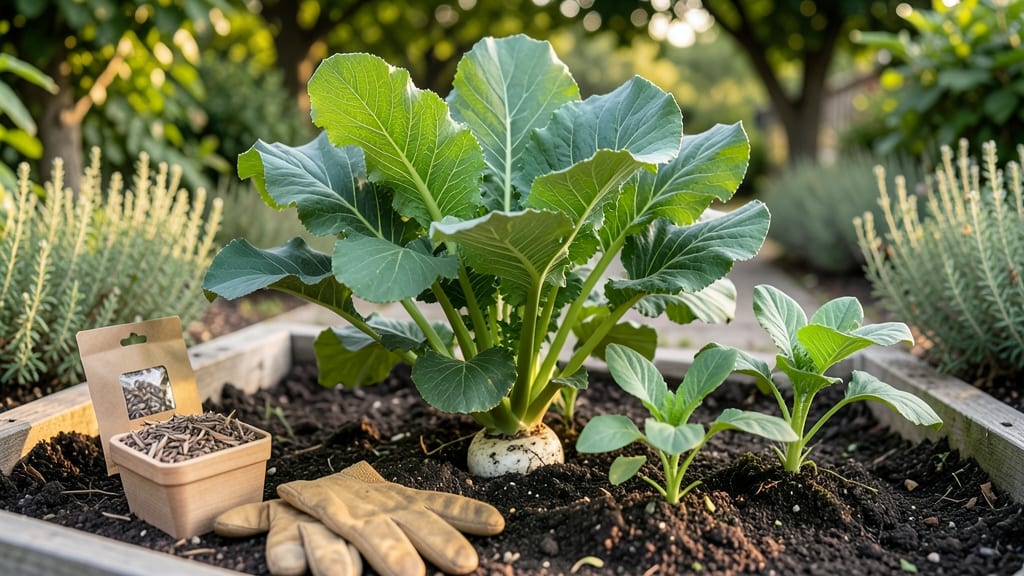
Planting turnip greens 🥬 in Tennessee isn’t just about timing—it’s about beating the 6a-7b zone’s unpredictable frosts while maximizing your harvest. The wrong window means bitter leaves or stunted growth, but getting it right unlocks a year-round supply of nutrient-rich greens perfect for Southern cooking.
Most gardeners in Tennessee swear by two planting windows: spring (March–April) and fall (August–September), but the key is aligning with your last frost date—typically around March 15—and avoiding the heat of summer.
Whether you’re a backyard farmer or a container gardener, these frost-free strategies will ensure your greens thrive.
I’ll break down the exact dates for Nashville, Knoxville, and Chattanooga, plus how to adjust for early or late seasons. You’ll also learn how to prep soil, space seeds, and even extend harvests with row covers—so you’re never left wondering if your turnip greens will make it to the table.
Ready to turn your Tennessee garden into a turnip green powerhouse? Let’s dive into the step-by-step planting timeline that actually works for our climate.
Tennessee turnip greens planting calendar: exact dates by Zone 6a-7b
Tennessee’s USDA Zones 6a-7b create a unique challenge for growing turnip greens—too early, and frost will kill seedlings; too late, and summer heat sends them bolting. The key is planting when soil temps hit 40-50°F and nights stay above 35°F.
For most of Tennessee, this means two ideal windows: late winter/early spring and late summer/early fall.
Let’s break down the exact planting dates for Nashville (Zone 6b), Knoxville (Zone 7a), and Chattanooga (Zone 7b). These cities experience microclimates that shift planting windows by 1-2 weeks. For example, Nashville’s last frost typically arrives March 15, while Chattanooga’s can be as late as April 1.
🌱 Pro Tip: Use a soil thermometer to confirm readiness—turnip greens won’t germinate well below 40°F. If temps drop unexpectedly, cover seedlings with frost cloth for protection.
| Region | Spring Planting Window | Fall Planting Window | Last Frost Date | First Frost Date |
|---|---|---|---|---|
| Nashville (Zone 6b) | March 15 – April 15 | August 15 – September 15 | March 15 | November 1 |
| Knoxville (Zone 7a) | March 1 – April 10 | August 1 – September 10 | March 1 | October 31 |
| Chattanooga (Zone 7b) | March 10 – April 5 | July 30 – September 5 | April 1 | October 15 |
📅 Adjust for Microclimates: Valley areas (like East TN) plant 1-2 weeks earlier than ridge tops.
For spring plantings, aim to sow seeds 4-6 weeks before your last frost date. This gives seedlings enough time to establish roots before soil warms. In Zone 7b (Chattanooga), this often means starting in early March, while Zone 6b (Nashville) gardeners should wait until mid-March.
Fall plantings require more precision. Sow seeds 6-8 weeks before your first frost date to ensure a harvest before cold sets in. In Knoxville, this translates to August 1—plant too late, and greens may bolt before October’s first frost.
Use row covers to extend the season by 2-3 weeks in fall.
🌿 Soil Prep Matters: Turnip greens thrive in loamy, well-draining soil with a pH of 6.0-7.0. Work in 2-3 inches of compost before planting to improve fertility. Avoid heavy clay soils, which can cause root rot.
If you’re in a warmer microclimate (like Memphis, Zone 7b), consider succession planting every 2 weeks in spring for a continuous harvest. In cooler areas (like Bristol, Zone 6a), stick to one planting window to avoid frost damage.
💡 Heat Stress Warning: In Zone 7b summers, turnip greens planted after June 1 may bolt prematurely. Opt for shade cloth or move to a partial-shade location if extending the season.
Finally, always harden off seedlings for 5-7 days before transplanting. Acclimate them to outdoor conditions by gradually increasing exposure to sun and wind. This step reduces transplant shock and ensures stronger, more resilient plants.
How to time turnip greens for maximum yield: 3 critical factors
Timing is everything when growing turnip greens in Tennessee’s USDA Zones 6a-7b. The difference between a bountiful harvest and bitter disappointment often comes down to three key factors: spacing, succession planting, and avoiding bolting during heatwaves. Let’s break down how to nail these for your Tennessee garden.
First, spacing your seeds correctly prevents competition for nutrients and sunlight. Plant turnip greens seeds ½ inch deep and 1 inch apart in rows spaced 12-18 inches apart. This gives leaves room to grow without overcrowding, which can lead to pale, stunted greens.
Thin seedlings to 4-6 inches apart once they sprout to ensure each plant gets optimal airflow and sunlight.
Next, succession planting is your secret weapon for a continuous harvest. Since turnip greens mature in 30-60 days, plant new seeds every 2-3 weeks during the spring and fall windows.
For example, if your last frost is March 15, start your first planting in late February and follow up with March and April batches. This ensures you always have fresh greens ready to pick.
Finally, watch for bolting, which turns your tender greens into bitter, seed-producing plants. Tennessee’s Zone 7b summers can trigger bolting if temperatures rise above 75°F during the day.
To prevent this, use shade cloth during peak heat or opt for heat-tolerant varieties like ‘Southern Giant Curled’ or ‘Seven Top Turnip’. Planting in partial shade can also delay bolting while keeping your greens edible.
Here’s a quick 3-step