
Plants
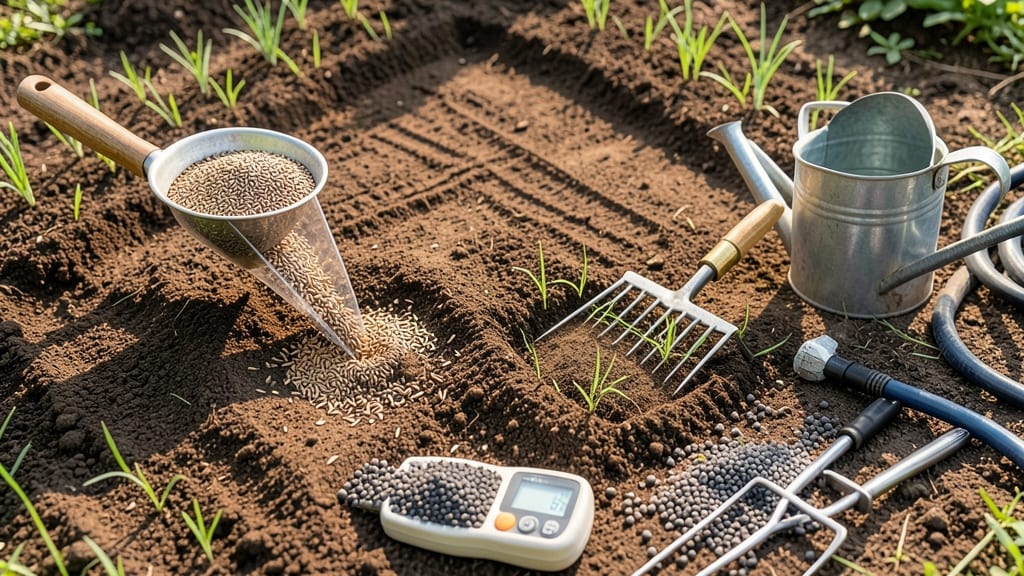
A good time to plant grass seed in the spring can make the difference between a patchy, struggling lawn and a lush, vibrant yard that neighbors envy. With 14-28 days for germination alone, getting the window right is everything—especially in Zone 6a where early frosts still lurk.
Most gardeners assume "spring" means "as soon as the snow melts," but that’s a recipe for disappointment. The soil warmth test is the key—cool-season grasses like Kentucky bluegrass thrive when temperatures hit 50°F, while warm-season varieties wait for 60°F or warmer.
Planting too early risks frost damage, while waiting too long lets weeds steal the show.
I’ve learned the hard way that rushing the process means fighting for every blade of grass against weeds and unpredictable weather. The secret?
Planting 4-6 weeks before your last frost date (around mid-April in Zone 6a) gives your 🌱 grass seed the best shot at establishing strong roots before summer’s heat arrives.
In this guide, I’ll break down exactly when to plant based on your region, how to test soil readiness, and the fastest ways to ensure your lawn grows thick and green—without the guesswork. Let’s get started.
The ideal soil temperature for planting grass seed in spring
Spring is the perfect time to transform your lawn, but soil temperature is the secret ingredient most gardeners overlook. Cool-season grasses like Kentucky bluegrass and fescue thrive when soil reaches 50°F–60°F, while warm-season varieties such as Bermuda and Zoysia need 65°F–75°F.
Planting too early risks frost damage, while waiting too long lets weeds steal the show.
Your local climate plays a huge role—northern regions (USDA Zones 3–5) often wait until mid-April, while southern zones (6–8) can start as early as late March. The key is balancing soil warmth and frost risk to ensure your seeds germinate quickly and establish strong roots.
Here’s how to test your soil temperature accurately without fancy tools. A simple DIY method involves pressing your hand into the soil—if it feels cool but workable (like a chilled pie crust), it’s likely in the 50°F–60°F range. For precision, a soil thermometer (just $10) gives exact readings in seconds.
| Grass Type | Ideal Soil Temp (°F) | Planting Window | Key Signs Soil Is Ready |
|---|---|---|---|
| Cool-Season (Kentucky Bluegrass, Fescue, Ryegrass) | 50°F–65°F | 4–6 weeks before last frost | Soil crumbles easily, weeds sprouting, daytime temps >50°F |
| Warm-Season (Bermuda, Zoysia, St. Augustine) | 65°F–75°F | After last frost (late spring) | Soil feels warm to touch, night temps stay above 55°F |
| Transition Zones (Mixed Climates) | 55°F–60°F (early) or 70°F+ (late) | Early spring or late summer | Check local frost dates; avoid extreme heat/cold |
🌱 Pro Tip: Morning soil temps are 2–5°F cooler than afternoon—test in the late morning for accuracy.
If you’re in doubt, err on the side of warmth. Cool-season grasses planted at 50°F germinate in 7–14 days, while soil below 45°F can delay germination by 3+ weeks—and that’s time weeds will happily exploit.
For warm-season grasses, wait until nighttime temps stay above 55°F to avoid heat stress.
Another trick? Watch your local daylight length. In spring, days lengthen rapidly—when daylight reaches 14+ hours, your soil is likely warm enough for cool-season grasses. For warm-season types, aim for 15+ hours of daylight and consistent 70°F+ daytime temps.
Mulching your newly seeded area with straw (not wood chips) helps retain soil warmth and moisture. A thin layer (¼ inch) shields seeds from drying out while allowing sunlight to penetrate. Just avoid piling it too thick—½ inch+ can smother seeds and trap excess moisture, inviting fungus.
Remember, consistent moisture is just as critical as temperature. Water lightly twice daily (morning and evening) for the first 7–10 days to keep soil evenly damp. Use a sprinkler with fine mist or a garden hose with a gentle spray to avoid displacing seeds.
For northern climates, consider a lightweight row cover (like frost cloth) if nighttime temps dip below 40°F after planting. It adds 5–10°F of warmth without suffocating seedlings. Remove it during the day to let sunlight through—photosynthesis is your grass’s best friend at this stage.
Finally, avoid fertilizing until you see 2–3 inches of grass growth. Too much nitrogen too soon burns tender seedlings. Stick to a low-phosphorus starter fertilizer (like 10-10-10) at planting time to fuel root development without overwhelming the young plants.
With the right soil temperature and a little patience, your grass will germinate in 10–21 days—transforming your lawn from bare earth to a lush, green carpet by summer. The key? Timing is everything, and now you’ve got the tools to get it right. 🌱
Regional spring planting windows by U.s. climate zones
Spring planting windows vary dramatically across the U.S., so knowing your USDA hardiness zone is key. In northern zones (3–5), aim for early April when soil warms to 50°F and frost risk drops.
Southern regions (Zone 6–8) can start as early as late March, while Zone 9–11 often wait until April or May to avoid summer heat stress.
The last frost date is your best guide—plant 4–6 weeks before it to give seedlings time to establish. For example, in Zone 5, this might be mid-April, while Zone 8 could see ideal timing in late February. Always check local weather forecasts for unexpected cold snaps.
| Zone | Ideal Planting Window | Soil Temp Goal | Key Risk |
|---|---|---|---|
| 3–5 | Early April | 50–55°F | Late frost |
| 6–8 | Late March–May | 55–65°F | Weed competition |
| 9–11 | April–May | 60–70°F | Summer drought |
Adjust for microclimates—shady spots or low-lying areas may need a 2-week delay. For example, a northern slope in Zone 6 might stay too cold for planting until mid-April, while a southern exposure could be ready by late March. Always prioritize soil temperature over calendar dates.
If you’re in a transition zone (e.g., Zone 7), consider cool-season grasses like tall fescue for early spring planting and warm-season grasses like Bermuda for late spring. This two-step approach maximizes your growing season and reduces seasonal stress on your lawn.
Pro tip: Use a soil thermometer to verify readiness—50°F for cool-season grasses and 60°F for warm-season varieties. If your soil is still cold, wait 1–2 weeks to avoid stunted growth or seed rot.
Remember, overseeding in fall often yields better results for cool-season grasses, but spring planting is perfect for repairing bare patches or establishing new lawns. Just time it right to avoid winterkill or summer heat stress.