
Plants
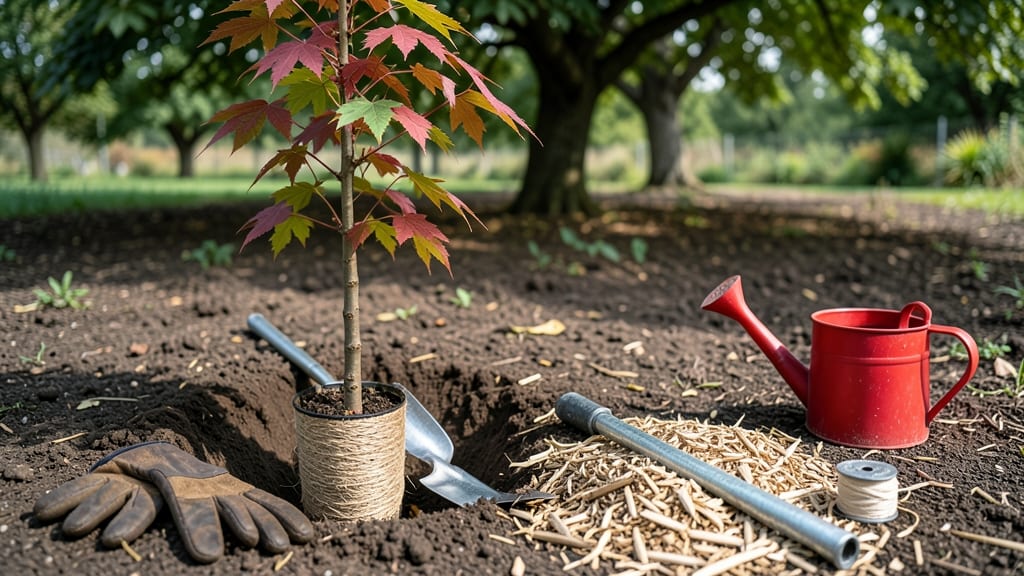
Mastering when to plant a tree in the ground can make all the difference between a thriving 🌳 and years of frustration. Whether you're adding shade to your yard or restoring your local ecosystem, getting it wrong means struggling with poor root growth or even wasted effort.
I've seen firsthand how a few weeks can transform a struggling sapling into a strong, healthy tree.
Most gardeners assume spring is the only time to plant, but the truth is more nuanced. In USDA Zone 6a, like where I live, late spring to early fall offers the best window—after the last frost but before summer heat sets in.
This gives roots time to establish before winter dormancy kicks in, setting your tree up for long-term success.
What you might not realize is that different tree species have their own ideal planting windows. Deciduous trees, for example, benefit from early spring planting when they're still dormant, while evergreens often prefer cooler fall conditions.
I'll walk you through the science-backed timing for your specific climate and tree type, so you can avoid common mistakes that derail even the best-laid plans.
Ready to plant with confidence? Let's dive into the exact timing strategies that will help your tree grow strong from day one. You'll learn how to read your local climate cues and choose the perfect moment—no more guesswork, just proven results for your landscape investment.
Best seasons to plant trees by U.s. climate Zone
Timing your tree planting right means the difference between a thriving canopy and years of struggling with stunted growth. The U.S. Department of Agriculture (USDA) climate zones help determine the best window—whether you're in frost-prone Zone 4 or mild Zone 9.
Most experts agree: plant trees when they’re dormant (fall or early spring) or during their active growth phase (late spring to early summer).
In temperate zones (5-8), the ideal window spans from late April to early June or October to November. This aligns with soil warming and rainfall peaks.
However, evergreens and tropical species often need different timing—we’ll cover that in the next section. The key is avoiding extreme heat or frost, which stress young roots.
🌳 Best Tree Planting Windows by U.S. Climate Zone
| Zone | Climate Type | Best Planting Window | Why It Works |
|---|---|---|---|
| 3-4 | Cold (e.g., Midwest, Northeast) | Late April–May or September–October | Avoids spring frost and winter dormancy |
| 5-6 | Temperate (e.g., Midwest, Pacific Northwest) | April–June or October–November | Balances soil moisture and temperature |
| 7-8 | Warm (e.g., Southeast, California) | January–March or September–October | Cooler months reduce transplant shock |
| 9-10 | Hot/Dry (e.g., Southwest, Southern California) | November–February | Avoids summer drought stress |
| 11 | Tropical (e.g., Hawaii, Florida Keys) | Year-round (best: rainy season) | Consistent warmth and humidity |
⚠️ Pro Tip: Check your last frost date (avg. April 15 for Zone 6a) and plant 2–4 weeks after for deciduous trees.
For Zone 5-6 gardeners, I’ve planted oaks in late May and seen them establish roots faster than those planted in early April—the difference was soil temperature. Use a soil thermometer (aim for 50°F+) to confirm readiness.
In hot zones (9-10), November is my go-to month because it avoids the brutal summer heat that dries out root balls.
Evergreens like pine or spruce need extra care—plant them in late fall or early winter (November–January) when rainfall is higher.
These trees transpire less in cooler months, reducing water stress. Palm trees, on the other hand, thrive when planted in spring (March–April) to avoid fungal diseases that flourish in wet winters.
Regional microclimates matter too. If you’re in Zone 7 but near a lake, you might extend planting into early July thanks to cooler, humid air. Conversely, desert areas (Zone 9) require planting in winter to prevent roots from baking in 110°F+ soil.
Always check local extension service guidelines for hyper-local advice.
One mistake I’ve seen is planting bare-root trees in summer. Their roots dry out in 30 minutes without moisture. If you must plant in summer, soak the root ball for 2 hours beforehand and use mulch to retain humidity.
For container-grown trees, spring or fall is still best—they’re less drought-tolerant than bare-root varieties.
Finally, fruit trees (like apples or peaches) need chilling hours—plant them in late winter or early spring (February–March) to ensure they bloom and fruit the following year. Skip the dog days of summer (July–August) for any tree type—it’s a recipe for transplant shock.
Remember: Root growth is the priority. If you plant at the right time, your tree will spend its first year establishing roots—not struggling to survive. That’s how you get a 100-year-old oak instead of a shriveled sapling.
How to choose the perfect planting window for your tree species
Not all trees thrive when planted at the same time—some need the dormant season to recover, while others prefer active growth periods for faster root establishment.
For example, oaks and maples should be planted in early spring before buds break, while fruit trees like apples or peaches do best in late winter or early spring to align with their natural growth cycle.
Evergreens, however, can be planted fall or early spring since they grow year-round in warmer climates.
Soil temperature is your best friend when deciding the perfect window. Aim for soil temps above 50°F (10°C)—this ensures roots can grow without risking frost damage. Use a soil thermometer to check, especially if you're planting in cooler climates like USDA Zones 4-6.
For palm trees or tropical species, wait until after the last frost and when nighttime temps stay above 60°F (15°C) to avoid shock.
🌱 Pro Tip: If you're unsure, bare-root trees (sold without soil) can be planted late winter or early spring before new growth starts, while container-grown trees offer more flexibility and can be planted spring through early fall in most regions.
🌳 Tree Planting Windows by Species
| Tree Type | Best Planting Window | Key Consideration |
|---|---|---|
| Deciduous Trees (Oak, Maple, Birch) | Early spring (March-April) | Plant before buds swell to avoid transplant shock. |
| Fruit Trees (Apple, Peach, Cherry) | Late winter/early spring (Feb-April) | Aligns with dormancy break and flowering. |
| Evergreens (Pine, Spruce, Arborvitae) | Fall or early spring (Sept-May) | Avoid summer heat stress; water deeply. |
| Palm Trees & Tropical Species | After last frost (May-June) | Wait for soil temps above 60°F (15°C). |
| Bare-Root Trees | Late winter/early spring (Feb-April) | Plant ASAP after purchase to prevent root drying. |
If you're in a Mediterranean climate (like Southern California), fall planting is ideal—cooler temps and winter rains help roots establish before summer drought. In hot, humid climates (e.g., Florida or Louisiana), early spring or late fall avoids heat stress and fungal risks.
Always check your local frost dates—planting too early in cold zones can leave young trees vulnerable to late frosts, while waiting too long may limit root growth before winter dormancy.
For container-grown trees, flexibility is key. You can plant them spring through early fall, but avoid peak summer heat in dry climates. Water deeply before and after planting to reduce shock, and mulch heavily to retain moisture.
If you’re unsure about your local microclimate, observe nearby mature trees—healthy foliage and steady growth often signal the right planting window for your area.
🌿 Watch for these signs: If your tree arrives with new leaf buds swelling, it’s time to plant—this means it’s ready to grow. If buds are still dormant, hold off until spring. For evergreens, look for fresh green needles (a sign of recent growth) before planting.