
Planting
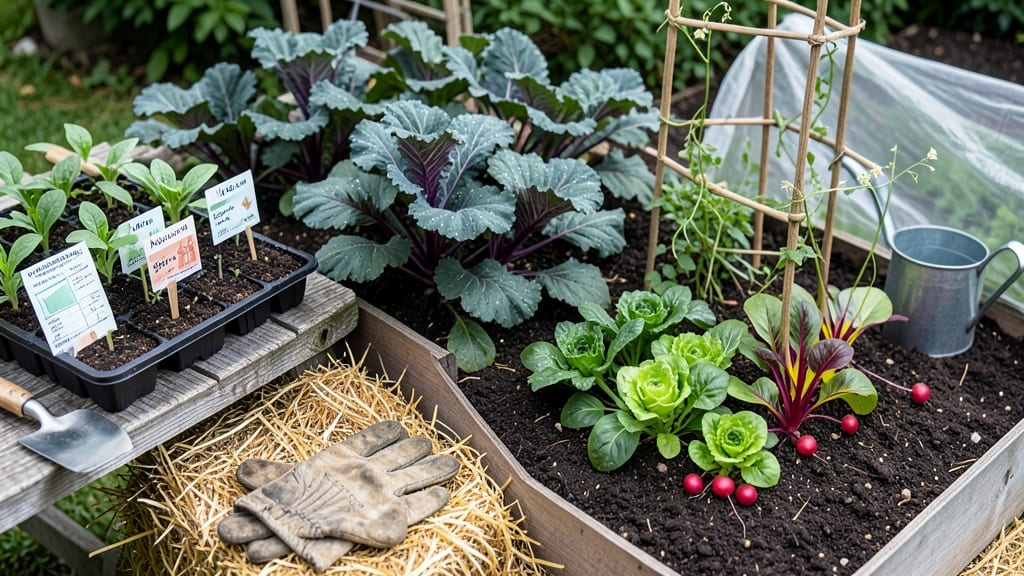
Timing your garden planting in Michigan wrong could mean the difference between a bountiful harvest and a sad pile of frost-bitten seedlings. The best time to plant a garden here isn’t just about the calendar—it’s about understanding your zone’s last frost dates and soil temperatures.
With Michigan’s 5a-6b zones, you’ve got a narrow window to get cold-hardy 🌱 General Garden Plants in the ground before Mother Nature hits you with a surprise freeze. Whether you’re growing peas in March or tomatoes in June, knowing these exact dates is your secret weapon.
I’ll break down the month-by-month schedule that works for both beginners and seasoned gardeners, so you can avoid common mistakes like planting too early or missing peak growing seasons. Let’s get those seeds in the soil at the perfect moment.
From Detroit’s earlier springs to Traverse City’s later frosts, we’ll cover everything you need to maximize your garden’s potential—no guesswork required. Ready to turn your green thumb into a harvest hero?
Michigan’s frost dates by region: when to start planting cold-hardy crops
Michigan’s USDA hardiness zones 5a-6b mean frost dates vary dramatically—sometimes by weeks—between southern Detroit and northern Traverse City. Knowing your last average frost date is critical: plant too early, and a late frost will kill tender seedlings; too late, and you’ll miss peak harvests.
For cold-hardy crops like spinach, peas, and kale, timing is everything.
Southern Michigan (zones 6a-6b) typically sees its last frost around April 15, while northern regions (zones 5a-5b) often wait until May 1. Even within these windows, microclimates matter: valleys freeze later than hilltops, and urban areas like Grand Rapids can be 3-5°F warmer than rural zones.
Always check your local frost data—not just the state average.
Here’s how Michigan’s three key regions break down for planting frost-tolerant vegetables:
| Region | USDA Zone | Avg. Last Frost | Cold-Hardy Crops | Planting Window |
|---|---|---|---|---|
| Southern MI (Detroit, Ann Arbor) | 6a-6b | April 10-15 | Spinach, peas, kale, radishes, potatoes | March 15 - April 30 |
| Central MI (Lansing, Grand Rapids) | 5b-6a | April 20-25 | Peas, lettuce, Swiss chard, onions, carrots | April 1 - May 10 |
| Northern MI (Traverse City, Marquette) | 5a-5b | May 1-10 | Potatoes, peas, kale, radishes, cabbage | April 15 - May 15 |
For warm-season crops like tomatoes, peppers, and basil, wait until two weeks after your last frost—usually May 15 in southern Michigan and June 1 in the north.
Soil temperature is just as critical: most seeds need 50°F+ soil to germinate, while transplants thrive at 60°F+. Use a soil thermometer to avoid guesswork.
Pro tip: Row covers can push your planting window 2-3 weeks earlier for frost-sensitive crops. Lay them over seedlings on cold nights (below 28°F) to protect tender greens like lettuce or broccoli. Just remove covers during the day to prevent overheating.
Michigan’s first frost typically arrives in mid-October in the south and early October in the north. This is your cue to harvest cool-season crops like Brussels sprouts and kale before they bolt.
For perennials, wait until after the first hard frost to prune—this helps them harden off for winter.
Don’t let Michigan’s unpredictable weather derail your garden. Bookmark your local frost dates, monitor weekly forecasts, and adjust your planting schedule accordingly. With the right timing, you’ll enjoy bountiful harvests from spring through fall—no gamble required. 🌱
Step-by-step planting schedule for Michigan gardens: month-by-month guide
Michigan’s growing season is short but productive—if you time your plantings right. My month-by-month schedule breaks down when to plant cool-season crops (like lettuce and peas) versus warm-season crops (like tomatoes and peppers), plus how to adjust for late frosts. Even experienced gardeners use this as their go-to guide!
Start with soil prep in early spring—amend your beds with compost and test soil pH (aim for 6.0–7.0 for most veggies). Warm the soil with black plastic mulch 2–3 weeks before planting to jumpstart growth. This is especially critical for warm-season crops that hate cold soil.
- March (Northern MI) / February (Southern MI): Plant cold-hardy crops like peas, spinach, and onions under row covers or in a greenhouse. Start indoor seedlings for tomatoes and peppers.
- April (All Regions): Direct-sow radishes, lettuce, and carrots as soon as soil is workable. Transplant broccoli and cabbage seedlings when soil hits 40°F.
- May (After Last Frost): Plant warm-season crops like beans, cucumbers, and squash. Harden off tomato and pepper seedlings for outdoor transplanting.
- June–July: Succession plant bush beans, zucchini, and basil every 2–3 weeks for continuous harvests. Watch for late frosts in northern Michigan!
- August: Start fall crops like kale, Swiss chard, and garlic. Use row covers to extend the season into October.
- September–October: Plant cover crops (e.g., clover) to protect soil and improve fertility. Harvest late-season crops before first frost.
🌱 Pro Tip: Keep a planting journal to track frost dates and adjust future schedules!
For warm-season crops, wait until the soil temperature reaches 60°F—use a soil thermometer to avoid stunted growth. In northern Michigan, this often means waiting until mid-May, while southern Michigan can start as early as late April.
Always check your local almanac for last frost dates—they vary yearly!
Don’t forget succession planting! By sowing lettuce or radishes every 2 weeks from April to July, you’ll enjoy fresh harvests all summer. This technique also works for bush beans and zucchini. For perennials like asparagus and rhubarb, plant crowns in early spring (March–April) for a 3-year harvest.
Extend your fall harvest with row covers or a cold frame. I’ve kept kale and spinach growing until November using these methods. Just remove covers during the day to prevent overheating. Garlic planted in October will naturalize and return year after year!
Finally, plan for next year by adding compost and mulch in fall. This protects your soil and gives you a head start in spring. With this schedule, you’ll maximize Michigan’s short growing season and enjoy bountiful harvests from March to October!