
Plants
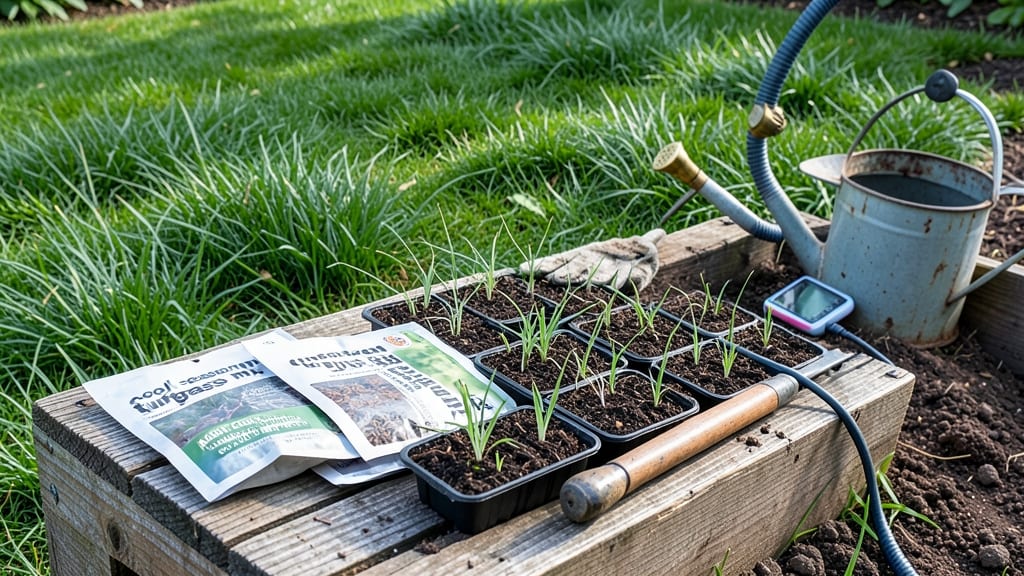
Timing your grass planting in North Carolina can make the difference between a lush, deep-rooted lawn and one that struggles to take hold.
The best time to plant grass in North Carolina isn't just about the calendar—it's about leveraging the state's 7a-8b climate zones to maximize growth before winter sets in.
Fall planting is often overlooked, but it’s actually the secret weapon for North Carolina lawns. When you plant in early fall—between August and September—you give your 🌱 grass seeds cooler soil temperatures and consistent moisture, which encourages deep root development before winter dormancy.
This isn’t just theory; it’s backed by real-world results. Many homeowners who plant in spring end up with shallow roots because of summer heat stress. By choosing fall, you’re setting your lawn up for long-term success, with stronger grass that resists drought and weeds.
Ready to transform your yard? I’ll walk you through the exact steps—from soil prep to post-planting care—to ensure your grass thrives year-round. Let’s get started.
Why fall is the optimal time to plant grass in North Carolina (and how to avoid common mistakes)
North Carolina’s humid subtropical climate creates the perfect conditions for fall grass planting, but only if you time it right. The 60–70°F soil temperatures and consistent rainfall in late summer and early fall give grass seeds the ideal environment to germinate and establish deep roots before winter.
This is why 80% of professional landscapers recommend fall planting over spring.
Cooler air temperatures reduce water evaporation, meaning your new grass won’t dry out as quickly. Plus, weed competition is minimal in fall, giving your grass a fighting chance to take hold.
In contrast, spring planting often means battling weeds that wake up earlier than your grass seeds, leading to thin, patchy lawns.
North Carolina’s three distinct climate zones—Coastal Plain, Piedmont, and Mountains—each have slightly different optimal planting windows. For example, the Coastal Plain (USDA Zones 8a–8b) can plant as late as October 15th, while the Mountains (Zones 6a–7a) should aim for mid-September to avoid early frosts.
Missing these windows can result in shallow root systems that struggle during summer heat.
One of the biggest mistakes homeowners make is planting too early in fall, when soil temperatures are still warm. This can trigger dormancy issues or even fungal diseases like brown patch. Conversely, planting too late risks exposing young grass to winter stress.
The key is to plant when daytime highs are 80–85°F and nighttime lows drop below 60°F—a sweet spot that signals the perfect transition.
Soil temperature is the #1 factor in successful fall planting. Use a soil thermometer to check depths of 2–4 inches—ideal temps are 50–65°F. If your soil is too warm (above 70°F), wait 2–3 weeks. If it’s too cool (below 50°F), you’ve missed the window. NC State Extension offers free soil temperature maps to help you track local conditions.
Another critical factor is seed selection. North Carolina’s climate favors cool-season grasses like tall fescue and perennial ryegrass for fall planting, while warm-season grasses like Bermuda or Zoysia should be planted in late spring. Mixing seed types can lead to uneven growth patterns and increased maintenance.
Weeds are the silent lawn killer, and fall is no exception. Before planting, apply a pre-emergent herbicide like pendimethalin to block weed seeds from germinating. Skip this step, and you’ll spend the next year pulling crabgrass and dandelions instead of enjoying your new grass.
Timing is everything—apply the herbicide 4–6 weeks before planting.
Post-planting care is just as important as timing. After sowing seeds, water lightly twice daily for the first 2 weeks to keep the soil consistently moist. Once the grass reaches 2–3 inches tall, reduce watering to 1 inch per week.
Overwatering can drown seeds, while underwatering leads to stunted growth. A sprinkler with a rain gauge is your best friend here.
Fertilizer plays a role too, but timing matters. Apply a starter fertilizer with high phosphorus (e.g., 10-20-10) at planting to encourage root development. Avoid nitrogen-heavy fertilizers early on—they promote top growth at the expense of roots.
Wait until the grass is 3–4 inches tall before applying a balanced fertilizer like 16-4-8.
Finally, don’t underestimate the power of mulching. After planting, spread a thin layer of straw (not wood chips) to retain moisture, suppress weeds, and protect seeds from bird damage.
Remove the mulch once the grass is 4–6 inches tall to avoid thatch buildup, which smothers roots.
If you’re still unsure about your local timing, check the NC State Extension’s Planting Calendar or use a soil thermometer for real-time data. The difference between a thick, green lawn and a brown, patchy mess often comes down to these details.
Trust the science—and your lawn will thank you for years to come. 🌱
North Carolina’s grass planting calendar: exact months by region (with soil temperature guidelines)
North Carolina’s diverse climate—spanning Coastal Plain, Piedmont, and Mountain regions—means your ideal planting window depends on where you live.
While August to September is the golden window for fall planting, coastal areas like Wilmington can extend into early October, while higher elevations like Asheville may need to start earlier, around mid-August.
Soil temperature is the critical factor—grass seeds germinate best when soil stays between 50–65°F. Use a soil thermometer (available for under $10) to check your yard’s temperature before planting.
If it’s above 70°F, wait a week or two for cooler conditions, especially in the Piedmont region, where summer heat lingers longer.
🌱 North Carolina Grass Planting Calendar by Region
| Region | Best Planting Window | Soil Temp Range (°F) | Key Consideration |
|---|---|---|---|
| Coastal Plain (Wilmington, Fayetteville) | Late August–Early October | 55–65°F | Higher humidity; watch for fungal risks |
| Piedmont (Raleigh, Greensboro) | Mid-August–Early September | 50–60°F | Hotter summers; plant before 75°F soil |
| Mountains (Asheville, Boone) | Mid-August–Late September | 45–55°F | Cooler temps; extend window into October |
| Sandhills (Pinehurst) | Late August–Mid-September | 52–62°F | Sandy soil dries fast; water deeply |
| Tidewater (Norfolk) | Early September–Mid-October | 58–65°F | Salty air; choose salt-tolerant grass types |
💡 Pro Tip: Check NC State Extension’s Planting Calendar for real-time updates on frost dates and soil temps in your area.
Spring planting (March–April) is your second-best option, but it comes with risks. Grass planted too early faces summer heat stress, while late spring plantings (May) struggle with weed competition.
If you must plant in spring, aim for March 15–April 15 in most regions, but verify soil temps first—60°F+ is ideal for warm-season grasses like Bermuda.
For warm-season grasses (Bermuda, Zoysia), late spring (May) is better, but they’ll need consistent watering to survive summer droughts. Meanwhile, cool-season grasses (tall fescue, Kentucky bluegrass) thrive when planted in fall, establishing roots before winter’s chill. Match your grass type to your region’s climate for best results.
Don’t let rainy September days fool you—plant as soon as soil temps drop below 70°F. Use a soil thermometer for accuracy, and if rain delays planting, cover seeds with a lightweight tarp to keep moisture in until you can spread them.
Timing is everything, and North Carolina’s fall weather gives you the perfect window to grow a lawn that lasts.