
Plants
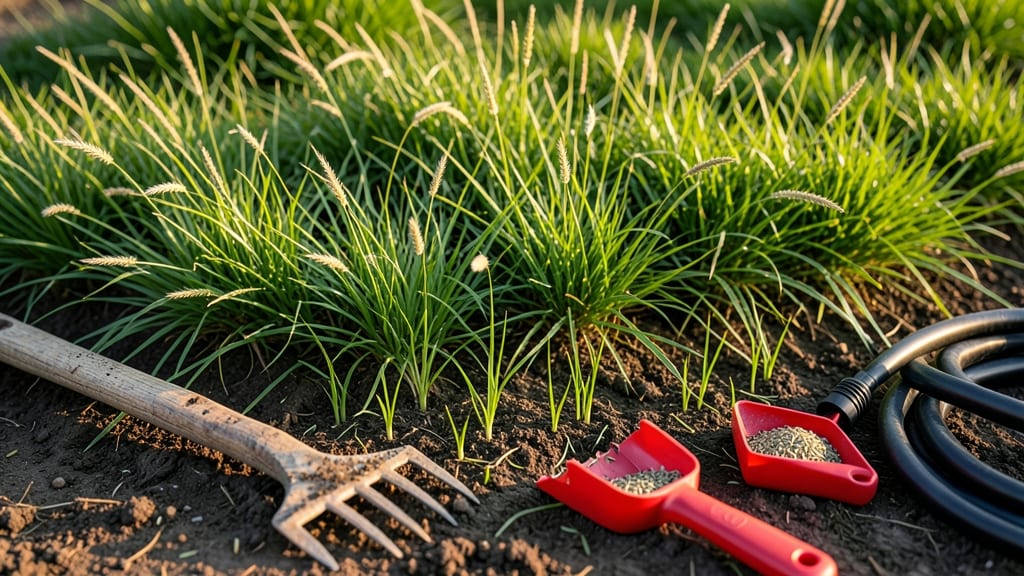
If you’ve ever stared at a patchy lawn in Pennsylvania and wondered when is the best time to plant grass seed, timing is the game-changer you’ve been missing.
The wrong window means thin grass, weeds taking over, or even wasted seed—especially in zones 5b-7a, where spring and fall weather can shift faster than a Pittsburgh forecast.
Here’s the secret: Pennsylvania’s ideal planting months hinge on soil temperature, not just the calendar. Too early (like March in Zone 5b) and roots struggle; too late (like November in Zone 7a) and frost steals your progress.
I’ll break down the exact windows for your zone, plus how to prep your soil so your grass seed doesn’t just survive—it thrives.
You’ll also discover which grass types handle Pennsylvania’s unpredictable climate best (hint: tall fescue is a local favorite) and how to spot the perfect day to plant—before weeds or drought get ahead of you. Let’s turn that bare spot into a lush lawn without the guesswork.
Ready to skip the trial-and-error? The best time to plant isn’t just a month—it’s a strategy tailored to your yard. Let’s get started.
Pennsylvania’s best grass seed planting months by USDA Zone (5a-7a)
Pennsylvania spans USDA hardiness zones 5a through 7a, meaning your ideal planting window depends on where you live. In Zone 5a (northwest PA), cool springs and early frosts demand precision, while Zone 7a (southwest PA) offers a longer fall window.
The golden rule: plant when soil stays 50°F+ for 5+ consecutive days—this triggers germination in most cool-season grasses.
Most gardeners in PA succeed with two primary windows: early spring (after last frost) and fall (4-6 weeks before first frost). However, regional microclimates—like the warmer Pittsburgh area (Zone 6b) or cooler Poconos (Zone 5a)—shift these timelines by 2-4 weeks.
For example, Erie’s clay-heavy soils may need earlier spring planting to avoid compaction.
🌱 Pro Tip: Use a soil thermometer (not air temp!) to confirm readiness. In Zone 6a (central PA), this often means late April to early May for spring or September 15-October 15 for fall.
| USDA Zone | Primary Planting Window | Soil Temp Requirement | Key Considerations | Secondary Window (Risk Factors) |
|---|---|---|---|---|
| Zone 5a (Poconos, NW PA) | Late April–May / Sept 1–Sept 15 | 50°F+ for 7+ days | Short growing season; prioritize fall | June (drought risk), Oct 16+ (frost) |
| Zone 6a (Central PA) | Early April–May / Sept 15–Oct 15 | 50°F+ for 5+ days | Balanced spring/fall windows | March (frost), Nov 1+ (weed competition) |
| Zone 7a (SW PA, Pittsburgh) | March–April / Oct 1–Nov 1 | 50°F+ for 3–5 days | Longer fall window; heat tolerance | Feb (soil too cold), Dec (dormancy) |
Spring planting in PA has one critical advantage: cooler air temperatures mean less water stress on young seedlings. However, late spring (June) is risky—seeds may dormant or dry out before establishing roots.
Fall, conversely, gives grass 6–8 weeks to root before winter, resulting in 20–30% thicker lawns the following spring.
For Zone 5a gardeners, I recommend fall planting as the safest bet. The Poconos’ short summer leaves little room for error in spring.
In Zone 7a, you can push fall planting to early November if your soil stays above 40°F—just cover seeds with straw mulch for insulation.
🌡️ Warning: Don’t rely on air temperature alone. Soil heats up 3–5°F warmer than air, especially on dark, bare patches. Test multiple spots—shady areas may stay 10°F cooler than sunny ones.
If you’re in Erie or State College, where clay soils dominate, add compost or sand before planting to improve drainage. Western PA’s limestone bedrock (e.g., near Pittsburgh) can also raise soil pH, so test and amend to 6.0–7.0 for optimal germination.
Finally, avoid planting in December—even in Zone 7a. Seeds won’t germinate in freezing soil, and winter weeds will outcompete your grass. Instead, overseed in early spring for a fuller lawn.
How to tell if your soil is ready for grass seed (Pennsylvania-specific signs)
Testing your soil before planting grass seed in Pennsylvania isn’t just guesswork—it’s the difference between a lush lawn and thin patches. Pennsylvania’s diverse climate means soil readiness varies from the Poconos’ rocky terrain to Pittsburgh’s clay-heavy ground.
Here’s how to check if your soil is truly ready for seed.
First, dig a 6-inch hole and examine the soil’s texture. Clay soils (common in western PA) feel sticky when wet and hard when dry—these need aeration before planting. Sandy soils (found in parts of central PA) drain too quickly and may require organic matter like compost to retain moisture.
Next, use your finger to check moisture levels. Press the soil—if it crumbles easily, it’s too dry. If it stays clumped, it’s too wet. Ideal soil should hold shape slightly but not be soggy. Pennsylvania’s spring rains can fool you here, so test mid-morning after overnight drying.
- Fluctuating soil temps (below 50°F at night, above 70°F during day) stunt root growth—common in April for Zone 6b.
- Heavy clay soils in western PA suffocate seeds if not aerated—skip this step and you’ll see poor germination.
- Fall planting after Sept 15 risks frost damage before roots establish in Zone 5a areas like Scranton.
Weed competition is another hidden enemy. Pull up any broadleaf weeds or crabgrass—their roots steal nutrients and shade out new grass. If your lawn has more weeds than soil, postpone planting until you’ve treated the area with a pre-emergent herbicide or hand-pulled weeds.
Finally, check for pH balance. Pennsylvania’s soil is often slightly acidic (pH 6.0–7.0). Test with a home pH kit—aim for 6.0–7.0. If your soil is too acidic (below 6.0), add lime 2–3 weeks before planting. For alkaline soil (above 7.0), work in sulfur or peat moss.
Once you’ve confirmed your soil is moist, warm, and weed-free, it’s time to plant. But remember: Pennsylvania’s weather can shift fast—always have a backup plan for late-season planting if early attempts fail.