
Plants
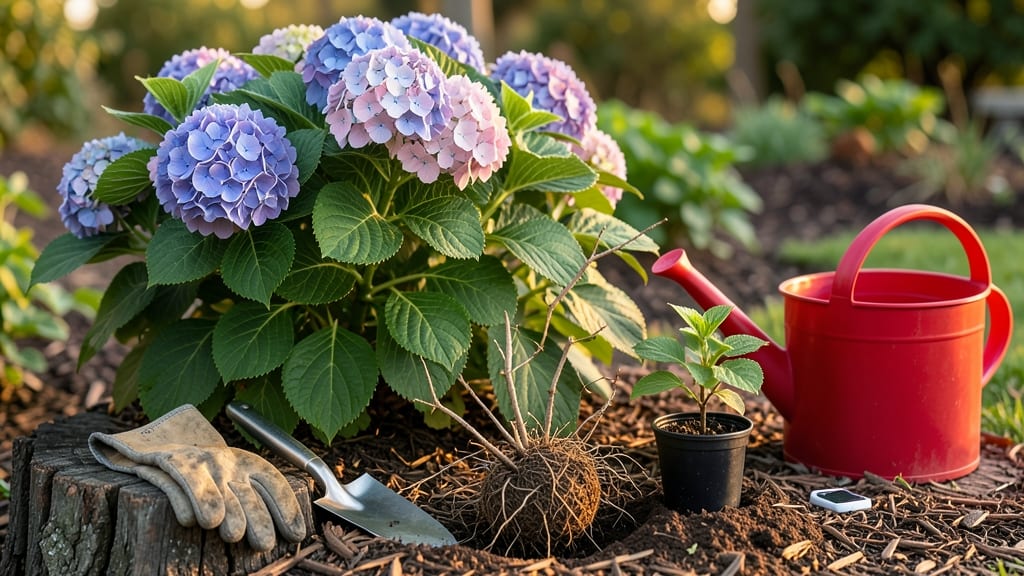
Timing your hydrangea planting in the Northeast can make the difference between a showstopping summer display and a sad, frost-bitten shrub. The best time to plant hydrangeas in this region isn’t just about the calendar—it’s about beating the last frost while giving roots time to settle before winter.
With USDA Zones 5-7 across the Northeast, your planting window varies from early spring (after last frost) to early fall (4-6 weeks before first frost). Get it wrong, and your 🌸 hydrangeas might struggle to establish before winter sets in—or worse, freeze before they even bloom.
Let’s break down the exact frost-date cheat sheet to plant with confidence.
Whether you’re prepping bare-root plants in spring or potted varieties in fall, the key is understanding your local frost dates and soil conditions. I’ll show you how to time it perfectly for zero-winter loss, plus regional tweaks for coastal vs. inland climates. No more guessing—just lush, long-lasting growth.
Ready to transform your garden? By the end, you’ll know exactly when to dig in for Bigleaf, Oakleaf, or Panicle hydrangeas—and how to prep soil for maximum bloom potential. Let’s get started.
Northeast hydrangea planting timeline by frost Zone: avoid winter loss
Timing is everything when planting hydrangeas in the Northeast. A single wrong move—like planting too early or late—can leave your shrubs vulnerable to frost damage or stunted growth. The key?
Aligning your planting with your USDA hardiness zone and last frost dates. In Zones 5-7 (typical for the Northeast), the window is tight but doable with the right prep.
Most gardeners in the Northeast swear by spring planting (after the last frost) or early fall planting (4-6 weeks before the first frost). But which is best for your hydrangea variety—Bigleaf, Oakleaf, or Panicle?
Let’s break it down by zone so you can plant with confidence and watch those blooms thrive.
⚠️ CRITICAL FACTOR: Soil temperature must stay above 50°F (10°C) for at least 2 weeks before planting. Cold soil can shock roots and delay growth.
For bare-root hydrangeas, spring planting is ideal because roots establish quickly in warming soil. If you opt for potted hydrangeas, fall planting gives roots time to settle before winter.
Just remember: Panicle hydrangeas are the hardiest and bloom on new wood, so they bounce back faster after frost.
In Zone 5, where winters are harsher, focus on spring planting and use 3-4 inches of mulch in late fall to insulate roots. In Zone 7, you can push fall planting later, but stop by October 1 to avoid root stress before the first frost.
One common mistake? Planting hydrangeas too deep. The root crown (where stems meet roots) should sit just 1 inch below soil level. Burying it deeper invites rot, while planting too shallow leaves roots exposed to temperature swings.
Need a backup plan for late frosts? Container-grown hydrangeas let you delay planting until soil warms. Just keep them in pots until May 15 in Zone 5 or April 20 in Zone 7.
🌱 REGIONAL TIP: Coastal areas (like Long Island or Cape Cod) have milder microclimates. Plant 2 weeks earlier than inland zones to take advantage of warmer ocean breezes.
Signs your Northeast hydrangeas are ready to plant (beyond the calendar)
Planting hydrangeas in the Northeast isn’t just about checking a calendar—it’s about reading your soil and weather patterns like a pro. While last frost dates are your baseline, soil temperature and bud activity tell the real story.
Cold soil can stunt root growth, while warm soil speeds up establishment. Here’s how to spot the perfect moment.
First, test your soil temperature—it should reach at least 60°F (15°C) for 10-14 days straight. Use a soil thermometer or the "finger test": push your finger 3 inches deep.
If the soil feels warm (like a lukewarm bath), it’s ready. Planting too early in chilly soil delays root development, leaving your hydrangeas vulnerable to late frosts.
Next, watch for bud swelling on your hydrangea’s stems. In early spring, buds will plump up like tiny green beads—this signals the plant is waking from dormancy.
For Oakleaf hydrangeas, look for reddish buds in late April, while Bigleaf varieties show green swelling by early May. If buds are still tight, wait.
Pay attention to weather forecasts, not just dates. A 5-day forecast of consistent warmth (above 50°F/10°C) is your green light. Check for no frost warnings in the next 2 weeks—coastal areas (like Zone 7) may warm faster than inland spots (like Zone 5).
Use the National Weather Service or local cooperative extension for hyper-local insights.
For fall planting, focus on leaf color changes in nearby trees. When maple leaves turn yellow and oaks turn red-brown (typically late September), it’s time to plant.
Soil should still be warm but not baking—ideal temps are 55-65°F (13-18°C). A 4-6 week buffer before first frost ensures roots establish before winter.
- Soil temp: 60°F+ for 10+ days (spring) or 55-65°F (fall)
- Bud stage: Swollen but not open (spring) or leaf drop (fall)
- Weather: No frost risk for 2+ weeks ahead
- Local cues: Maple/oak leaves changing color (fall) or daffodils blooming (spring)
- Root check: Bare-root plants with moist (not soggy) roots
Don’t ignore container-grown hydrangeas—they’re ready when roots circle the pot (a sign of root-bound stress). Gently squeeze the root ball: if it resists, it’s time to transplant.
For bare-root varieties, look for white, firm roots—slimy or black roots mean the plant was stored too long and should be discarded.
Pro tip: Plant Bigleaf hydrangeas 1-2 weeks earlier than Panicle types—they’re more sensitive to late frosts. Adjust for microclimates: south-facing slopes warm faster than north-facing yards. If your area has unpredictable frosts (like Zone 6), opt for fall planting to give roots a head start.