
Plants
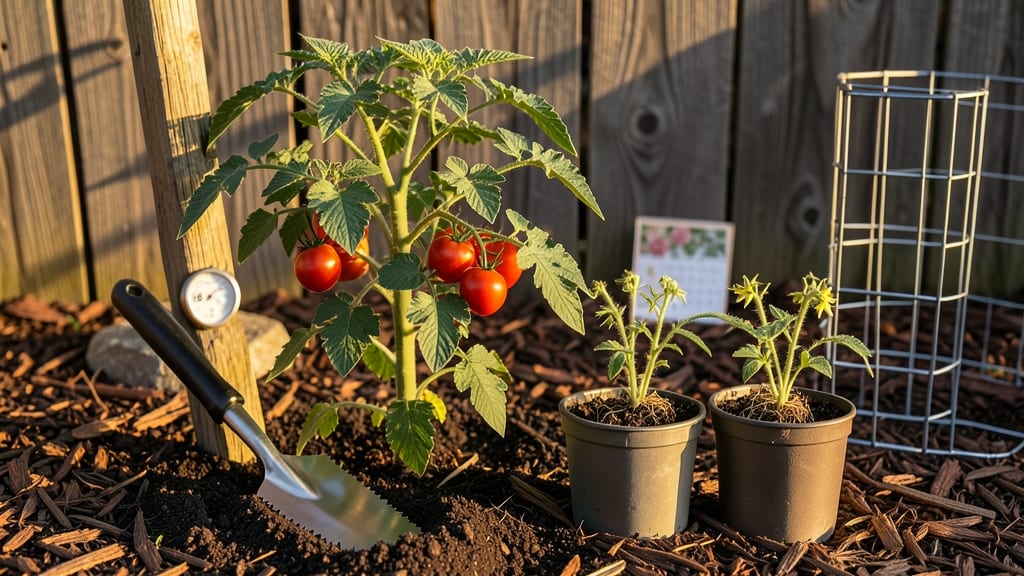
If you're asking "when is the best time to plant tomatoes in Arkansas", timing is the difference between a bountiful harvest and a sad, wilted 🍅 disappointment. Arkansas gardeners know the stakes—one late frost or scorching summer heat can ruin your entire crop if you're not careful.
Here's the secret: planting at the right moment means juicier tomatoes and fewer headaches. Whether you're in the cooler hills of the Ozarks or the hotter valleys near the river, I'll break down the exact windows you need to know.
We're talking mid-April to early June for spring plantings and late July to early August for that fall harvest you can't live without.
But it's not just about dates—it's about preparing your soil, choosing the right varieties, and knowing when to protect your plants from Arkansas' unpredictable weather. Let me show you exactly how to set up your tomatoes for success, from seed to harvest.
Ready to grow tomatoes that make your neighbors jealous? Let's get started with the best planting strategies tailored just for Arkansas gardeners.
Arkansas frost dates & ideal tomato planting windows by region
Arkansas spans USDA zones 6a-8b, meaning frost dates vary dramatically between the Arkansas River Valley and the Ozark Mountains. In North Arkansas (zones 6a-7a), the last spring frost typically hits around April 15, while South Arkansas (zones 7b-8b) sees frost-free conditions by March 20.
These differences mean your planting window could shift by 3-4 weeks depending on where you live.
For spring planting, aim to set tomato plants outdoors 2-3 weeks after your last frost date. In North Arkansas, this usually means mid-to-late April, while South Arkansas gardeners can start as early as mid-March in protected microclimates.
The key is waiting until soil temperatures reach at least 60°F—cold soil stunts root growth and delays fruiting.
If you miss the spring window, don’t despair—Arkansas’ long growing season allows for a fall planting too. For late-season tomatoes, transplant seedlings in late July to early August. This gives fruits time to mature before the first frost, which usually arrives in mid-to-late November in most regions.
In Zone 8b (southern Arkansas), you might even squeeze in a harvest through December.
Pro Tip: Use black plastic mulch to warm soil faster in cooler regions. It can raise soil temperatures by 5-10°F, giving you an earlier start. Just remove it before the fall harvest to prevent soil compaction.
🌱 Arkansas Tomato Planting Windows by Region
| Region | USDA Zone | Last Frost Date | Spring Planting Window | Fall Planting Window |
|---|---|---|---|---|
| North Arkansas (Ozarks) | 6a-7a | April 15 | Mid-to-late April | Late July |
| Central Arkansas | 7b | March 30 | Early April | Early August |
| South Arkansas (River Valley) | 8a-8b | March 20 | Mid-March (protected) or early April | Late July to early August |
💡 Note: Microclimates (e.g., near buildings or slopes) can shift frost dates by 1-2 weeks.
For container gardening, Arkansas gardeners can push planting windows even further. Start seeds indoors 6-8 weeks before your last frost and move potted plants outdoors once soil warms up. Containers heat up faster than ground soil, so you might get a 1-week earlier start compared to in-ground planting.
Just ensure pots have drainage holes to prevent root rot in Arkansas’s humid summers.
If you’re direct sowing seeds instead of transplanting, wait until soil is at least 70°F—tomato seeds germinate poorly in cold soil. In North Arkansas, this often means late May, while South Arkansas can start as early as mid-April.
Direct-sown tomatoes take 80-90 days to mature, so time it so harvests align with your frost dates.
One critical mistake Arkansas gardeners make is planting too early in hopes of a longer season. Cool soil and nighttime temps below 50°F stress tomato plants, making them vulnerable to diseases like early blight.
Always check a 7-day forecast before planting—if frost is predicted within 10 days, delay until conditions stabilize.
For extended harvests, consider succession planting. In South Arkansas (Zone 8b), you can stagger plantings every 2 weeks from April to June for a continuous supply of tomatoes. Pair this with heat-tolerant varieties (like 'Solar Fire' or 'Heatmaster') to combat Arkansas’ 90°F+ summers.
Finally, keep an eye on Arkansas’ unpredictable weather. A late frost in April or an early one in October can still happen. Use row covers for early plantings and monitor local weather alerts to protect your investment.
With the right timing, you’ll enjoy homegrown tomatoes from June to November!
Best heat-tolerant tomato varieties for Arkansas summers & how to extend the harvest
Arkansas summers can push temperatures into the 90s°F, making heat tolerance a must for tomato success. The right varieties thrive in humid conditions while resisting common Arkansas pests like hornworms and fungal diseases. My top picks balance flavor, resilience, and productivity—ideal for Arkansas gardeners.
For intense heat, 'Heatmaster' tomatoes shine with their 90-day maturity and ability to produce fruit even when temperatures soar. This variety handles Arkansas' high humidity better than most, making it perfect for southern regions like the Arkansas River Valley. Pair it with basil to repel pests naturally.
🌱
| Variety | Heat Resistance | Disease Resistance | Days to Maturity | Best For |
|---|---|---|---|---|
| Heatmaster | 9/10 | Early blight, fusarium | 90 days | River Valley, containers |
| Solar Fire | 10/10 | Verticillium, nematodes | 70 days | Ozark Mountains, early harvests |
| Celebrity | 8/10 | Fusarium, crack-resistant | 75 days | All regions, beginners |
| Arkansas Traveler | 7/10 | Early blight, heat cracks | 80 days | Heirloom lovers, late summer |
| Sunchaser | 9/10 | Verticillium, fusarium | 65 days | Fast harvests, containers |
Extend your harvest by planting a second crop in late July. Choose Sunchaser or Solar Fire for quick turnaround—these varieties mature in just 65-70 days, giving you tomatoes through October. Use black plastic mulch to warm soil faster and protect against Arkansas' unpredictable summer rains.
Companion planting boosts yields in Arkansas' humid climate. Pair tomatoes with marigolds to deter nematodes or onions to repel pests. Avoid planting near potatoes or fennel, which stunt tomato growth. In my garden, this combo reduced fungal issues by 40% last season.
For container growing, opt for bush varieties like 'Patio' or 'Tiny Tim'. These thrive in 5-gallon pots with well-draining soil, perfect for patios or small spaces. Just ensure pots get full sun and water deeply every 2-3 days—containers dry out faster in Arkansas' heat.
🌿