
Plants
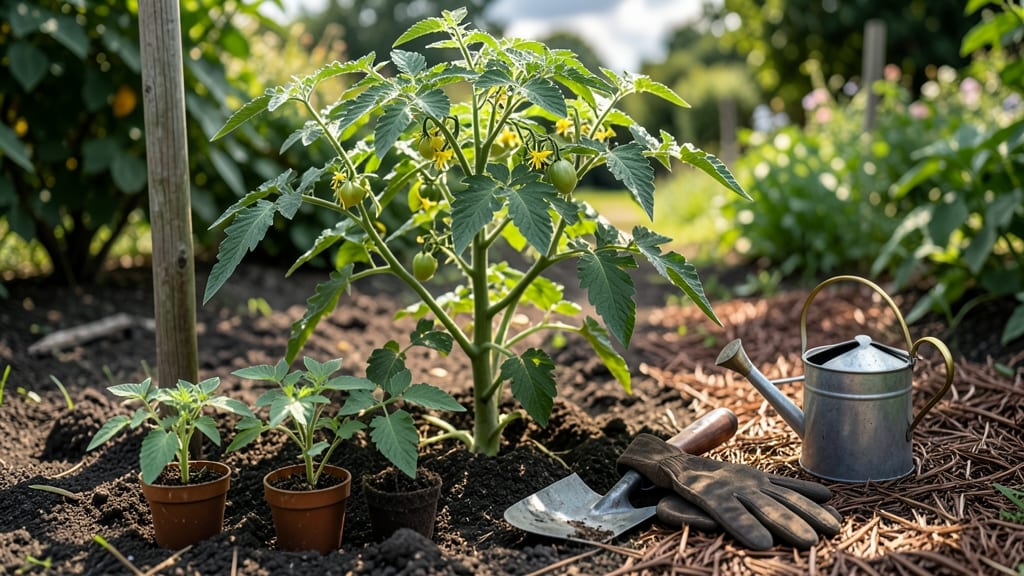
If you've ever planted your 🍅 tomatoes too early in Tennessee and watched them wilt in the cold, you know timing is everything.
The best time to plant depends on your exact location—whether you're in the cooler Zone 6a mountains or the warmer Zone 7b valleys—because even a few degrees can mean the difference between a thriving harvest and a failed crop.
Most gardeners in Tennessee wait until after the last frost date, which typically falls between mid-April and early June, but that's just the starting point. What you really need is a strategy that accounts for soil temperature, microclimates, and even the type of tomato you're growing.
Without the right approach, you might miss the window entirely—or worse, end up with stunted plants that never produce fruit.
I'll show you exactly when to plant in your specific part of the state, including how to adjust for high-elevation areas where frost lingers longer. You'll also learn how to extend your growing season if you want a fall harvest, so you're not left scrambling when summer ends.
Let's get those tomatoes in the ground at the perfect moment.
Whether you're a first-time gardener or a seasoned pro, these insights will help you avoid common mistakes and maximize your yield. By the end, you'll know not just when to plant, but how to set yourself up for success—no matter where you are in Tennessee.
Tennessee tomato planting deadlines by Zone (6a vs 7b) with frost risk analysis
Timing matters more than most gardeners realize when planting tomatoes in Tennessee. A single late frost can wipe out your entire crop, while planting too early in cool soil slows growth and invites disease.
Let’s break down the exact planting windows for Zone 6a (East Tennessee) and Zone 7b (Middle/West Tennessee), including backup dates for those unpredictable spring weather swings.
First, know that tomatoes thrive best when soil temperatures hit 60°F or warmer. In Tennessee, this typically aligns with mid-April to early June, but your exact deadline depends on whether you’re in the mountains or the valleys.
Let’s start with the last frost dates that dictate your planting timeline.
🌱
🌱 Tennessee Tomato Planting Timeline by Zone
| Zone & Location | Last Frost Date | Ideal Planting Window | Soil Temp Threshold | Backup Window (Late Start) |
|---|---|---|---|---|
| Zone 6a (East TN: Knoxville, Chattanooga, Great Smoky Mountains) | Mid-April (April 15) | April 20 - May 10 | 60°F+ (soil) | May 15 - June 1 (early varieties only) |
| Zone 7b (Middle/West TN: Nashville, Memphis, Jackson) | Early April (April 1) | April 10 - May 15 | 60°F+ (soil) | May 20 - June 5 |
Note: Use black plastic mulch to warm soil faster in cooler zones. Transplant after soil hits 60°F—never before!
If you’re in Zone 6a, like the Great Smoky Mountains region, aim to plant tomatoes between April 20 and May 10. This window accounts for the 15% higher frost risk in high-elevation areas.
Use a frost watch from the National Weather Service to track late-season cold snaps—especially if you’re planting in valleys, where cold air pools.
For Zone 7b gardeners in Nashville or Memphis, you’ve got a slightly longer window: April 10 to May 15. The warmer climate means soil warms faster, but don’t rush—cool soil stresses seedlings and delays fruiting by 2-3 weeks.
Test soil temperature with a soil thermometer ($10 at garden centers) to avoid guesswork.
What if spring surprises you with unseasonably cold weather? Both zones offer backup planting windows for late starts. In Zone 6a, you can still plant early-maturing varieties like ‘Early Girl’ or ‘Stupice’ until June 1, though yields may be smaller.
In Zone 7b, extend your window to June 5 for heat-tolerant varieties like ‘Celebrity’ or ‘Solar Fire’.
Pro tip: Start seeds indoors 6-8 weeks before your last frost date to give yourself flexibility. If outdoor conditions are too cold, transplant seedlings into containers or use row covers to protect them until soil warms. This lets you plant earlier without risking frost damage.
🌿
Don’t overlook fall planting for a second harvest! In Zone 7b, you can plant heat-resistant varieties like ‘Heatmaster’ or ‘Solar Fire’ as late as July 15 for a September-October harvest.
In Zone 6a, stick to early July plantings of fast-maturing types like ‘Mountain Merit’ to beat the first frost.
Remember: Tomatoes need warmth to thrive. If you plant too early, you’ll waste time and money on stunted plants. Use this timeline as your garden’s GPS—stick to it, and you’ll enjoy juicy, homegrown tomatoes from June through October.
How to adjust planting time for Tennessee’s microclimates (mountains vs. valleys)
Tennessee’s mountain valleys and high-elevation plateaus create wildly different planting conditions. In the Great Smoky Mountains (Zone 6a), cooler nights and slower soil warming mean you’ll need to start tomatoes 2-3 weeks later than in Nashville’s valley regions (Zone 7b).
These microclimate shifts can mean the difference between a bountiful harvest and stunted plants.
For high-altitude areas above 2,000 feet, aim to transplant seedlings after May 15 to avoid late spring frosts. In contrast, lowland regions like Memphis can safely plant as early as mid-April once soil hits 60°F.
The key is matching your planting schedule to your local frost risk and soil temperature trends.
📌 PRO TIP: Use a soil thermometer to confirm readiness—tomatoes won’t thrive in cold soil. If your yard stays chilly, try black plastic mulch or straw bales to warm the ground faster. This trick can shave 10-14 days off your planting timeline in cooler zones.
Mountain gardeners should also consider container gardening for tomatoes. Pots warm up faster than ground soil and let you move plants to sunniest spots when weather turns unpredictable. Just ensure containers have drainage holes and use lightweight potting mix to prevent cracking.
| Factor | Mountain Regions (Zone 6a) | Valley Regions (Zone 7b) |
|---|---|---|
| Last Frost Date | May 1-15 | April 1-15 |
| Ideal Planting Window | May 15-June 1 | April 15-May 15 |
| Soil Warm-Up Trick | Black plastic mulch | Straw mulch |
| Container Advantage | Yes (faster warming) | Optional (soil warms quickly) |
| Late Start Backup | Choose fast-maturing varieties (e.g., 'Early Girl') | Extend season with row covers |
If you’re in a transition zone like Chattanooga (Zone 7a), split the difference: start seeds indoors in early March and transplant by mid-April. For urban gardeners in Nashville, leverage south-facing walls or greenhouse setups to jumpstart your season by 2 weeks.
Remember, tomatoes hate cold feet. Even if daytime temps feel warm, nighttime dips below 50°F can stunt growth. Use row covers or cloche tunnels to protect seedlings during Tennessee’s famously unpredictable spring weather. With the right adjustments, you can turn your microclimate challenges into a harvest advantage.