
Plants
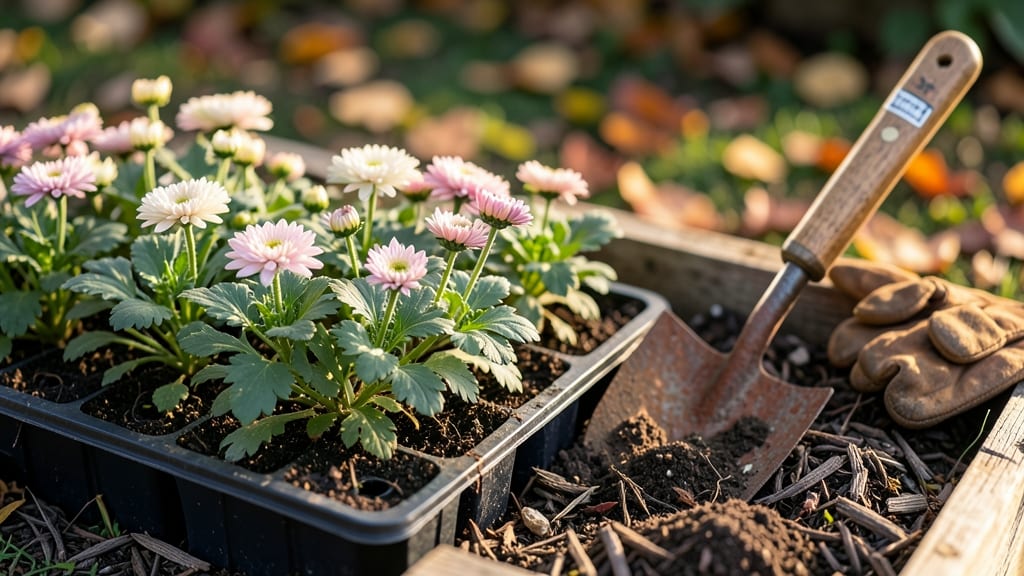
If you’ve ever planted Mums 🌼 and wondered when should you plant mums in the ground for the best blooms—or watched them struggle to survive winter—you’re not alone. The key to vibrant fall color lies in planting them at the perfect moment, and timing is everything.
For gardeners in USDA Zone 6a (and beyond), the ideal window is late summer to early fall, about 4-6 weeks before your first frost. This gives roots time to establish before cold sets in, ensuring those cheerful blooms return next season.
But get it wrong, and you might end up with weak plants or no flowers at all.
I’ll walk you through the exact timing, soil prep, and care tips to guarantee your Mums thrive—whether you’re planting in-ground or containers. Let’s make sure your garden stays colorful long after summer fades.
Ready to unlock the secret to year-round blooms? The clock is ticking—literally—and the best time to plant is now.
Optimal planting windows for mums by US hardiness zones
Mums (chrysanthemums) thrive when planted at the right time, and the USDA hardiness zone where you live plays a huge role in determining the perfect window. In most regions, late summer to early fall is ideal—typically 4-6 weeks before your first frost date.
This timing lets roots establish before winter while ensuring blooms arrive just as summer fades into fall.
For example, in zones 3-5 (northern climates), aim for mid-August to early September to avoid early frosts. In zones 6-8 (mid-Atlantic and southern states), you can stretch planting until late September or early October.
Meanwhile, zones 9-10 (mild winters) can plant mums as late as November—just be mindful of seasonal rains.
Here’s the key rule: Plant mums when daytime temperatures average 60-70°F (15-21°C). This warmth encourages root growth without stressing the plant. If you’re in a cooler microclimate (like a high-altitude garden), plant earlier—even if your zone suggests late fall.
🌱 Summary Table: Best Planting Times for Mums by Zone
| Zone | Ideal Planting Window | Soil Temp Goal (°F) | Notes |
|---|---|---|---|
| 3-5 | Mid-August to early September | 55-65°F | Early frost risk; use mulch |
| 6-8 | Late August to mid-October | 60-70°F | Flexible; avoid late Oct |
| 9-10 | September to November | 65-75°F | Mild winters; plant later |
⏰ Pro Tip: Check your local first frost date (use the Old Farmer’s Almanac) and count backward 6 weeks.
If you’re planting potted mums (common in garden centers), they’re often pre-blooming and can handle a slightly later transplant—even as late as September in zones 6-8. However, bare-root mums need that 4-6 week buffer to establish roots.
For both types, avoid planting when soil temps drop below 50°F (10°C), as this slows root growth.
Another critical factor is daylight length. Mums bloom in response to shorter days, so planting them too early (e.g., June or July) can trigger premature blooming, weakening the plant before winter.
This is why late summer is the sweet spot—enough time for roots to settle before the rush to bloom.
For container gardening, the rules are similar, but containers warm up faster in spring. If you’re in zone 5 or colder, plant container mums in early August and move them to a sheltered spot (like a garage) before frost.
In warmer zones (7+), you can leave them outdoors year-round with a thick mulch layer.
One common mistake? Assuming spring planting works for mums. While it’s possible in zones 9-10, most varieties won’t bloom until the following year. For instant fall color, stick to late summer/early fall planting. Even in mild climates, spring-planted mums often struggle with heat stress before they can establish.
Finally, if you’re in a transition zone (like zone 7b), err on the side of earlier planting. A sudden cold snap can kill young mums, so having a 2-week cushion before your average frost date is smart.
Use a soil thermometer to confirm temps are above 55°F (13°C) before planting.
🌼
How to tell if you’re planting mums too early or too late
Planting mums at the wrong time can turn your fall color dreams into wilted disappointment. Too early, and they’ll bolt or struggle; too late, and frost will nip them before blooming.
Here’s how to spot the signs of poor timing and salvage your mums if you’ve already planted them outside the ideal window.
Watch for yellowing leaves or stunted growth—these are red flags. If your mums look leggy or sparse, they may have stretched too much for light before being planted. Conversely, if they’re slow to bloom or show frost damage (brown, mushy stems), you’ve likely planted them too late.
Soil temperature is your best clue. Mums thrive when soil stays above 50°F (10°C). Use a soil thermometer to check—if it’s cooler, delay planting. Daylight hours matter too: mums need 10-12 hours of light daily to bloom well. If days are shortening too fast, your plants may struggle.
🌼 Callout-Warning: 🌼
- Bolting: Stems elongate rapidly, flowers appear too soon (smaller blooms).
- Fungal risk: Cool, wet soil encourages root rot or powdery mildew.
- Weak roots: Plants may not establish before winter, leading to frost damage.
If you’ve planted too late, don’t panic. Hardy mums can often recover with protective measures. Cover plants with frost cloth on chilly nights, and water deeply before frost to help roots harden.
In USDA Zones 3-5, aim to plant at least 4-6 weeks before the first frost—any later, and blooms may suffer.
Check your local frost dates (use the National Weather Service or Old Farmer’s Almanac) and adjust your timeline. For example, in Zone 7, early September is ideal, while Zone 10 can plant until late October. Container-grown mums are more flexible—they can handle slightly later planting than bare-root varieties.
For salvaging late-planted mums, focus on root health. Trim any damaged foliage, apply a balanced fertilizer (like 10-10-10), and mulch with 2-3 inches of straw to insulate roots. Even if blooms are smaller, your mums may still survive and rebound next season with proper care.