
Plants
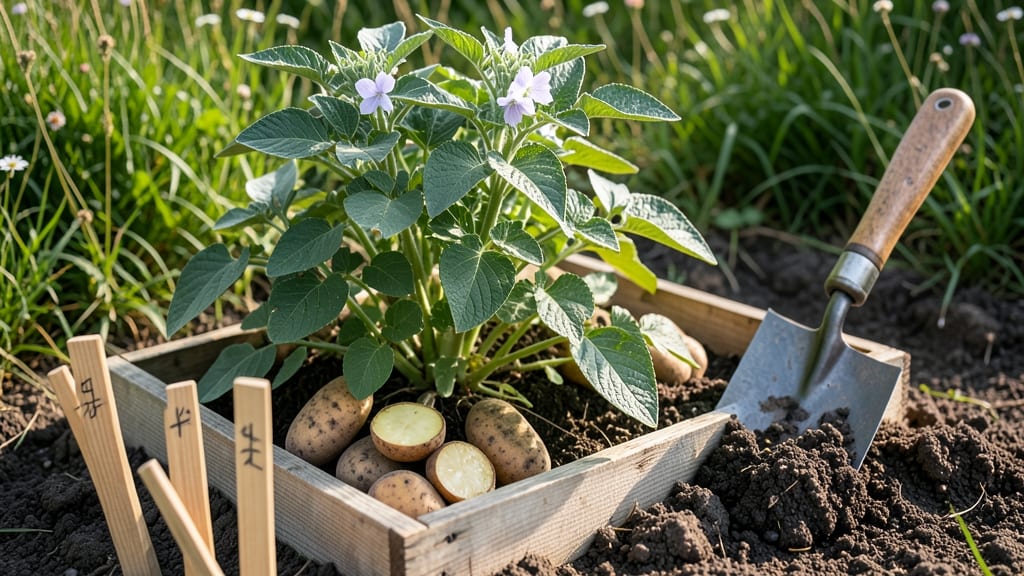
When should you plant potatoes in Pennsylvania? Timing your 🥔 potato planting in Pennsylvania could mean the difference between a bountiful harvest and a disappointing one. With USDA Zone 6a's unpredictable frost dates—typically around mid-April—getting the timing right is key to avoiding frost damage or missed growth windows.
Most gardeners in Pennsylvania aim to plant their seed potatoes 2-4 weeks before the last frost date, when soil temperatures hit 45°F. This window usually falls between early March and April, but regional variations mean gardeners in Erie may need to adjust differently than those in Philadelphia.
Why does this matter? Planting too early risks frost damage to tender sprouts, while waiting too long can stunt tuber development. The good news? With the right preparation—like choosing cold-hardy varieties and monitoring soil conditions—you can extend your growing season and maximize your yield.
In this guide, I'll break down the exact planting timeline for Pennsylvania, including soil prep tips, frost-proofing strategies, and how to avoid common mistakes that can derail your harvest. Let's get those spuds in the ground the right way!
Pennsylvania planting zones & frost dates: the exact timeline for potato success
Pennsylvania spans USDA hardiness zones 4b through 7a, but most gardeners focus on zones 5a-6b for potato growing. The last spring frost varies dramatically—from early April in Erie (Zone 6a) to late May in Poconos (Zone 5a).
This variation means your planting window shifts by 6-8 weeks depending on location.
For optimal tuber formation, plant when soil temperatures reach 45°F (7°C)—this typically occurs 2-3 weeks before last frost. In Pittsburgh (Zone 6a), aim for early April, while Philadelphia (Zone 7a) gardeners can start in late March.
Always verify local frost dates using Penn State Extension’s frost calculator or the National Weather Service.
Here’s the critical planting window by region, including city-specific averages:
| Region | USDA Zone | Last Frost Date | Ideal Planting Window | Soil Temp Goal |
|---|---|---|---|---|
| Erie | 6a | April 10 | March 20–April 5 | 45°F (7°C) |
| Pittsburgh | 6b | April 15 | March 25–April 10 | 45°F (7°C) |
| Harrisburg | 6b | April 12 | March 20–April 5 | 45°F (7°C) |
| Allentown | 6b | April 14 | March 25–April 10 | 45°F (7°C) |
| Philadelphia | 7a | April 20 | March 15–April 5 | 45°F (7°C) |
| Poconos | 5a | May 5 | April 15–May 1 | 45°F (7°C) |
Microclimates can shift your planting window by 1-2 weeks. For example, urban heat islands in Philadelphia may allow earlier planting, while valley locations like Johnstown often experience later frosts. Use a soil thermometer to confirm readiness—45°F (7°C) at 4-inch depth is non-negotiable for tuber initiation.
Pro tip: Chit your seed potatoes (expose them to light for 2-4 weeks before planting) to jumpstart sprouting. This gives you a 2-week head start on growth once soil warms. Store them in a cool, bright location (like a sunny windowsill) to encourage even sprouting.
For late-season varieties (e.g., Kennebec or Russet), you can also plant a second crop in early June for a fall harvest. These 100-day varieties mature quickly enough to avoid early frosts in most of PA. Just be prepared to harvest before first frost (typically October 15 in Zone 6).
If you’re in Zone 5a (Poconos), consider cold-hardy varieties like Yukon Gold or Red LaSoda. These tolerate light frosts and can handle planting as late as May 1 while still yielding well. Always mul
How to extend your potato growing season in Pennsylvania’s unpredictable climate
Pennsylvania’s cool springs and late frosts can derail even the most eager gardener’s potato plans. But with the right strategies, you can protect your crop and enjoy a bountiful harvest. The key is combining frost-tolerant varieties, season-extending tools, and smart planting techniques.
Whether you're in Erie’s Zone 5b or Philadelphia’s Zone 7a, these methods will help you beat Mother Nature’s curveballs.
First, focus on cold-hardy potato varieties that thrive in Pennsylvania’s climate. Varieties like Yukon Gold and Kennebec are top performers, but others like Red Pontiac and LaSoda also handle cooler temperatures well.
These varieties can sprout at lower soil temperatures (as low as 40°F) and tolerate light frosts once established. For extra protection, pair them with row covers or black plastic mulch to warm the soil faster.
Here’s how to maximize your growing window with practical, proven techniques:
- Yukon Gold: Handles 45°F soil, great for early planting (March). Yields 3-4 lbs per plant.
- Kennebec: Disease-resistant, thrives in cool, wet springs. Ideal for succession planting.
- Red Pontiac: Early maturing (80 days), tolerates light frosts after sprouting.
- LaSoda: Organic-friendly, grows well in Zone 5-6 with row covers.
- Adirondack Red: Cold-hardy, rust-resistant, perfect for northern PA.
Another game-changer is succession planting. Instead of betting everything on one planting window, stagger your seed potatoes every 2-3 weeks from early April through mid-May. This ensures a continuous harvest and reduces the risk of losing your entire crop to a single late frost.
For example, plant half your seed potatoes in early April (when soil hits 45°F) and the rest in late April or early May. This way, even if the first batch gets nipped by frost, the later plantings will still thrive.
For gardeners in Zone 5 or colder, consider using row covers or low tunnels to create a microclimate. These tools can raise soil temperatures by 5-10°F and protect young plants from light frosts.
Simply drape a floating row cover over your potato hills after planting and remove it once the plants reach 6 inches tall. If you’re dealing with a hard frost warning, cover the plants again for a few days until temperatures rise.
This method works especially well for late-season varieties like Russet Burbank.
Don’t overlook the power of soil warming. If your spring is particularly chilly, try black plastic mulch or straw mulch to absorb sunlight and raise soil temperatures faster. Lay the mulch 2-3 weeks before planting to give the soil a head start.
You can also plant potatoes near warm-season crops like corn or beans, which naturally heat the soil as they grow. Just be sure to rotate crops next year to avoid disease buildup.
Finally, keep an eye on local frost forecasts and be ready to act. The National Weather Service and Penn State Extension provide 10-day outlooks that can help you time your plantings and protect your crop.
If a frost is predicted after planting, cover your potatoes with straw or burlap to insulate them. With these strategies, you’ll turn Pennsylvania’s unpredictable climate into an advantage and enjoy a longer, more reliable harvest.