
Plants
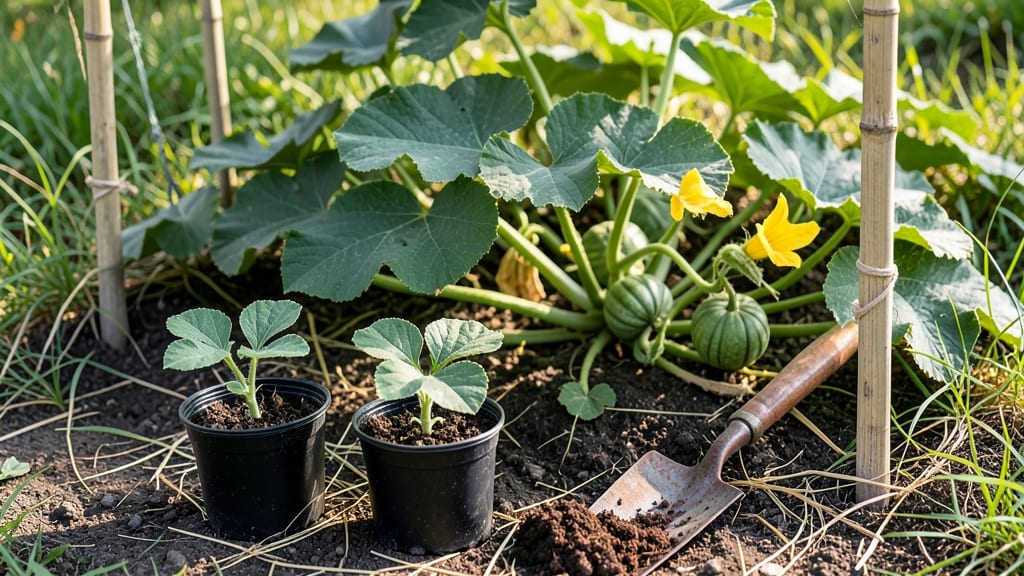
Planting your pumpkins at the wrong time in Ohio could mean the difference between a thriving 🎃 harvest and wasted seeds—especially when soil temperatures and frost dates play such a critical role.
The key to fast germination and strong vines lies in understanding your local climate zone (6a-6b) and planting when the ground reaches that sweet spot of 55-60°F.
Ohio’s spring weather can be as unpredictable as a rollercoaster, so timing matters more than you might think. If you wait too long, your pumpkins won’t have enough time to mature before the first frost hits in mid-October.
But planting too early? Your seeds might rot in cold soil, leaving you starting over.
I’ve dug into Ohio State University Extension data to break down the perfect planting window for your region—whether you’re in northern, central, or southern Ohio. You’ll learn exactly when to pop those seeds into the ground for fast germination and how to adjust for clay-heavy soils that slow things down.
Ready to avoid the common mistakes that trip up even experienced gardeners? Let’s dive into the soil temperature checklist and frost date secrets that’ll set you up for a bumper crop before fall arrives.
Ohio pumpkin planting calendar: soil temperature & frost date guide
Ohio’s variable climate makes pumpkin planting timing tricky, but understanding your USDA Zone (6a-6b) and soil temperatures is key. Most Ohio gardeners wait until after the last frost date—typically mid-April to early May—but soil warmth matters more than calendar dates.
Pumpkin seeds need consistent 70°F+ soil to germinate reliably, which usually means waiting until late May or early June in northern Ohio.
Southern Ohio’s milder springs may allow earlier planting, but early starts risk cold snaps that stunt seedlings. Check your local Ohio State University Extension frost maps or use a soil thermometer to confirm readiness.
I’ve planted in early May only to watch seedlings rot during a 50°F night—don’t make my mistake!
Here’s your Ohio pumpkin planting timeline broken down by region, with soil temp thresholds and frost-free windows to maximize your harvest before first frost (mid-October).
| Region | Last Frost Date | Ideal Planting Window | Soil Temp for Germination | Harvest Window | Frost-Free Days |
|---|---|---|---|---|---|
| Northern Ohio (e.g., Cleveland, Toledo) | Mid-April to early May | Late May to early June | 70°F+ (consistently) | Late September to early October | 150-160 days |
| Central Ohio (e.g., Columbus, Dayton) | Early to mid-April | Early to mid-May | 65°F+ (minimum) | Mid-September to mid-October | 160-170 days |
| Southern Ohio (e.g., Cincinnati, Lexington) | Late March to early April | Late April to early May | 60°F+ (minimum) | Late August to late October | 170-180 days |
For fastest germination, aim to plant when your soil hits 70°F—this typically aligns with late May in northern Ohio and early May in southern Ohio. I’ve found that direct-seeding (not transplanting) works best, as pumpkin seedlings hate root disturbance.
Use a soil thermometer for 3 consecutive days at 70°F+ before planting to avoid slow, uneven sprouting.
If you’re eager to start earlier, try biodegradable seed pots indoors under grow lights 4-6 weeks before your last frost date. Transplant seedlings when they’re 2-3 inches tall and soil is 60°F+. Just remember: transplanted pumpkins may take 2-3 weeks longer to mature than direct-sown seeds.
Ohio’s short growing season means you’ll need fast-maturing varieties (75-90 days) to beat frost. Howden and Jack Be Little are my top picks for northern Ohio, while Cinderella or New England Pie work well in southern Ohio.
Always check seed packets for days to maturity and count backward from your average first frost.
Pro tip: Mulch heavily after planting to retain soil heat and prevent crusting—Ohio’s clay-heavy soils can suffocate seedlings if they dry out. I use straw mulch 2-3 inches thick around plants to lock in moisture and keep roots cool during summer heatwaves.
Finally, mark your calendar for September 1st—this is when I start monitoring pumpkin maturity in Ohio. If your pumpkins aren’t hard-skinned by mid-October, they’ll rot on the vine when frost hits. Harvest before frost, even if they’re not fully ripe!
Ohio pumpkin planting calendar: soil temperature & frost date guide
Ohio’s three distinct climate zones—North, Central, and South—mean your pumpkin planting window can vary by 2-3 weeks. The key is waiting for soil temperatures to hit 55-60°F for germination, but 70°F+ for faster growth.
Northern Ohio gardeners should aim for mid-May, while Southern Ohio can start as early as late April.
Use Ohio State University’s frost date maps to guide your timing. The average last frost date ranges from April 15 (South) to May 10 (North). Planting too early risks seed rot in cold, damp soil, while waiting too long cuts your harvest window before frost.
| Region | Last Frost Date | Ideal Planting Window | Soil Temp Threshold |
|---|---|---|---|
| Northern Ohio | May 10 | Mid-May to early June | 70°F+ |
| Central Ohio | April 25 | Late April to mid-May | 65°F+ |
| Southern Ohio | April 15 | Late April to early May | 60°F+ |
For fastest germination, use a soil thermometer to monitor temperatures. Ohio’s clay-heavy soils retain heat longer, so Northern Ohio gardeners can sometimes plant 1 week earlier than the average frost date suggests. If you’re unsure, opt for transplants instead of seeds—they tolerate cooler soil better.
Pro tip: Direct-sow seeds after your last frost date for strongest vines. If you plant too early and face a late frost, cover seedlings with floating row covers or old bedsheets to protect tender growth. This 2-3 day buffer can save your entire crop.
Remember, Ohio’s first frost typically arrives around October 15, giving you a 165-day growing season. Plan to harvest by mid-October for the best results—immature pumpkins won’t ripen after picking, and frost ruins the flavor.
For extra insurance, plant a second batch of fast-maturing varieties like ‘Jack Be Little’ in early July. This gives you a second harvest window before winter sets in. Just be prepared to extend your season with row covers if needed.