
Planting
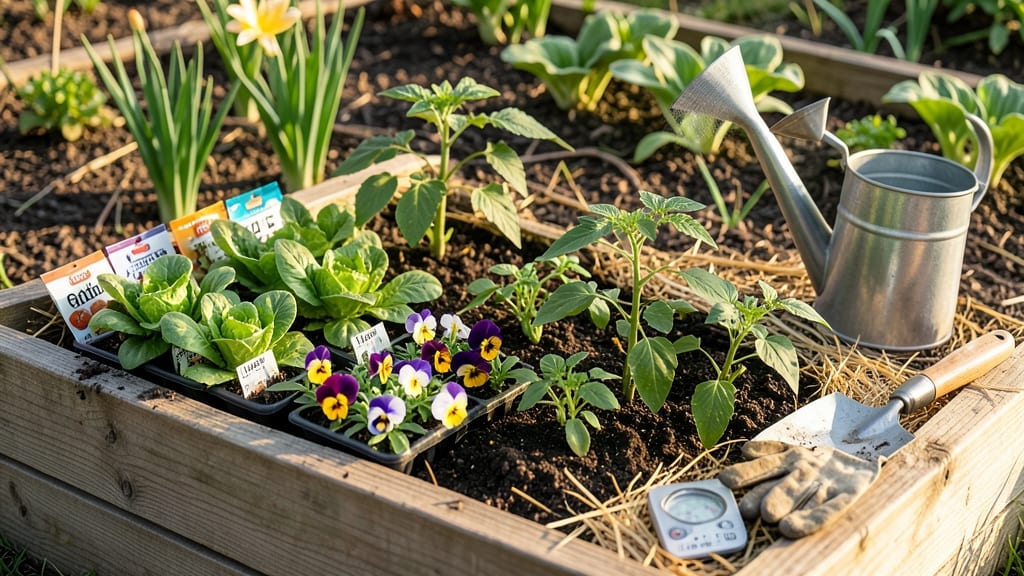
When to plant a garden in Cleveland, Ohio isn’t just about following a calendar—it’s about beating the unpredictable frost that can turn your hard work into a sad, wilted mess. With Zone 6a’s last frost typically landing between April 15 and May 15, waiting too long means missed harvests, while planting too early risks frozen seedlings. The good news? A little local knowledge can turn those frost dates into a golden window for your 🌱 General Garden Plants.
I’ve spent years watching Cleveland’s weather patterns, and the secret to success isn’t guessing—it’s understanding how Lake Erie’s influence can shift frost dates by a full week in some areas.
Whether you’re dreaming of juicy tomatoes or crisp lettuce, knowing when to sow your seeds (and which varieties thrive here) makes all the difference. Let’s break down the exact planting deadlines you need to avoid common mistakes and maximize your garden’s potential.
From cold-hardy peas in early spring to heat-loving peppers in summer, Cleveland’s 165-day growing season offers plenty of room for mistakes—but only if you don’t plan ahead. I’ll show you how to adjust your schedule based on microclimates, extend your season with simple tricks, and even salvage a late start.
Ready to turn your garden dreams into reality? Let’s get started.
This isn’t just theory—it’s a step-by-step guide backed by real data from Cleveland’s gardeners. Whether you’re a first-timer or a veteran, you’ll walk away with a clear timeline, actionable tips, and the confidence to plant like a pro.
No more second-guessing—just a thriving garden that keeps giving all season long.
Cleveland Ohio frost dates by season: last spring frost & first fall frost timeline
Cleveland’s Zone 6b climate creates a delicate balance between unpredictable frost and short growing seasons. The average last spring frost typically arrives between April 15 and May 15, but this can shift dramatically year to year.
In 2023, for example, the last frost hit May 3, while 2022 saw it linger until May 18. These fluctuations mean your planting windows can shift by weeks—so flexibility is key.
For fall planting, the first frost usually arrives between October 10 and November 5. This 165-day frost-free window is critical for planning warm-season crops like tomatoes and peppers. However, microclimates near Lake Erie can delay frost by 1-2 weeks, giving gardeners in those areas a slight advantage.
Always check local NOAA frost maps or Cleveland Botanical Garden updates for real-time adjustments.
Here’s how to use these frost dates to your advantage: Cold-hardy crops like spinach and peas can go in the ground 4-6 weeks before the last frost, while warm-season plants should wait until 2 weeks after the average last frost date.
For example, if your last frost is May 1, plant tomatoes after May 15 to avoid frost damage.
| Season | Frost Event | Average Date Range | Planting Action |
|---|---|---|---|
| Spring | Last Spring Frost | April 15–May 15 | Plant warm-season crops 2 weeks after |
| Spring | Soil Warms to 60°F | Late April–Early May | Plant peppers & eggplants (sensitive to cold) |
| Fall | First Fall Frost | October 10–November 5 | Harvest warm-season crops before frost |
| Fall | 4-6 Weeks Before Frost | Late July–Early September | Sow cool-season crops (kale, carrots) |
Pro tip: Use frost-sensitive plants like tomatoes and peppers as your guide. If you plant them too early, a late frost will kill them outright. To hedge your bets, start these plants indoors 6-8 weeks before the last frost and transplant after the May 15 safety mark.
This gives you a buffer if spring decides to linger.
For perennials and shrubs, timing matters less, but planting in spring (April–May) gives roots time to establish before winter. Avoid fall planting for these unless you’re in a sheltered microclimate, as new roots struggle to harden off before frost.
Cleveland’s Lake Erie effect can create localized frost pockets, especially in low-lying areas. If you’re near the lake, you might enjoy 1-2 extra weeks of growing season. Conversely, inland areas can experience earlier frosts. Always scout your garden’s microclimate by monitoring nearby weather stations or asking local gardeners.
To stay on top of frost dates, bookmark the NOAA Cleveland Frost Data or use apps like Frost Freeze. These tools send alerts when frost is forecasted, giving you time to cover tender plants or harvest before damage.
I’ve used these tools for years, and they’ve saved my tomato plants more times than I can count!
Remember: Frost dates are averages, not guarantees. In 2018, Cleveland saw frost as late as May 25, while 2019 had an early frost on October 3. Plan for flexibility—always have row covers and cold frames on hand to extend your season when needed.
Finally, keep a gardening journal to track your local frost dates. Over time, you’ll spot patterns unique to your yard’s microclimate. For example, my south-facing garden stays frost-free 3-5 days longer than my north-facing beds. Adjust your planting schedule accordingly!
Best planting schedule for Cleveland gardens: what to sow when by month
Cleveland’s short but sweet growing season demands precision—planting too early risks frost damage, while waiting too long cuts harvests short. My month-by-month schedule aligns with Cleveland’s Zone 6b climate, using NOAA frost data and local gardener feedback to maximize your yield.
Start with cold-hardy crops in early spring, then transition to heat-lovers by late May.
For March (Zone 6b’s earliest window), focus on cool-season veggies like spinach, peas, and lettuce. These tolerate light frosts and even thrive in 32°F soil temps.
Harden off transplants (tomatoes, peppers) indoors now—they’ll hit the garden by late May. Pro tip: Use row covers to extend the season for delicate greens like arugula.
April is the golden month—your last frost date typically lands between April 15–May 15. By April 1, sow radishes, carrots, and beets directly into 50°F soil. Wait until April 15 to plant broccoli, cabbage, and kale, which handle light frosts but prefer soil temps above 40°F. Save warm-season staples (tomatoes, cucumbers) for after May 1.
- March: Spinach, peas, lettuce (direct sow); transplant onions (harden off indoors).
- April: Radishes, carrots, beets (April 1); broccoli, cabbage (April 15); potatoes (chit before planting).
- May: Tomatoes, peppers, cucumbers (after May 1); beans, corn, squash (soil 60°F+).
- June: Succession plant lettuce, radishes; direct-sow late beans, beets.
- July–Aug: Fall crops (kale, spinach) for harvest before first frost (Oct 20).
June kicks off peak planting season—but don’t let the heat fool you. Succession plant fast-maturing crops like bush beans and radishes every 2 weeks to avoid gluts. By June 15, start fall broccoli and cabbage indoors for September transplants.
And yes, herbs like basil and cilantro love June’s warmth, but watch for powdery mildew—space plants for airflow.
Don’t overlook July and August—these months are for fall prep. Direct-sow turnips, kale, and arugula in late July for harvests before first frost (Oct 20). Use shade cloth to protect seedlings from intense midday sun.
For perennials like asparagus, harvest crowns now to reduce stress before dormancy. And mulch heavily to insulate roots.
September is your last chance to extend the season. Plant garlic cloves by September 15 for next year’s harvest, and sow hardy greens (spinach, lettuce) under row covers. If you’re bold, try cold frames for overwintering onions or kale.
By October 1, focus on cleaning beds—remove diseased plants and add compost to feed next year’s soil.
Pro move: Keep a planting journal to track Cleveland’s microclimates. South-facing beds warm faster, while Lake Erie’s influence can delay last frost by 1–2 weeks in coastal areas. Adjust your schedule yearly—your garden’s success hinges on these small tweaks. 🌱