
Planting
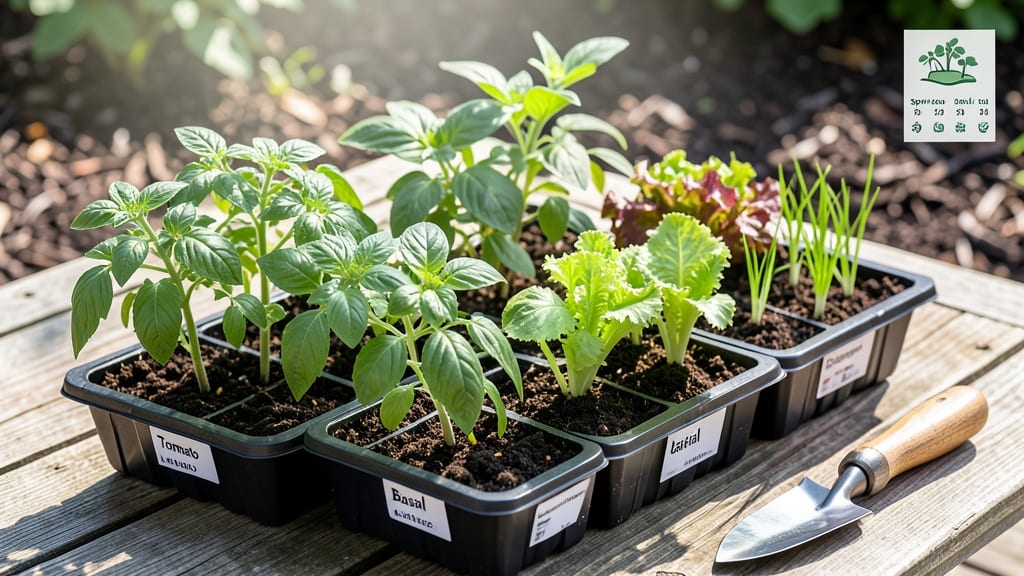
Timing your when to plant a garden in your region isn’t just about throwing seeds in the dirt—it’s the difference between a lush harvest and a sad, wilted disappointment.
Whether you're in USDA Zone 6a or another climate, getting the window right means knowing your last frost date and which plants thrive in spring’s cooler air.
For most spring crops like lettuce or peas, the ideal planting window is April to May, right after that final frost warning. But here’s the catch: warm-season lovers like tomatoes need to wait until soil temperatures hit 60°F or higher—otherwise, they’ll sulk and refuse to grow.
Let’s break down exactly how to sync your planting schedule with nature’s calendar.
You’ll discover how to read frost maps, adjust for your microclimate, and even stretch your growing season with simple tricks. No more guessing games—just data-driven timing that turns your garden dreams into reality. Ready to dig in?
From cool-season greens to heat-loving peppers, we’ll cover the best months for every plant type in your area. Plus, I’ll share my top tips for avoiding common mistakes that waste time and money. Let’s make this your most successful gardening season yet!
How to find your region’s frost-free dates and plant zones
Every gardener’s success starts with knowing two critical dates: your last frost date and first frost date. These mark your frost-free window, the period when most plants can safely grow outdoors.
But how do you find these dates for your exact location? Let’s break it down into simple steps.
First, check your USDA Plant Hardiness Zone. This zone—assigned by the USDA based on average minimum winter temperatures—helps predict which plants will thrive in your area.
For example, Zone 6a (like much of the Midwest) has average minimum temperatures of -10°F to -5°F, while Zone 10a (southern Florida) rarely drops below 30°F. Use the USDA Plant Hardiness Zone Map to find yours.
Next, locate your average last frost date using trusted resources like the Old Farmer’s Almanac or NOAA frost maps. These tools provide historical frost data for your zip code, giving you a starting point for spring planting.
For instance, in Zone 6a, the last frost often falls around April 15, while in Zone 9a (California), it might be February 15.
Now, here’s where it gets personal: microclimates can shift your frost dates by weeks or even months. A south-facing slope warms up faster, while a low-lying area stays colder longer.
Even your garden’s elevation matters—higher altitudes experience frost earlier. To adjust, observe your garden for 3-5 years or ask local gardeners about their frost experiences.
Once you’ve nailed down your frost-free window, add 30-60 days to account for plant maturity times.
For example, if your last frost is April 15 and your tomatoes take 80 days to ripen, plant them by March 1 to ensure a harvest before the first frost in October.
For warm-season crops like peppers and cucumbers, wait until soil temperatures reach 60°F+. Use a soil thermometer to check—planting too early in cold soil can stunt growth. Conversely, cool-season crops like spinach and peas tolerate light frosts and can even be planted 4-6 weeks before your last frost date.
Pro tip: Bookmark the National Gardening Association’s Planting Calendar or use apps like Gardenate. These tools automatically adjust planting times based on your zip code and plant type, saving you hours of research. Just input your location, and they’ll tell you exactly when to plant for your region.
Don’t forget to account for fall planting too! Many gardeners overlook the fact that cool-season crops can be sown 60-90 days before your first frost. For example, in Zone 6a, that means planting kale or carrots by late July to harvest before winter sets in.
Here’s a quick
Optimal planting times by vegetable, flower, and herb type
Not all plants thrive when planted at the same time. Cool-season crops like spinach and peas love early spring or fall, while warm-season plants such as tomatoes and peppers need warmer soil to germinate. Even herbs like basil refuse to grow if planted before the last frost—so timing matters!
Your USDA Plant Hardiness Zone (from Section 1) is your starting point, but the type of plant dictates the exact window. Annuals (plants that complete their life cycle in one season) have the strictest deadlines, while perennials (like asparagus or strawberries) can be planted in early spring or fall for best results.
Here’s a quick breakdown of when to plant the most popular garden staples, adjusted for spring and fall planting in USDA Zone 6a (like much of the Midwest and Northeast). For other zones, shift these dates earlier or later by about 2–4 weeks per zone.
| Plant Type | Spring Planting Window | Fall Planting Window | Notes |
|---|---|---|---|
| Cool-Season Vegetables | 4–6 weeks before last frost (Zone 6a: March 15–April 1) | 6–8 weeks before first frost (Zone 6a: August 1–September 1) | Examples: Lettuce, spinach, peas, broccoli, kale. Direct-sow seeds for best results. |
| Warm-Season Vegetables | After last frost, soil 60°F+ (Zone 6a: April 15–May 15) | Not recommended (too hot) | Examples: Tomatoes, peppers, cucumbers, beans. Start indoors 6–8 weeks before transplanting. |
| Herbs | After last frost (Zone 6a: April 15–May 1) | Late summer (Zone 6a: July 1–August 1) | Examples: Basil (warm), parsley (cool), cilantro. Basil hates frost—plant after warm soil. |
| Flowers | After last frost (Zone 6a: April 15–May 1) | Early fall (Zone 6a: July 15–August 15) | Examples: Marigolds, zinnias, sunflowers. Avoid frost-sensitive varieties like petunias in fall. |
| Perennials | Early spring (Zone 6a: March 1–April 15) | Early fall (Zone 6a: September 1–October 1) | Examples: Asparagus, strawberries, lavender. Establish roots before winter dormancy. |
Pro tip: For warm-season plants, use a soil thermometer to confirm temperatures are 60°F+ before planting. Cool-season crops can handle 50°F+ soil, but avoid planting when nighttime temps dip below 40°F—they’ll bolt or rot.
In warmer climates (Zones 8–10), shift these dates earlier—some crops like tomatoes can be planted in February or March. In colder zones (Zones 1–5), delay until late May or June for warm-season plants. Always check your local frost dates for precision!
Need to squeeze in extra harvests? Succession planting (sowing seeds every 2–3 weeks) works wonders for lettuce, radishes, and beans. Just adjust your timeline to match the plant’s days to maturity—for example, plant a new batch of bush beans every 10 days for a continuous supply.