
Plants
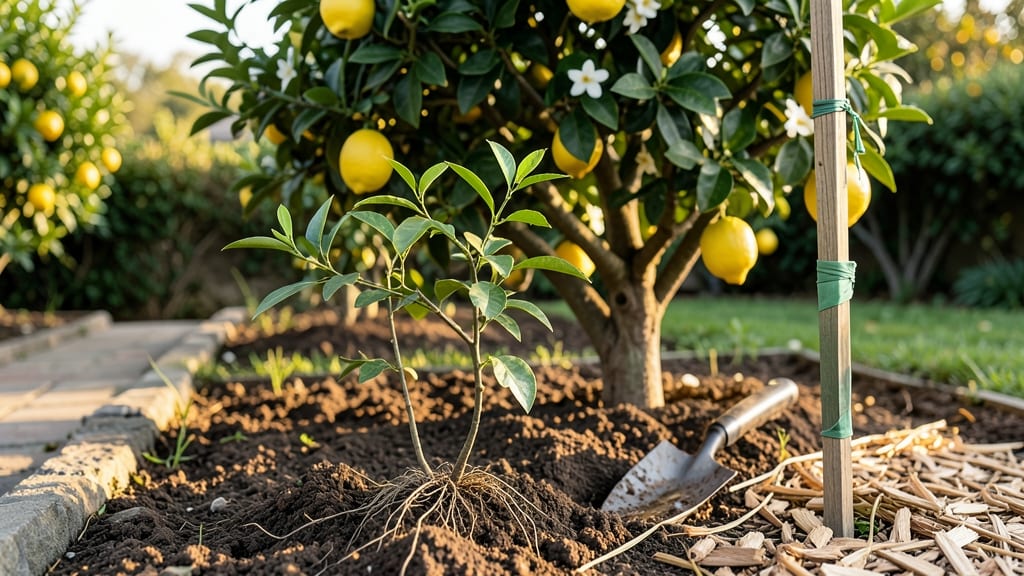
Planting a 🍋 lemon tree in Louisiana at the wrong time could mean struggling with humidity, pests, or even losing your tree to unexpected cold snaps. The secret to success? Timing it right—whether you're in Zone 8a or 9b—to give your tree the best shot at thriving year-round.
Most gardeners in Louisiana know the struggle: too early, and frost can damage tender roots; too late, and summer heat stresses young plants. The ideal windows are February-March (after the last frost) or September-October (fall planting), when temperatures are mild and humidity isn’t overwhelming.
But there’s more to it than just months—soil prep, microclimates, and even your location (coastal vs. inland) play a role.
If you’ve ever watched a lemon tree flourish in your yard only to see it struggle the next season, you’re not alone.
I’ll break down the exact steps to plant your 🍋 lemon tree for maximum growth, from choosing the right spot to protecting it from Louisiana’s quirks—like sudden cold fronts or relentless humidity. Let’s get your tree off to the best start possible.
Ready to turn your backyard into a citrus oasis? By the end of this guide, you’ll know exactly when to plant, how to prep your soil, and what to watch for in Louisiana’s unpredictable climate. Your future harvest of juicy lemons starts with the right timing—and I’ve got you covered.
Best planting months for lemon trees in Louisiana’s climate zones
Louisiana’s humid subtropical climate creates unique challenges for growing lemon trees, but timing your planting correctly can mean the difference between a thriving citrus tree and a struggling one.
The ideal planting windows in Louisiana are February-March (early spring) and September-October (late fall), when temperatures are mild and humidity is slightly lower.
These months align with Louisiana’s USDA Zones 8a-9b, where last frost dates typically occur around February 15 in northern regions like Shreveport, while southern areas like New Orleans rarely experience frost. Planting after these dates gives young trees time to establish roots before summer heat arrives.
Visual Element:
| Climate Zone | Best Planting Window | Average Soil Temp | Key Considerations |
|---|---|---|---|
| North LA (Zone 8a) | February 20 - March 15 | 55-65°F | Avoid late frosts; protect with frost cloth if needed |
| Central LA (Zone 8b) | February 15 - March 10 | 60-68°F | Soil warms faster; plant after St. Patrick's Day |
| South LA (Zone 9a) | February 1 - March 5 | 65-72°F | Minimal frost risk; focus on drainage |
| All Zones (Fall) | September 15 - October 15 | 70-78°F | Avoid hurricane season; water deeply before rains |
For spring planting, aim to get your lemon tree in the ground 4-6 weeks before the last expected frost. In Louisiana, this typically means late February to mid-March for most regions.
The soil should be warm enough to encourage root growth—you can test this by checking if the soil stays above 60°F at a depth of 4 inches.
If you prefer fall planting, September-October offers the best balance of warm soil and cooler air, allowing roots to establish before winter. Avoid planting too late in fall, as November frosts can damage young trees before they’ve had time to acclimate.
In coastal areas like New Orleans or Lafayette, where humidity is higher, spring planting is often the safer choice. The extra moisture in these regions can lead to root rot if planted in fall, when fungal diseases thrive. Always choose a well-draining spot to prevent waterlogging.
One pro tip for Louisiana gardeners is to monitor local weather patterns. For example, Baton Rouge’s last frost date can vary by 1-2 weeks from year to year, so check resources like the Louisiana State Climatology Office for updates.
Planting after St. Patrick’s Day (March 17) is a traditional guideline that works well for most of the state.
For container-grown lemon trees, you have slightly more flexibility. You can plant anytime the soil is workable, but still avoid peak summer heat (June-August) and winter frosts (December-January). Containers allow you to move trees indoors during cold snaps, extending your growing season.
Remember, lemon trees thrive in full sun, so select a location that gets at least 6-8 hours of direct sunlight daily. In Louisiana’s hot summers, afternoon shade can help prevent heat stress, but morning sun is essential for fruit production.
Finally, amend your soil with organic matter like compost or aged manure to improve drainage—a critical factor in Louisiana’s clay-heavy soils. A slightly acidic to neutral pH (6.0-7.0) is ideal for citrus trees, so test your soil before planting.
How to time your planting for humidity resistance and fruit production
Louisiana’s high humidity and frequent rain can turn your lemon tree’s dream into a disease nightmare if you don’t plant strategically. The key is to time your planting so your tree establishes strong roots before the wet season hits.
Aim for September-October or February-March—these windows give your tree time to harden off before summer’s relentless moisture.
When planting in fall (September-October), your tree will spend winter developing roots without competing with summer pests like citrus greening or fungal infections. Spring planting (February-March) works too, but avoid late spring—your tree will struggle with heat stress and root rot before it’s established.
Think of it like giving your tree a head start against Louisiana’s challenges.
🌱 Pro Tip: If you’re in Zone 8a (like Shreveport), wait until after March 15 to plant—earlier frost risks linger. In Zone 9b (New Orleans), you’ve got more flexibility, but still avoid June-August planting at all costs. Humidity peaks then, and young trees can’t handle the fungal pressure.
- 📅 Plant in early fall or late winter—avoid peak humidity months (June-August).
- 🪴 Use raised beds or containers for better drainage—Louisiana’s clay soil holds too much moisture.
- 💧 Water deeply but infrequently—morning watering only to prevent fungal spores from thriving overnight.
- 🌿 Mulch with pine straw or wood chips—keeps roots cool and reduces soil-borne diseases.
- 🌡️ Monitor humidity levels—aim for below 70% around your tree’s foliage.
Once planted, your lemon tree’s fruit production hinges on balancing water, sunlight, and humidity control. Louisiana’s wet season (May-October) can drown roots if you’re not careful.
I’ve seen trees in Baton Rouge double their lemon yield simply by adjusting watering schedules—deep soaks every 7-10 days instead of daily shallow watering. This mimics natural rainfall patterns and prevents root rot.
🍋 Fruit Tip: If you want year-round lemons, plant in September—this gives your tree time to establish before winter, so it’s ready to fruit by spring.
Avoid fertilizing heavily in summer; instead, focus on light feeding in fall to prep for next year’s harvest. Think of it like training a marathon runner—steady, not sprinting.
Finally, don’t overlook pruning for airflow. Louisiana’s humidity loves to hide in dense foliage, creating perfect conditions for citrus canker. Prune lightly in late winter to open up the canopy and let air circulate.
Your tree will thank you with healthier leaves and more fruit—plus, fewer trips to the fungicide aisle! 🌿