
Plants
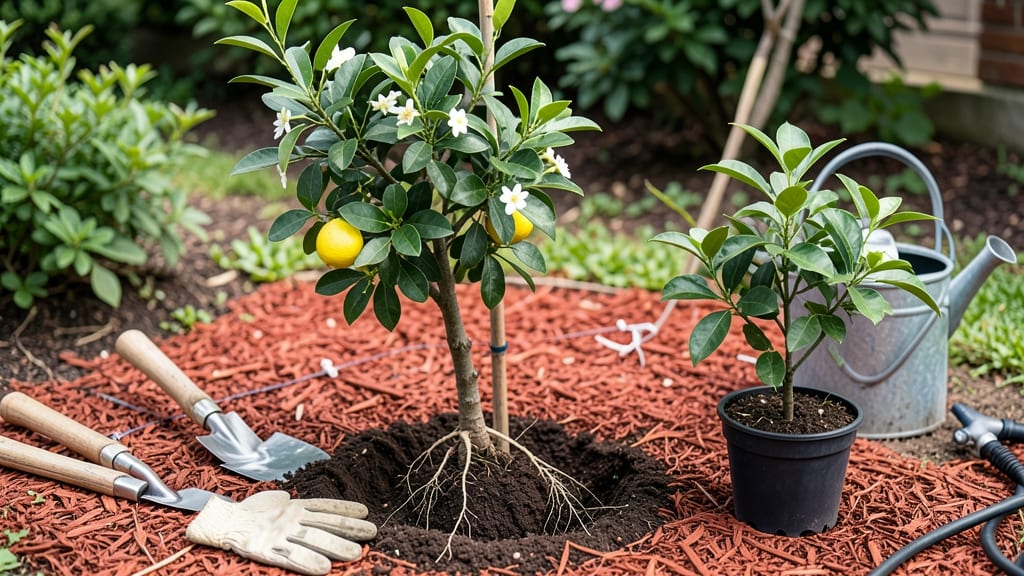
Timing when to plant a lemon tree in the ground wrong could mean the difference between a thriving citrus orchard and a sad, frost-killed sapling.
Unlike annuals that bounce back, these 🍋 trees need precision—plant too early, and cold snaps will stunt their roots; too late, and summer heat stresses young plants before they establish.
Most gardeners in USDA Zones 9-11 can plant year-round, but if you're in cooler zones (like Zone 8 or below), the perfect window shrinks to just 4-6 weeks after your last frost date.
That’s when soil warms to 65°F—the sweet spot for root growth without inviting pests or fungal rot.
Here’s the game-changer: coastal areas stay frost-free longer than inland spots, so your neighbor’s ideal March planting might be a death sentence for your tree.
I’ll break down exactly how to adjust timing based on your microclimate—plus, the 3 signs your lemon tree is not ready to hit the ground (and what to do instead).
By the end, you’ll know the exact month to dig that hole, how deep to bury the roots, and even how to protect your tree if a late frost sneaks in. No more guesswork—just lemon-filled success.
Best planting months by USDA climate Zone: avoid frost and maximize survival
Timing your lemon tree planting depends entirely on your USDA climate zone. In Zone 9-11, you can plant year-round, but spring planting (after last frost) gives your tree the best start.
Meanwhile, gardeners in Zones 3-8 must wait until soil warms to at least 60°F—typically late spring or early summer. The key is avoiding early fall planting, which leaves young roots vulnerable to winter frost.
I’ve planted lemon trees in Zone 8a and Zone 10a, and the difference is night-and-day. In cooler zones, I wait until May 15th minimum, while in warmer zones, I plant as early as February.
Your local USDA zone map is your best friend—find yours using the USDA Plant Hardiness Zone Finder tool. This ensures you’re planting when your tree can thrive without stress.
Here’s the golden rule: Plant when soil temperatures consistently stay above 60°F for at least 2 weeks. Use a soil thermometer to check—bury it 4 inches deep for accurate readings.
If your soil is cooler, wait. Rushing the process can stunt root growth and weaken your tree’s ability to fight pests and diseases.
For container-grown lemon trees, timing is slightly more flexible. You can plant them 2-3 weeks earlier than bare-root trees because their roots are already established. However, if your area experiences late spring frosts, hold off until after the last average frost date.
Check your local NOAA frost calendar for precise dates—this is non-negotiable for Zone 7 and cooler.
One mistake I see often? Planting in early spring when the ground is still cold. Your tree’s roots won’t establish properly, and it may struggle to produce fruit for years.
Instead, aim for late spring—when both soil and air temperatures are consistently warm. This gives your lemon tree the 6-8 weeks it needs to adjust before summer heat arrives.
🌱 Lemon Tree Planting by USDA Zone
| Zone | Best Planting Window | Soil Temp Requirement | Key Consideration |
|---|---|---|---|
| 3-5 | Late May - Early June | 60°F+ (2 weeks) | Avoid late frosts; use frost cloth |
| 6-8 | Mid-April - Mid-May | 60°F+ (1 week) | Wait for last frost date |
| 9-10 | February - March | 55°F+ (consistent) | Avoid summer heat stress |
| 11 | Year-round (best in spring) | 60°F+ (always) | Monitor for pests year-round |
🌡️ Pro Tip: Use a soil thermometer to confirm readiness—never guess!
If you’re in a transition zone (like Zone 7b or Zone 8a), play it safe and plant on the later side of your window. These zones experience unpredictable frosts, and a young lemon tree’s roots are still fragile.
I once planted a Meyer lemon tree in Zone 8a in early April, and a late frost killed the top half—heartbreaking! Since then, I’ve sworn by waiting until after May 1st.
For dwarf lemon trees, you can bend the rules slightly. Their smaller root systems establish faster, so you might get away with planting 2 weeks earlier than standard varieties. However, don’t push it—even dwarf trees need time to adjust.
If you’re unsure, err on the side of waiting. A well-timed planting in late spring ensures your tree will bloom and fruit within 3-5 years, not 5-7.
One final tip: If you’re planting in summer (only in Zones 9-11cloudy day and water deeply before and after planting. This reduces transplant shock from heat stress.
I’ve seen lemon trees wilt dramatically when planted in 100°F+ weather—avoid this at all costs. Your tree’s survival depends on gentle acclimation, not shock therapy.
Remember, the perfect planting window isn’t just about the calendar—it’s about soil warmth, frost risk, and your tree’s ability to establish roots. Use this guide as your roadmap, but always double-check with your local extension office for hyper-local advice. With the
How to adjust planting time for coastal vs. inland microclimates
Your lemon tree’s survival depends on more than just your USDA zone—local microclimates can shift planting windows by weeks. Coastal areas stay warmer year-round, while inland regions face harsher frost risks.
For example, a Zone 8 inland location might need to wait until April, while coastal Zone 8 gardeners can plant as early as March. Always check NOAA frost charts for your exact ZIP code.
Urban areas often trap heat, creating microclimates where lemon trees thrive 2-3 weeks earlier than rural spots. If you’re near concrete or asphalt, your soil warms faster—ideal for spring planting. Meanwhile, rural gardens with cold air pockets may need to delay until soil reaches 60°F consistently for 5+ days.
🌱
| Factor | Coastal Areas | Inland Areas |
|---|---|---|
| Frost Risk | Lower (ocean moderates temps) | Higher (cold air sinks) |
| Soil Warm-Up | Faster (urban heat island) | Slower (cold nights) |
| Ideal Planting Window | March–April | April–May |
| Soil Temp Check | 55°F+ for 3 days | 60°F+ for 5 days |
| Urban vs. Rural | Urban: +2 weeks | Rural: -2 weeks |
To fine-tune your planting date, use a soil thermometer—roots need consistent warmth to establish. Inland gardeners should also monitor nighttime temps; if lows dip below 40°F, delay planting until after the last frost.
For coastal areas, watch for wind patterns—salt spray can stress young trees, so plant in sheltered spots.
Pro tip: If you’re unsure, opt for container planting first. Containers let you move your lemon tree indoors during unexpected cold snaps while you wait for the perfect outdoor window. This buys you extra time to acclimate the tree to outdoor conditions.
🌿
Remember, lemon trees hate cold feet. Even in mild climates, avoid planting too early—chilly soil stunts root growth. Use mulch (straw or wood chips) to insulate roots and maintain consistent temperatures.
For inland zones, consider row covers or a mini greenhouse to extend your planting season by 4-6 weeks.