
Plants
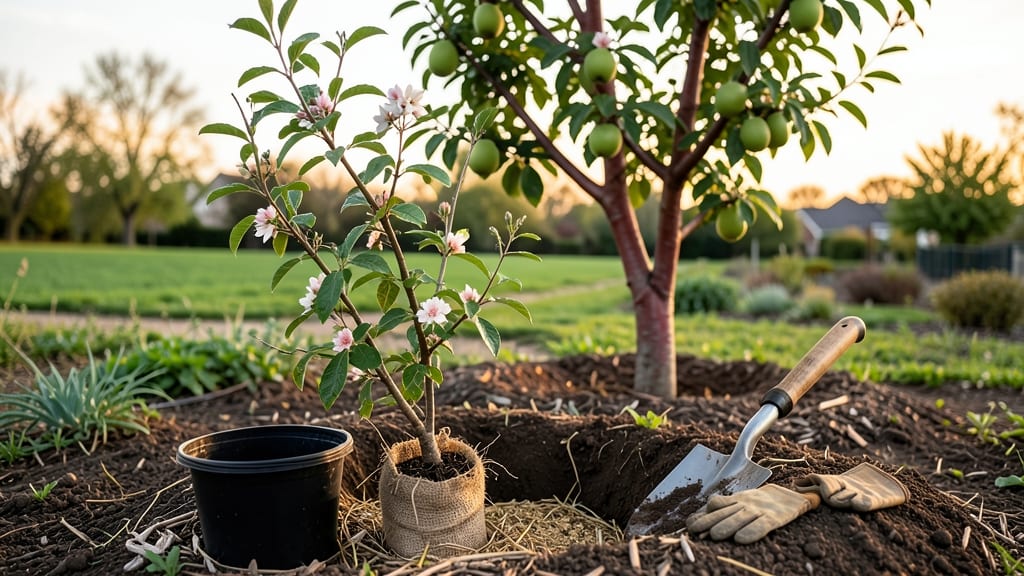
Timing your peach tree planting in Texas isn't just about picking a random weekend—it's about dodging brutal summer heat and sneaky late frosts that can kill your tree before it even takes root.
With USDA zones 8a-10a bringing everything from chilly North Texas winters to scorching South Texas summers, getting this right means the difference between a thriving 🍑 orchard and a sad, withered sapling.
Most gardeners in Texas know spring is the sweet spot, but here's the catch: planting too early in North Texas risks frost damage, while waiting too long in South Texas means your tree will struggle with summer's relentless sun.
The ideal window—late February to early March—gives roots time to establish before the real heat kicks in, but your exact timing depends on whether you're in Dallas or the Rio Grande Valley.
What you're about to discover isn't just about calendar dates—it's about reading your local microclimate like a pro. We'll break down exactly how to time your planting for maximum survival, plus the soil prep secrets that keep Texas peach trees thriving when others give up.
Let's get your 🍑 off to the right start.
The best part? These strategies work whether you're a first-time gardener or a seasoned Texas grower looking to boost your orchard's success. You'll learn how to outsmart the climate, choose the perfect varieties for your region, and give your tree the head start it needs to produce fruit for years.
Ready to plant with confidence?
Texas chill-hour zones: how to match peach tree varieties to your region
Texas spans USDA Zones 8a through 10a, creating a unique challenge for peach growers. Unlike northern states, Texas peach trees must survive extreme heat and variable chill hours—the number of hours below 45°F needed to trigger flowering.
Most peach varieties require 400–1,200 chill hours, but South Texas often sees only 200–400 hours, making traditional varieties a poor fit.
Choosing the right peach tree variety depends entirely on your chill-hour zone. North Texas (e.g., Dallas, Fort Worth) typically has 600–1,000 chill hours, while South Texas (e.g., San Antonio, Houston) often falls below 400 chill hours.
Even a 100-hour difference can mean the difference between a thriving tree and one that barely blooms.
For North and Central Texas, traditional varieties like 'Elberta' or 'Redhaven' thrive, requiring 500–800 chill hours. Meanwhile, South Texas gardeners must opt for low-chill varieties like 'Tropic Beauty' or 'Flordagold', which need only 200–350 chill hours.
Even then, heat stress after flowering can reduce fruit set, so timing is everything.
Here’s how to match your location to the right peach tree variety:
| Chill-Hour Zone | Texas Regions | Best Varieties | Notes |
|---|---|---|---|
| 800–1,200 | North Texas (Panhandle, DFW) | Elberta, Redhaven, Reliance | Traditional varieties; high fruit quality. |
| 500–700 | Central Texas (Austin, Waco) | Sanguinole, Contender, Flordaking | Moderate chill; needs afternoon shade. |
| 200–400 | South Texas (San Antonio, Houston) | Tropic Beauty, Flordagold, Redtop | Low-chill; heat-tolerant but needs irrigation. |
| <100 | Deep South Texas (Rio Grande Valley) | None (avoid peaches) | Too warm; consider citrus or figs instead. |
If you’re in a borderline chill-hour zone (e.g., 400–500 hours), consider delayed dormancy varieties like 'Contender' or 'Flordaking', which can adapt better to warmer winters. Alternatively, use artificial chill treatments (like refrigeration) for grafted trees, though this is labor-intensive.
Another critical factor is soil pH. Texas soils are often alkaline (7.5–8.5), which can lock out iron and zinc—nutrients peach trees desperately need. Amending soil with sulfur or peat moss before planting can make a huge difference in tree health and fruit production.
Test your soil 3–4 weeks before planting to adjust pH if needed.
Even with the right variety, microclimates play a role. A north-facing slope in South Texas might add 100+ extra chill hours, while a south-facing yard in North Texas could reduce them. Observe your yard’s sun exposure patterns for at least a year before planting to avoid surprises.
Pro tip: If you’re unsure about your chill-hour zone, check local agricultural extension records or use a chill-hour calculator (like the one from Texas A&M AgriLife). Plant nurseries in your area can also recommend locally tested varieties that perform well in your specific conditions.
Finally, remember that peach trees need consistent care beyond just chill hours. In Texas, drought stress and heat spikes after flowering can cause fruit to drop. We’ll cover watering and mulching strategies in the next section to keep your tree thriving year-round.
Best planting months in Texas: avoiding heat stress and early freezes
Texas gardeners know timing is everything—especially when planting peach trees. The ideal window is late winter to early spring, but exact timing depends on your region-specific frost dates and heat tolerance.
North Texas (like Dallas) has later frosts, while South Texas (Houston) warms up faster. Plant too early, and late frosts can damage young trees; too late, and summer heat stress sets in.
For most of Texas, March is the sweet spot. This gives roots time to establish before the brutal summer heat.
In North Texas (USDA Zones 7b-8a), aim for mid-February to early March, while South Texas (Zones 8b-10a) gardeners should wait until late February to March to avoid heat shock.
Always check your local frost dates—planting 4-6 weeks before the last frost ensures your tree isn’t caught off guard.
Here’s the breakdown of what to do each month to set your peach tree up for success:
Texas’ unpredictable weather means monitoring local forecasts is a must. A late frost in March can still occur in North Texas, while South Texas may see early heatwaves.
If you’re in doubt, err on the side of planting slightly later—your peach tree will thank you with better root growth and fewer stress signals like wilting or leaf scorch.
Pro tip: If you’re planting in containers (for urban gardeners), use a fast-draining potting mix and move pots to a shaded area during the hottest afternoons. Container-grown trees dry out faster in Texas’ low humidity, so check soil moisture daily during the first month.
Timing your peach tree correctly isn’t just about the calendar—it’s about reading your local microclimate. With the right approach, you’ll be enjoying homegrown peaches in just a few years! 🍑