
Plants
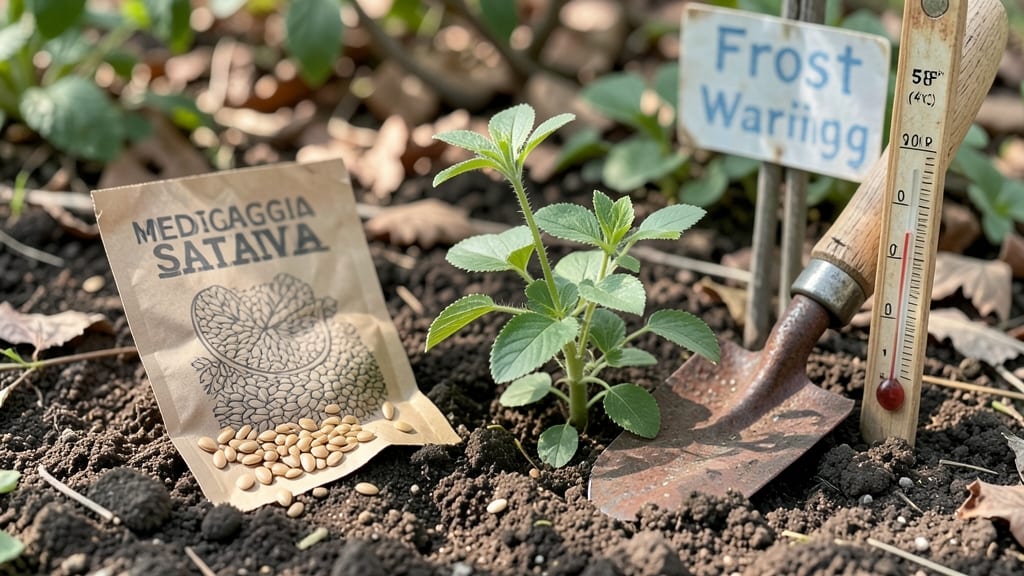
Timing your alfalfa planting in Kentucky can make or break your crop—get it wrong, and you’re staring at weak stands or frost damage before the season even begins.
The right window (usually early spring or late summer) ensures strong roots and lush growth, but Kentucky’s 6a-7b zones complicate things with varying frost-free dates.
I’ve seen firsthand how a just-right planting date transforms a struggling alfalfa patch into a thriving forage crop. Whether you’re in Western Kentucky’s warmer microclimates or the cooler Eastern regions, knowing when to plant isn’t just guesswork—it’s about matching your seeds to the soil’s readiness.
In this guide, I’ll break down Kentucky’s frost-free windows by county, soil temperature tricks to extend your planting season, and how to avoid the costly mistakes that derail even the most eager gardeners. No more wasted seeds or stunted growth—just reliable, science-backed timing for your 🌱 alfalfa.
Ready to plant with confidence? Let’s dive into the exact dates, soil prep secrets, and variety tips that’ll give your alfalfa the best possible start in Kentucky’s climate.
Kentucky’s frost-free dates by region: best planting windows for alfalfa success
Kentucky’s diverse climate means alfalfa planting dates vary dramatically between Western, Central, and Eastern regions. The last frost typically arrives between March 15 (southern counties) and April 15 (mountain regions), while first frost hits as early as October 15 in the Appalachians.
Understanding these microclimates is key to avoiding frost damage and maximizing your alfalfa yield.
For optimal germination, alfalfa seeds need soil temperatures above 50°F (10°C). In Kentucky, this usually aligns with late March to early April in most areas.
However, Northern Kentucky (USDA Zone 6a) may need to wait until mid-April, while Western Kentucky (Zone 7a) can start as early as late February in sheltered microclimates.
Use the USDA Plant Hardiness Zone Map to refine your timing. For example, Lexington (Zone 7a) has a 210-day frost-free window, while Corbin (Zone 6b) only gets 180 days. This affects whether you can attempt a late summer planting (August) for a second harvest before winter.
Here’s a quick reference for Kentucky’s alfalfa planting windows by region, including soil temperature requirements and frost risks:
| Region | Frost-Free Window | Ideal Planting Month | Soil Temp Requirement | Key Risk |
|---|---|---|---|---|
| Western KY (e.g., Paducah) | March 10 – November 10 | Late Feb–Early April | 50°F+ (10°C+) | Late spring frost |
| Central KY (e.g., Louisville) | March 15 – November 5 | March–Early April | 50°F+ (10°C+) | Summer drought |
| Eastern KY (e.g., Pikeville) | April 1 – October 30 | Mid-April | 55°F+ (13°C+) | Early frost |
| Northern KY (e.g., Covington) | March 20 – November 1 | Late March–Early April | 50°F+ (10°C+) | Winterkill risk |
To pinpoint your exact last frost date, check the Kentucky Climate Center’s historical data or use the Almanac’s Frost/Freeze Calculator. For alfalfa varieties, early-maturing types like ‘Moapa’ can tolerate cooler soils, while late-maturing varieties like ‘WL 325’ need warmer conditions to establish roots quickly.
If you’re in a transition zone (e.g., Northern Kentucky), consider using black plastic mulch to warm the soil by 5–10°F, allowing you to plant 2–3 weeks earlier. This is especially useful for alfalfa’s slow germination, which can take 10–20 days under ideal conditions.
For late summer plantings (August), aim for 6–8 weeks before your first frost. This gives seedlings time to establish before winter. However, Eastern Kentucky’s shorter growing season often limits this to early August at the latest.
Always monitor your local weather forecasts in the weeks leading up to planting. A sudden cold snap can delay germination, while prolonged rain may cause soil compaction, leading to poor seed-to-soil contact. Use a soil thermometer to confirm temperatures before sowing.
Pro tip: Plant alfalfa in rows spaced 18 inches apart to improve airflow and reduce fungal risks like leaf spot, which thrives in Kentucky’s humid summers. This spacing also makes weed control easier, a critical factor in Kentucky’s competitive weed environment.
How to adjust planting dates for alfalfa varieties in Kentucky’s climate
Kentucky’s diverse climate—from the Bluegrass region’s mild winters to the Appalachian Mountains’ cooler temperatures—means alfalfa planting dates should vary by variety and microclimate.
Early-maturing varieties like ‘Ladak’ or ‘Moapa’ can handle late-March starts in USDA Zone 7b, while late-maturing types like ‘CUF 101’ may need to wait until mid-April to avoid frost damage.
Soil temperature is your best guide: alfalfa seeds need 50°F+ soil to germinate. Use a soil thermometer to check—if temps dip below 45°F, delay planting.
In Western Kentucky, where springs warm faster, you might plant by mid-March, while Eastern Kentucky’s cooler microclimates may require waiting until late March or early April.
For late-summer planting (August), aim for 60 days before first frost—typically mid-to-late August in most counties. This window works best for second-cutting alfalfa or when establishing new stands for fall grazing. However, avoid planting after September 1st in Northern Kentucky due to frost risk.
To extend your planting window, try soil warming techniques like black plastic mulch or row covers. These can raise soil temps by 5–10°F, letting you plant 2–3 weeks earlier in cool microclimates.
Just remove covers once seedlings emerge to avoid overheating. For mountain regions, prioritize south-facing slopes where soil warms faster.
Kentucky’s microclimates also play a role. The Bluegrass region (e.g., Louisville, Lexington) has earlier frost-free dates, while Appalachian counties (e.g., Harlan, Pike) may face late-spring frosts until mid-April.
Check your local USDA zone and historical frost data—the Kentucky Climate Center offers free tools to refine your timing.
Pro tip: If you’re unsure, test soil moisture before planting. Dry soil in early spring can delay germination, while waterlogged conditions invite rot. Aim for moist but not soggy soil—alfalfa hates compacted or waterlogged roots. Adjust irrigation to match your planting date and variety needs.