Planting
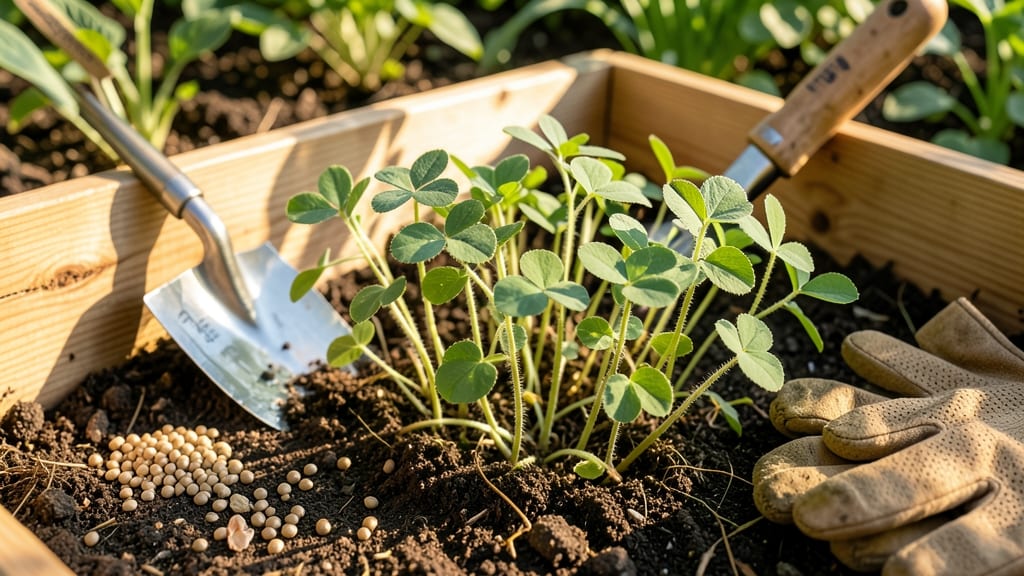
Timing your alfalfa planting in spring can make the difference between a lush, productive crop and months of frustration. This hardy perennial 🌱 thrives when planted just right—too early and frost will set it back, too late and summer heat stresses young roots.
For most gardeners in USDA Zone 6a, the sweet spot falls between early and mid-spring, right after the last frost date. This window ensures soil temperatures hit that critical 45-55°F range where seeds germinate reliably without risking cold damage.
What you’ll discover here is how to read your local climate cues—like soil moisture and frost-free days—to pinpoint the exact moment to plant. We’ll also cover pro tips to speed up establishment, so your alfalfa goes from seed to fast-growing forage in record time.
Whether you’re a backyard gardener or managing a small farm, getting this right means healthier soil, better yields, and less guesswork. Let’s get your alfalfa off to the best possible start.
Optimal spring planting windows for alfalfa by USDA hardiness zones
Alfalfa thrives when planted at the right time in spring, but the perfect window depends entirely on your USDA hardiness zone. Unlike frost-sensitive crops, alfalfa handles cool soil temperatures and even light frosts, making it ideal for early spring planting in most climates.
The key is planting after your last frost date but before soil warms beyond 60°F, which can stress young seedlings.
In northern zones (3-6), where winters are harsh, aim for late April to early May. This gives seedlings time to establish before summer heat arrives. Meanwhile, southern zones (7-11) can plant as early as February to March, avoiding the risk of summer drought stress.
The difference comes down to soil temperature thresholds and rainfall patterns—not just calendar dates.
Here’s how to calculate your ideal planting window:
- Check your last average frost date (use the USDA frost map).
- Subtract 4-6 weeks for seedling establishment.
- Verify soil temperature is 45-55°F at 2-inch depth.
- Plant 1-2 weeks before your region’s peak rainfall window to ensure moisture.
For example, in Zone 5, where last frosts often hit May 15, planting in early April gives seedlings a head start.
In Zone 9, with mild winters, late January planting works—but only if irrigation is available. Overheating soil is the biggest enemy of alfalfa germination, so timing matters more than you might think.
🌱
If you’re in Zone 5 or higher, planting in early April ensures seedlings emerge when soil is still cool but warming. For Zones 3-4, wait until late April to avoid frost damage.
In southern zones (7-11), the real challenge is avoiding summer heat—plant in winter or early spring to let seedlings mature before temperatures rise.
Pro tip: Use a soil thermometer (or your finger—cool soil feels like a chilled drink) to confirm readiness. If soil is warmer than 60°F, germination slows dramatically. Shade cloth can help if planting early in hot zones.
For container gardening, adjust your window by 2-3 weeks earlier—containers heat up faster. In raised beds, soil warms quicker than in-ground, so plant 1 week later than your zone’s guideline. Always prioritize moisture retention in containers to prevent seedling stress.
🌿
One common mistake is planting too early in cold zones, where seeds rot in soggy, cold soil. Another is planting too late in warm zones, where seedlings struggle to establish before summer drought.
The sweet spot is when soil is cool but warming—think of it as alfalfa’s goldilocks zone for germination.
For livestock growers, prioritize early spring planting to maximize forage before summer grazing. Home gardeners can experiment with fall planting in mild climates (Zones 7-11), but spring is still the safest bet for most regions.
Always inoculate seeds with Rhizobium bacteria to boost nitrogen fixation—this is non-negotiable for alfalfa success.
Soil temperature and moisture triggers for alfalfa germination
Alfalfa seeds are cold-hardy but need precise conditions to germinate reliably. The ideal soil temperature range is 45-55°F, which signals it’s time to plant in most regions. If your soil is too cold (<40°F), germination slows dramatically, while temperatures above 60°F can stress young seedlings before they establish.
Testing soil temperature is simple: push a soil thermometer 2 inches deep in the morning (before sun heats the ground). If it reads 45°F or warmer consistently for 3-5 days, your alfalfa seeds are ready to go.
Pro tip: A moisture meter or even your finger can help gauge depth—soil should feel damp but not soggy 1-2 inches down.
🌱
| Condition | Specification | Action |
|---|---|---|
| Soil Temperature | 45-55°F (7-13°C) | Plant seeds when consistent for 3+ days |
| Moisture Depth | 1-2 inches damp | Water deeply before planting |
| Seed Depth | ¼ inch max | Lightly cover with fine soil |
| Germination Time | 7-14 days | Keep soil moist until sprouts appear |
In cooler climates (Zones 3-5), aim for early spring planting (March-April) when soil warms after frost. For warmer zones (6-11), late winter (February-March) works best to avoid summer heat stress.
If your spring is unusually cold, consider a mini greenhouse or row covers to maintain ideal temperatures—this trick has helped my alfalfa sprout 2 weeks faster in Zone 4.
Slow germination? Check for compacted soil or uneven moisture. Loosen the top 2 inches with a rake and water gently to avoid displacing seeds. Overwatering is just as harmful as underwatering—alfalfa roots need oxygen, not soggy conditions.
A light mulch layer (straw or grass clippings) retains moisture while preventing crusting.
Once seedlings emerge, thin them to 4-6 inches apart to reduce competition. This step is critical for strong stems and high-protein forage. I’ve found that companion planting with clover can also improve germination rates by fixing nitrogen in the soil early on.
☀️