
Plants
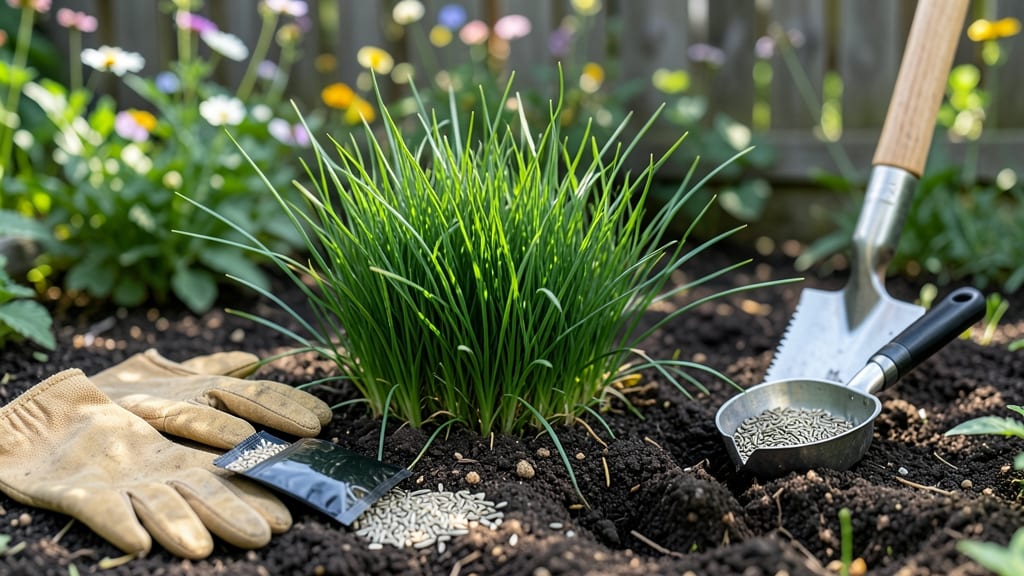
If you're wondering when to plant annual ryegrass in Texas, timing is everything—especially when Texas' unpredictable weather can turn a perfect seedling into a crispy one overnight.
This hardy 🌱 annual ryegrass thrives in the cooler months, but planting too early in the heat or too late before frost can ruin your chances of a lush winter cover crop.
The best window for Texas gardeners is between August and October, when soil temps drop just enough to avoid heat stress while giving seedlings time to establish roots before winter.
But here's the catch: North Texas (Zone 8a) and South Texas (Zone 10b) have wildly different frost dates—so your exact timing depends on where you live in the Lone Star State.
Whether you're using it as a cover crop, erosion control, or a temporary lawn, getting the timing right means fewer headaches and more success.
I'll break down the exact frost-free windows by region, plus pro tips to adjust for Texas' wild weather swings—so you can plant with confidence and avoid common mistakes.
Ready to grow a resilient 🌱 annual ryegrass cover that survives Texas winters? Let's dive into the science behind the perfect planting schedule for your zone.
Texas annual ryegrass planting calendar by USDA hardiness zones
Texas spans three distinct USDA hardiness zones for annual ryegrass, each with its own frost-free window. In North Texas (Zones 7b-8a), like Dallas and Fort Worth, your planting window opens earlier than in warmer regions.
Meanwhile, South Texas (Zones 8b-9a), including Houston and the Rio Grande Valley, has a shorter frost window—sometimes just a few weeks. Central Texas (Zones 8a-8b) falls in between, with Austin and San Antonio offering a balanced window.
For all regions, aim to plant 4-6 weeks before the first frost. This timing ensures seedlings establish roots before cold snaps. In North Texas, that’s typically mid-August to early October, while South Texas can extend planting until late October or early November.
Miss this window, and your grass may struggle to survive winter’s chill.
Soil temperature is just as critical as air temperature. Annual ryegrass thrives when soil temps drop below 80°F but stay above 50°F. Use a soil thermometer to check—if temps hover above 85°F for too long, seedlings risk heat stress.
In West Texas, where summers linger hotter, you may need to delay planting until September to avoid this issue.
Here’s how your Texas region breaks down for optimal planting:
| Region | USDA Zone | Ideal Planting Window | First Frost Date | Soil Temp Goal |
|---|---|---|---|---|
| North Texas | 7b-8a | Mid-August to early October | Mid-November | 50-80°F |
| Central Texas | 8a-8b | Late August to late October | Late November | 55-78°F |
| South Texas | 8b-9a | Late August to early November | Mid-December | 60-75°F |
| West Texas (High Heat) | 8a-8b | September to early October | Early November | 50-75°F |
The Hill Country, including areas like Fredericksburg and Boerne, often experiences earlier frosts than coastal regions. If you’re in this zone, start planting by mid-August to ensure your ryegrass establishes before November’s first frost.
Conversely, the Gulf Coast, like Galveston and Corpus Christi, may have milder winters, allowing for later plantings into early November.
For cover crop purposes, like erosion control or soil improvement, you can push planting dates slightly later. However, if your goal is a winter lawn, stick to the earlier window. In North Texas, planting by September 15th ensures a thick, green lawn by December.
In South Texas, aim for October 1st to avoid heat stress while still catching the cooler winter months.
Pro tip: Use a local frost calendar from your county extension office. For example, Dallas County typically sees its first frost around November 15th, while Hidalgo County near the border may not frost until January. Adjust your planting 6 weeks before that date for best results.
If you’re unsure about your exact USDA zone, the Texas A&M AgriLife Extension offers free zone maps online. Simply enter your ZIP code, and you’ll get precise frost dates tailored to your location.
This small step can save you from wasted seed or poor germination due to timing mistakes.
Once you’ve nailed down your planting window, prepare your soil by tilling to 4 inches deep and amending with compost or aged manure. Annual ryegrass prefers well-draining soil with a pH between 6.0 and 7.0.
Test your soil’s pH before planting—if it’s too acidic or alkaline, adjust it with lime or sulfur to create the perfect growing conditions.
Texas annual ryegrass planting calendar by USDA hardiness zones
Texas spans three distinct USDA hardiness zones for annual ryegrass planting, each with its own frost-free window. North Texas (Zones 7b-8a) faces earlier frosts, while South Texas (Zones 8b-9a) enjoys milder winters. Central Texas (Zones 8a-8b) falls in between, requiring careful timing to avoid heat stress or frost damage.
The key is planting 4-6 weeks before your first frost—this gives seedlings time to establish roots before winter sets in.
For most of Texas, the ideal planting window runs from mid-August to early October. This timing ensures your ryegrass germinates in warm soil but matures before the first frost. In North Texas, where frosts can hit as early as mid-November, aim for late August to mid-September.
Meanwhile, South Texas gardeners have more flexibility, with a wider window from late August to November due to later frosts.
| USDA Zone | Region | First Frost Date | Planting Window | Soil Temp Goal |
|---|---|---|---|---|
| 7b-8a | North Texas (Dallas, Fort Worth, Amarillo) | Mid-November | Late August - Mid-September | 60-65°F |
| 8a-8b | Central Texas (Austin, San Antonio, Waco) | Late November | Early August - Early October | 65-70°F |
| 8b-9a | South Texas (Houston, Corpus Christi, Brownsville) | Early December | Late August - November | 70-75°F |
The Hill Country (Central Texas) often experiences earlier frosts than coastal areas, so adjust your planting date accordingly. For example, Austin's average first frost is around November 20th, while Corpus Christi typically sees frost around December 5th.
Use local weather data to fine-tune your schedule—extension offices often provide 10-day frost forecasts in late summer.
If you miss the fall window, don’t worry—January to early February offers a second chance for planting. This late-winter window works well for cover crops or erosion control, though growth will be slower due to cooler soil temperatures.
For best results, seed deeply (¼ inch) and keep soil moist until germination, which typically takes 7-14 days in ideal conditions.
One common mistake is planting too early in summer, which can lead to heat stress or bolting (premature flowering). Annual ryegrass thrives in cooler temperatures (50-70°F), so avoid planting when daytime highs exceed 90°F.
Instead, opt for shade cloth or mulch to protect seedlings if you need to extend your window in hot zones like West Texas.
Pro tip: Test your soil temperature before planting—use a soil thermometer to confirm it’s above 55°F. Cooler soils delay germination, so wait for consistent warmth (60°F+) to ensure even sprouting.
In North Texas, this often means waiting until late August, while South Texas gardeners can start as early as mid-July.