
Plants
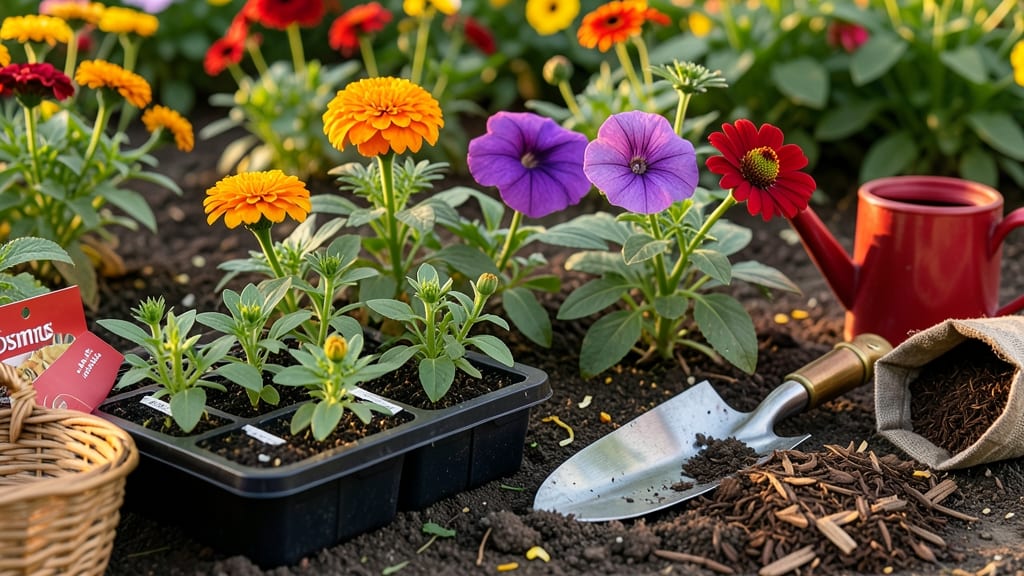
Timing your annuals planting in Maryland can make the difference between a vibrant garden and one that struggles to take root—especially with our 7a-8a climate and unpredictable spring weather.
Whether you're dreaming of 🌸 marigolds brightening your Baltimore patio or basil thriving in your Annapolis herb garden, getting the schedule right is everything.
Most Maryland gardeners know the general rule: plant after the last frost, which typically lands around mid-April. But here’s the catch—your exact timing depends on whether you’re growing cool-season favorites like pansies or heat-loving zinnias.
Even within the state, microclimates (like the cooler Piedmont or coastal humidity) can shift your planting window by weeks.
In this guide, I’ll break down the best months for your specific annuals, how to adjust for Maryland’s frost pockets, and which varieties will reward you with longer blooms or bigger harvests. No more guessing—just a foolproof plan tailored to your garden’s conditions.
Ready to turn your Maryland garden into a year-round showstopper? Let’s get those annuals in the ground at the perfect moment for your zone.
Maryland’s annual planting calendar by last frost dates & microclimates
Maryland’s USDA zones 6b-7a create a complex puzzle for gardeners, where Baltimore’s urban heat can delay frost by weeks compared to the Appalachian foothills. Understanding these microclimates is key to avoiding late spring frosts that can devastate tender seedlings.
Most of Maryland experiences its last frost around April 15, but coastal areas like Annapolis may see frost-free conditions by March 20, while Frederick County often waits until May 1.
For cool-season annuals like pansies, lettuce, and spinach, start seeds indoors 6-8 weeks before your last frost date. In Maryland, this means February 15-March 1 for most regions.
These plants thrive in 50-65°F soil temperatures and can even handle light frosts, making them ideal for early spring planting. Hardy varieties like kale can even survive 20°F temperatures once established.
Warm-season annuals, including tomatoes, peppers, and marigolds, demand patience—wait until two weeks after your last frost date to plant. In Maryland’s Zone 7a, this typically falls between April 25-May 10. Soil temperatures should be at least 60°F for optimal germination. Urban heat islands in cities like Baltimore may allow planting 1-2 weeks earlier, while higher elevations near Cumberland might delay planting until May 15.
| Region | Last Frost Date | Cool-Season Planting Window | Warm-Season Planting Window | Microclimate Notes |
|---|---|---|---|---|
| Coastal (Annapolis, Ocean City) | March 15-20 | February 15-March 1 | April 10-15 | Moderate humidity; coastal breezes delay frost. |
| Central (Baltimore, Annapolis) | April 1-15 | February 20-March 10 | April 20-May 5 | Urban heat islands can push dates earlier by 1 week. |
| Western (Frederick, Hagerstown) | April 15-May 1 | March 1-15 | May 1-15 | Late frosts common; wait until soil warms. |
| Mountains (Cumberland, Western MD) | May 1-15 | March 15-April 1 | May 15-30 | Cooler microclimates; extend season with row covers. |
Maryland’s fall planting window is just as critical, with first frost dates ranging from November 1-15.
For cool-season annuals, sow seeds 6-8 weeks before your first frost, meaning September 15-October 15 for most regions. Kale, spinach, and radishes are excellent choices, as they can tolerate light frosts and even sweeten up after a 25°F chill.
In Zone 7a, you can push the envelope by planting broccoli and cabbage as late as October 1, using row covers to extend the season.
If you’re growing warm-season annuals like basil or okra, consider succession planting in late summer. Start seeds indoors 8-10 weeks before your first frost (around July 15) and transplant seedlings in August.
These plants thrive in 75-85°F soil and can produce harvests until October if given enough warmth. Portulaca and zinnias are also great late-season picks, as they tolerate heat and drought conditions better than many other annuals.
One of the biggest mistakes Maryland gardeners make is ignoring microclimate variations. For example, a south-facing slope in Frederick County might warm up enough to plant tomatoes by April 25, while a north-facing garden in the same area could wait until May 10.
Always monitor your local weather station and consider investing in a soil thermometer to track temperatures accurately. Urban gardeners should also account for <
Heat-tolerant annuals that thrive in Maryland’s summer heat
Maryland’s summers can push temperatures past 85°F, making heat tolerance a must for annuals. The right varieties not only survive but thrive, blooming boldly from June through October.
My top picks include marigolds and zinnias, which handle humidity and occasional drought with ease. These plants also repel pests like aphids, giving your garden double protection.
For shade-loving spots, impatiens and fuchsias deliver vibrant color without wilting. They’re perfect for east-facing beds or under trees where full sun would scorch. Even portulaca—a succulent-like annual—stays perky with minimal water, making it ideal for rock gardens or containers on patios.
🌿 Top 6 Heat-Tolerant Annuals for Maryland
- Marigolds 🌼 | Full sun, drought-resistant, pest-repellent
- Zinnias 🌻 | 6+ hours sun, long bloom time, attracts butterflies
- Portulaca 🌵 | Zero water, succulent texture, edible flowers
- Lantana 🌺 | Drought-proof, long-lasting blooms, hummingbird magnet
- Impatiens 🌸 | Shade-tolerant, non-stop blooms, great for containers
- Fuchsia 🌷 | Partial shade, unique blooms, humidity-loving
Don’t overlook vegetable annuals like okra and sweet potatoes, which love Maryland’s heat. Okra thrives in poor soil and produces pods in as little as 50 days. Meanwhile, sweet potato vines create a stunning living mulch while yielding edible tubers.
For herbs, basil and cilantro bolt quickly in summer, but rosemary and thyme stay green and fragrant all season.
Pro tip: Pair heat-lovers with companion plants like basil (which deters mosquitoes) or nasturtiums (edible and pest-repelling). This triples your garden’s productivity while keeping it lush. Just
If your garden has partial shade, try coleus or begonias for vibrant foliage that won’t crisp in the sun. These thrive in morning sun with afternoon shade, perfect for woodland gardens or north-facing beds. For containers, geraniums and petunias handle heat well when kept consistently moist.
Always check your local frost dates—even heat-tolerant annuals need time to establish roots before Maryland’s late spring frosts (common in Frederick County). Start seeds indoors 4-6 weeks before your last frost date (typically mid-April in most zones) to give them a head start.