
Trees
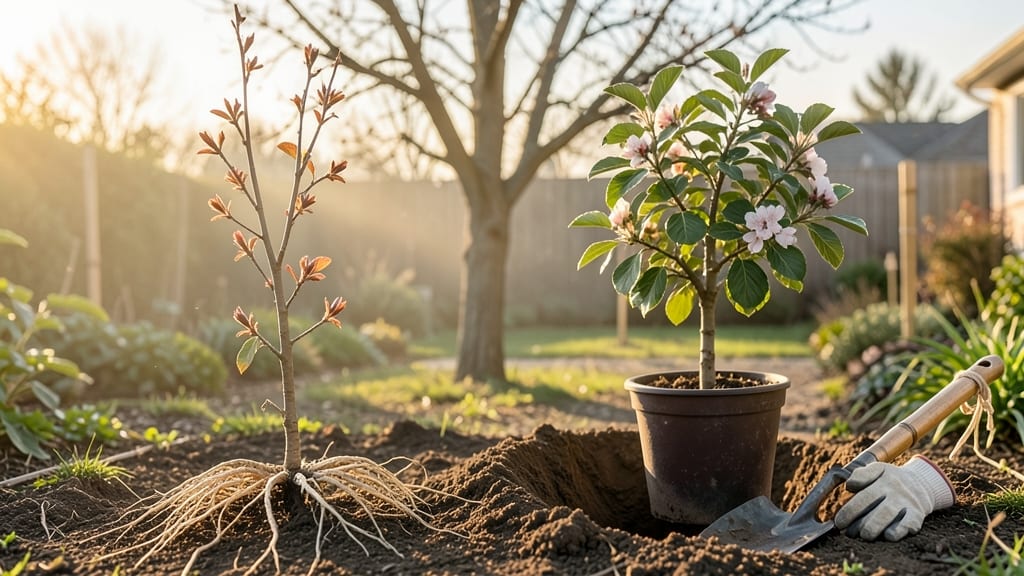
Planting an apple tree 🍎 in England isn’t just about sticking a sapling in the ground—it’s about catching that narrow window between soil warmth and frost risk that makes all the difference.
Get the timing wrong, and your young tree could struggle with stunted growth or frost damage before it even takes root.
If you’re ready to grow a thriving orchard, understanding when to plant apple trees in England is the key.
The ideal period runs from late autumn to early spring, but regional differences—like milder winters in the southwest versus colder spells in the north—mean your exact timing should be tailored to your location.
I’ll walk you through the science behind soil temperatures, frost-free periods, and how to adjust your schedule whether you’re in London’s 8a zone or the warmer 9a Southwest.
Plus, I’ll share the best signs your planting window is perfect so you can avoid common mistakes that waste time and money.
Ready to set your apple tree 🍎 up for success? Let’s dive into the exact months, regional tweaks, and care tips that’ll give your orchard the best start possible.
Best planting months for apple trees in England: soil temperature & frost risk guide
Planting apple trees in England requires careful timing to avoid frost damage and soil overheating. The ideal window is November to March, when soil temperatures hover between 5-10°C (41-50°F). This dormant period allows roots to establish without competing with active growth above ground.
In England, bare-root trees thrive best when planted in winter months, while container-grown saplings can be set out in early spring (March-April). The key is avoiding frost-sensitive periods when buds begin to swell in late winter.
🌱 Apple Tree Planting Timeline for England
| Month | Soil Temp (°C) | Frost Risk | Planting Suitability |
|---|---|---|---|
| November | 5-8°C | High | ✅ Best for bare-root |
| December | 4-7°C | Very High | ✅ Safe if soil isn't frozen |
| January | 3-6°C | High | ⚠️ Only if ground isn't frozen |
| February | 5-9°C | Moderate | ✅ Ideal for container-grown |
| March | 7-12°C | Low | ✅ Best for all types |
| April | 10-15°C | Low | ⚠️ Late planting risks drought stress |
For bare-root apple trees, the November-January window is perfect because the tree isn't actively growing, reducing transplant shock. In southern England, where winters are milder, you can extend planting into early February.
If you're using container-grown saplings, March-April offers the best balance of warmer soil and lower frost risk. These trees can handle slightly higher temperatures but still benefit from established roots before summer heat arrives.
Always check the Royal Horticultural Society's frost charts for your specific region, as London and Southwest England experience later frosts than Yorkshire or Scotland. A soil thermometer (£10-£15) helps verify when temperatures reach the 5°C minimum for safe planting.
After planting, mulch heavily with organic matter to insulate roots from temperature fluctuations. This is especially critical in northern England, where sudden frost returns can occur even in late winter.
I once planted an apple tree in late April in Sussex, only to watch it struggle through a dry summer. The lesson? When in doubt, plant earlier rather than later—your tree's long-term health depends on it.
For dwarf varieties like 'Cox's Orange Pippin' or 'Bramley's Seedling', timing is equally critical. These need the same 5-10°C soil but benefit from earlier establishment to support their heavy fruit loads.
Remember: No plant is 100% frost-proof, even mature apple trees. The first 2 years are the most vulnerable, so protect young trees with fleece wraps if late frosts threaten.
How to adjust planting timing by UK region: south vs. north England differences
England’s diverse climate means planting apple trees in Dorset or Kent differs from Yorkshire or Northumberland. Southern regions enjoy milder winters, while northern areas face harsher frosts. Understanding these differences helps you avoid frost damage or delayed root establishment.
The Royal Horticultural Society (RHS) recommends using local frost charts to refine your schedule. Southern England typically sees its last frost by late February, while northern areas may not thaw until mid-April. This shift can delay planting by 4-6 weeks in colder regions.
| Region | Last Frost | First Frost | Ideal Planting Window |
|---|---|---|---|
| Southern England (e.g., Dorset, Kent) | Late February | Early November | November–March |
| Central England (e.g., London, Birmingham) | Mid-March | Mid-November | February–April |
| Northern England (e.g., Yorkshire, Scotland border) | Mid-April | Early October | March–May |
For container-grown apple trees, southern gardeners can plant as early as late autumn, while northern growers should wait until early spring when soil temperatures exceed 5°C (41°F). Use a soil thermometer to verify—cold soil slows root growth.
In warmer microclimates like coastal areas or sheltered valleys, you might extend planting into early April. However, avoid planting after bud break, as new growth risks frost damage. Check the Met Office’s 5-day forecast before committing to late-season planting.
Northern gardeners should prioritize hardy apple varieties like Bramley’s Seedling or Cox’s Orange Pippin, which tolerate colder winters. Southern regions can experiment with later-flowering varieties like Gala or Fuji, which avoid early spring frosts.
Regardless of location, always mulch heavily after planting to insulate roots from temperature swings. In northern areas, add an extra 10cm (4in) of mulch to protect against winter frosts. Adjust watering too—southern trees may need less frequent watering due to higher evaporation rates.