Trees
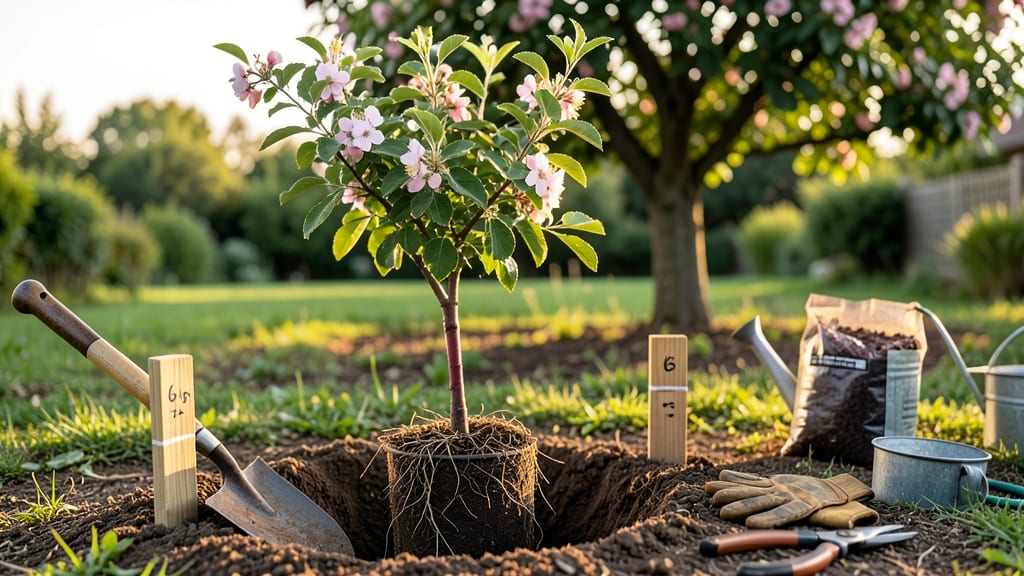
Knowing when to plant apple trees in Indiana can mean the difference between a thriving orchard and wasted effort. The 🍎 you dream of harvesting in late summer depends on getting those roots in the ground at just the right time—before Indiana’s unpredictable frosts strike.
Indiana’s 5b-6b climate gives you two ideal windows: early spring (March-April) or fall (October). Planting too early risks frost damage, while waiting too late can leave young trees vulnerable before winter. The key is matching your variety to Indiana’s chill-hour requirements—like Honeycrisp needing 600+ hours of cold.
Whether you’re starting with bare-root saplings or container-grown trees, timing matters just as much as soil prep. I’ll walk you through the best methods for Indiana’s microclimates, so you can set your trees up for success from day one.
Let’s break down the exact steps to choose the perfect planting window, avoid common mistakes, and ensure your apple trees grow strong enough to bear fruit for years to come.
Best planting months for Indiana apple trees by chill-hour zone
Indiana’s USDA zones 5b-6b create a unique challenge for apple growers—too much chill can stunt varieties, while too little leads to poor fruit set. The key is planting during optimal windows when trees can establish roots before winter or summer heat.
For Indiana, this means early spring (March-April) or fall (October), with variety-specific adjustments based on chill-hour requirements.
Most Indiana gardeners focus on spring planting because it allows trees to grow roots before summer’s heat stress. However, fall planting works well for bare-root trees, giving them time to root before dormancy.
The last average frost date (around April 15) and first frost (around October 15) bookend your planting windows.
Here’s how to match planting months to Indiana’s chill-hour zones and popular apple varieties:
For bare-root trees, fall planting (October) is ideal because trees enter dormancy naturally, reducing transplant shock. If you choose container-grown trees, spring planting (March-April) gives them time to adjust before summer’s heat. My personal rule? Plant by April 15 to avoid late frosts that can damage new growth.
Indiana’s microclimates also matter—southern Indiana (warmer) may support varieties like Gala or Jonathan, while northern areas (colder) thrive with Cortland or Haralson. Always check the chill-hour requirements of your chosen variety against Indiana’s 500-900 chill-hour range.
Pro tip: Use mulch (4-6 inches) after planting to retain moisture and regulate soil temperature. This is especially critical in Indiana’s hot summers and cold winters. For container trees, water deeply every 5-7 days until established.
If you’re planting in fall (October), aim to finish by mid-October so roots can establish before winter. Avoid planting in November or December—trees won’t have time to root before dormancy sets in. For spring planting, March is best—soil is workable, and frost risk is lower.
Remember, soil temperature matters too. Wait until the ground reaches 45°F or warmer for spring planting. Use a soil thermometer to check—this prevents root rot from cold, wet soil.
For Indiana gardeners, the best month is almost always March or April, but fall planting can work if you choose the right variety and prepare the soil properly. My top recommendation? Honeycrisp in spring for southern Indiana or Haralson in fall for northern areas.
How to match apple varieties to Indiana’s microclimates for maximum success
Indiana’s USDA zones 5b-6b create unique microclimates where some apple varieties thrive while others struggle. Northern Indiana (like Gary) needs 800+ chill hours for varieties like Cortland, while southern Indiana (like Evansville) can grow Gala or Fuji with just 400-600 chill hours.
The key is selecting trees that match your local chill hours and last frost dates.
For central Indiana (Indianapolis area), Honeycrisp and Jonathan are excellent choices with 600-800 chill hours. These varieties also handle Indiana’s humidity well and resist common diseases like apple scab. Always check the chill-hour requirements on the nursery tag before buying.
🌱 Pro Tip: If you’re unsure about your chill hours, use this formula: (Average winter low × 90 days) = Estimated chill hours. For example, if your winter low is 10°F, you’ll likely have 900+ chill hours.
🌳 Key Takeaways for Indiana Apple Trees
- 📍 Northern IN (Zones 5b-6a): Plant Haralson or Rome (900+ chill hours).
- 📍 Central IN (Zones 6a-6b): Choose Honeycrisp or Jonathan (600-800 chill hours).
- 📍 Southern IN (Zone 7a): Opt for Gala or Fuji (400-600 chill hours).
- ⏰ Plant in early spring (March-April) or fall (October) after leaves drop.
- 🌡️ Avoid frost pockets—plant on a south-facing slope for warmth.
When selecting your apple tree, rootstock size matters just as much as variety. Dwarf rootstock (like M.9) keeps trees manageable for small yards, while semi-dwarf (MM.106) works well in larger spaces. Standard rootstock (like Seedling) is best for orchards but needs more space.
Before planting, amend your soil with compost and a balanced fertilizer (10-10-10). Indiana’s clay-heavy soils benefit from gypsum to improve drainage. Dig a hole twice as wide as the root ball but only as deep—planting too deep can strangle the tree.
After planting, mulch heavily (3-4 inches) with wood chips to retain moisture and regulate soil temperature. Water deeply once a week during the first growing season, ensuring the root zone stays moist but not waterlogged. Prune in late winter to remove dead wood and open the canopy for better airflow.
🍎 Remember: Indiana’s variable weather means your apple tree’s success depends on proactive care. Start with the right variety, plant at the right time, and give it consistent water and nutrients—your future harvests will thank you!