
Plants
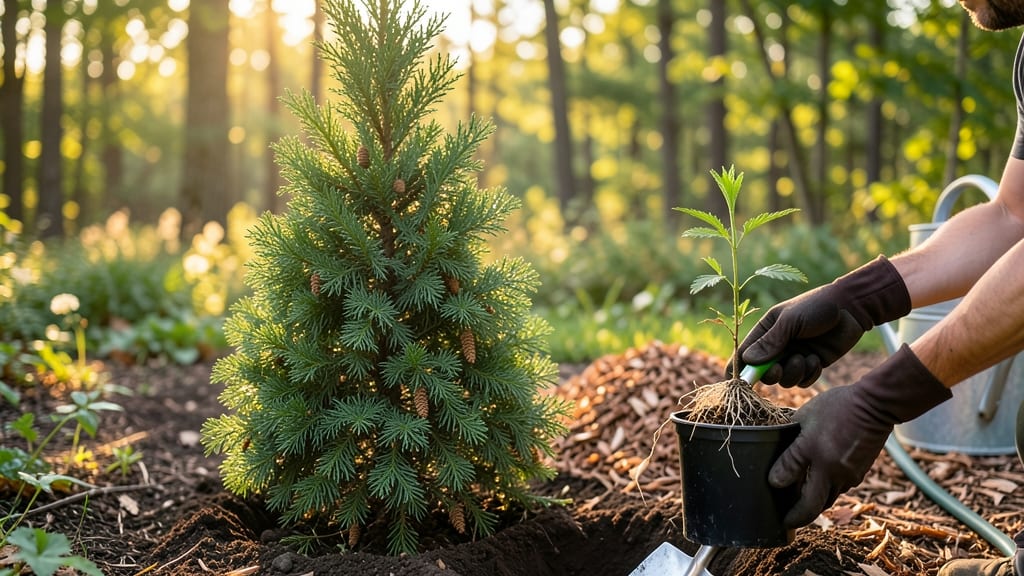
Planting arborvitae in Ohio at the wrong time can mean the difference between a thriving 🌲 and a struggling evergreen that never quite takes root. With Ohio's unpredictable spring weather and late frosts, timing is everything—especially when you want fast, healthy growth from your new trees.
Most Ohio gardeners know the basics: early spring or early fall are the go-to planting windows. But what does that really mean for your specific zone?
Whether you're in USDA Zone 6a or nearby regions, understanding your local frost dates is the key to avoiding transplant shock and giving your arborvitae the best possible start.
In this guide, I'll break down exactly when to plant arborvitae in Ohio—including the frost-free zone map you need to know—so you can time your planting for maximum root growth.
We'll also compare spring vs. fall planting, share pro tips for Ohio's tricky transitional seasons, and help you avoid common mistakes that slow down establishment.
Ready to give your arborvitae the perfect start? Let's dive into the fastest way to get your evergreens thriving in Ohio's climate—no guesswork required.
Ohio’s frost-free zones for arborvitae planting: best months by region
Ohio’s USDA hardiness zones 5b-6b create a 165-day frost-free window, but planting arborvitae too early or late can stress young roots. The sweet spot for root establishment is when soil temps hit 50°F (10°C)—typically March-April for spring or September-October for fall.
Northern Ohio (zones 5b-6a) like Cleveland and Toledo face earlier last frosts (mid-April), while southern regions (zone 6b) like Cincinnati and Columbus enjoy 2-3 extra weeks of growing season.
NOAA data shows first frost arrives October 15 in most areas, so fall planting must finish by mid-September.
Your local microclimate matters too. Urban areas stay warmer than rural spots, while valleys experience colder pockets. Check Ohio State University Extension’s frost maps for your exact county before purchasing bare-root saplings or container-grown trees.
Here’s how Ohio’s three main regions break down for arborvitae planting:
| Region | USDA Zone | Best Planting Window | Last Frost Date | Key Consideration |
|---|---|---|---|---|
| Northern Ohio | 5b-6a | April 1–May 15 | Mid-April | Late frosts common; use frost cloth for early spring |
| Central Ohio | 6a | March 20–April 30 | Early April | Urban heat islands extend growing season by 1–2 weeks |
| Southern Ohio | 6b | March 1–April 15 | Late March | Longer frost-free season allows fall planting until October 1 |
For container-grown arborvitae, you can plant 1-2 weeks earlier than bare-root varieties since their roots aren’t exposed. However, avoid planting when soil is frozen—even if temps rise above freezing during the day. Use a soil thermometer to confirm 50°F+ soil temps at 6-inch depth.
Ohio’s variable spring weather can delay planting. If you miss the March-April window, hold off until September when soil stays warm but nights cool. Fall-planted trees benefit from moisture retention and established roots before winter dormancy.
Pro tip: Mulch heavily (3–4 inches of wood chips) after planting to insulate roots during Ohio’s temperature swings. This helps retain moisture and prevent soil heaving during freeze-thaw cycles.
Remember, arborvitae thrive in well-draining soil with 6+ hours of sun. If your yard has clay-heavy soil, amend with compost or sand before planting. Dwarf varieties like ‘Emerald Green’ adapt better to partial shade, while standard types need full sun for optimal growth.
Now that you’ve got your planting window locked in, let’s compare spring vs. fall planting to see which strategy works best for your Ohio landscape. 🌲
Spring vs. fall planting: which offers faster arborvitae growth in Ohio?
Ohio’s variable climate makes choosing between spring and fall planting critical for your arborvitae’s survival. Both seasons offer advantages, but soil temperatures, moisture, and frost risks play starring roles in determining which timing yields the fastest root growth.
Let’s break down the pros and cons so you can decide what works best for your yard.
Spring planting gives your arborvitae a head start by aligning with Ohio’s warmer soil temperatures, which encourage root development. However, late frosts—common in April and early May—can damage tender new shoots.
Fall planting, on the other hand, allows roots to establish before winter dormancy, but cooler soils may slow early growth. The key is understanding how these factors interact in Ohio’s USDA zones 5b-6b.
Soil temperature is the game-changer. Arborvitae roots thrive in 50°F+ soil, which Ohio typically hits by mid-April in most regions. Spring planting in March or early April gives roots 4–6 weeks of warm soil before summer heat arrives. Fall planting in September or early October offers 6–8 weeks of root growth before the first frost, but cooler soils can delay establishment.
Spring Planting
Pros
- Warmer soil speeds root growth
- Longer growing season for establishment
- Easier to monitor for pests
Cons
- Risk of late frost damage
- Drier soil in summer months
- Competition from weeds
Fall Planting
Pros
- Cooler temps reduce stress
- Established roots before winter
- Fewer weeds to compete
Cons
- Slower root growth in cool soil
- Limited time for recovery if frost hits early
- Harder to water deeply in cold weather
For fastest growth, I recommend spring planting in early April if you’re in southern Ohio (zones 6a-6b), where frost risks are lower. In northern Ohio (zone 5b), wait until mid-April to avoid late frosts.
Fall planting in early September is ideal for northern regions, giving roots time to harden off before winter. Always check local NOAA frost forecasts to adjust your timeline.
One trick I’ve used is to mulch heavily after planting—whether in spring or fall—to insulate roots and retain moisture. A 3-inch layer of shredded bark mulch can make a 10°F difference in soil temperature, protecting young roots from extreme swings.
Pair this with a deep watering schedule (every 7–10 days), and your arborvitae will have the best shot at thriving.
Remember, arborvitae are resilient, but timing matters. Whether you choose spring’s warmth or fall’s gentle transition, prioritize soil prep and consistent moisture to set your tree up for success.
With the right approach, you’ll see 3–5 feet of growth in just 2 years—a sight no gardener wants to miss! 🌲