
Plants
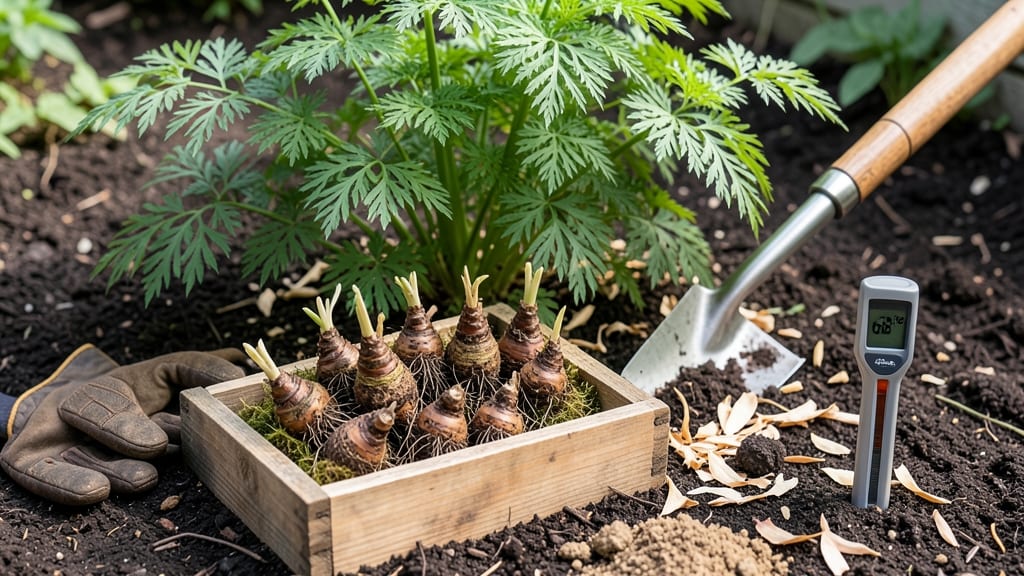
Planting asparagus in Florida might seem tricky with its endless summer heat, but timing is everything to avoid bitter, woody spears and maximize your harvest.
The key isn't just picking a month—it's choosing the right season to give your 🌱 asparagus crowns the best shot at thriving in Florida's unique climate.
Most gardeners swear by fall planting between September and November, when soil stays warm but temperatures aren't scorching. This gives roots time to establish before the real heat hits, and you'll see spears emerge earlier next spring.
Early spring (February–March) is another solid window, especially for northern Florida gardeners in zones 8a-9a.
Why does timing matter so much? Florida's lack of frost means asparagus can grow year-round, but bolting (premature flowering) becomes a real threat when days get too long or hot. The right planting window helps you skip that bitter phase entirely and enjoy tender spears for years to come.
I'll walk you through exactly how to time your planting, which heat-resistant varieties work best in Florida, and the simple care routine that keeps your asparagus producing like clockwork—no bolting, no stress. Let's get those crowns in the ground the right way.
Best planting times for asparagus in Florida’s growing zones
Florida’s frost-free climate means you can plant asparagus year-round, but timing is everything to avoid bolting (premature flowering) and maximize spear production. The key windows are fall (September–November) and early spring (February–March), when soil temperatures hover between 60–75°F—ideal for root establishment without heat stress.
In Florida’s USDA Zones 8A–10A, asparagus thrives in warm winters but struggles with summer heat. Planting in fall lets crowns establish roots before winter rains, while spring planting risks early bolting if temperatures spike too soon.
Northern Florida (Zone 8A) has slightly cooler winters, so late winter planting can work, but southern regions (Zone 9A+) should stick to fall for best results.
Here’s how Florida’s zones break down for optimal planting:
| Zone | Best Planting Window | Soil Temp Threshold | Key Consideration |
|---|---|---|---|
| 8A (North FL) | Late February–March or September–October | 60–70°F | Cooler winters; avoid spring planting if temps rise above 80°F early. |
| 9A (Central FL) | September–November (best) or January–February | 65–75°F | Hot summers; fall planting avoids bolting from heat stress. |
| 10A (South FL) | September–October (only window) | 70–80°F | Year-round heat; spring planting risks immediate bolting. |
For zero-bolt harvests, prioritize fall planting in most of Florida. Crowns planted in September–November have time to root deeply before winter rains, then produce spears in spring (March–May) without succumbing to summer heat.
In Zone 8A, late winter planting (February) can work if you irrigate consistently to prevent early bolting.
If you miss fall, early spring (January–February) is your second-best window, but monitor soil temperatures closely. Plant when daytime highs stay below 80°F—any hotter, and your asparagus may bolt before producing spears. Use shade cloth (30–50%) over newly planted crowns in spring to reduce heat stress.
Soil preparation is critical in Florida’s sandy soils. Amend with 2–3 inches of compost and a balanced fertilizer (5-10-10) before planting. Asparagus crowns need 12–18 inches of loose soil to spread roots—don’t plant in heavy clay or waterlogged spots.
Raised beds with coarse sand or perlite improve drainage in Florida’s humid climate.
After planting, mulch with 3–4 inches of pine straw or wood chips to retain moisture and suppress weeds. Florida’s summer rains can leach nutrients, so side-dress with compost every 3–4 months during the growing season.
Avoid fertilizing in June–August—the plant enters a natural dormancy to survive heat, and extra nutrients can trigger bolting.
Remember: Asparagus is a perennial that takes 2–3 years to reach full production. The first year is all about root growth—no harvesting! In Florida, this means your fall-planted crowns will produce spears in spring of year 2, with peak yields by year 3.
Patience pays off with 10–15 years of harvests if cared for properly.
For Florida gardeners, the secret to success is timing + heat management. Plant in fall, mulch heavily, and avoid over-fertilizing in summer. With these steps, you’ll enjoy tender, zero-bolt spears year after year—no matter how hot it gets! 🌿
Best planting times for asparagus in Florida’s growing zones
Florida’s frost-free climate means you can plant asparagus year-round, but timing is everything to avoid bolting (premature flowering) and maximize yields. The ideal windows are fall (September–November) and early spring (February–March), when soil temps stay cool enough to encourage root establishment without stressing the crowns.
In USDA Zones 8A–10A, asparagus thrives best when planted before the hottest months (June–August). Fall planting lets crowns establish roots in mild weather, while spring planting gives them a head start for the next harvest season.
Northern Florida (Zone 8A) has slightly cooler winters, so late winter (January–February) is also viable.
Soil temperature is critical—aim for 60–70°F at planting depth (6–8 inches). Florida’s summer heat can cause crowns to bolt prematurely, so avoid planting in May or later unless you’re using shade cloth or mulch to protect them.
🌱 Florida Asparagus Planting Comparison
| Zone | Best Planting Window | Soil Temp Goal | Key Consideration |
|---|---|---|---|
| 8A (North FL) | September–November or January–February | 60–70°F | Cool winters; watch for light frosts |
| 9A–10A (Central/South FL) | September–November (primary) or February–March | 65–75°F | Year-round heat; prioritize shade in summer |
⚠️ Pro Tip: Test soil pH (6.5–7.0 ideal) and amend with compost before planting to improve drainage in Florida’s heavy clay soils.
For container growing, timing is even more critical. Plant in late summer (August) so roots establish before winter rains. Use well-draining potting mix and larger pots (15+ gallons) to prevent root-bound stress. Containers dry out faster in Florida’s heat, so daily watering is essential for the first month.
After planting, mulch heavily (3–4 inches of straw or wood chips) to retain moisture and regulate soil temperature. This is especially important in Zone 10A, where summer heat can cause crowns to bolt within weeks if not managed properly. Mulch also suppresses weeds, reducing competition for nutrients.
Remember: Asparagus is a perennial, so the first year is all about root growth—no harvest! Plan your planting window to align with your patience level and Florida’s unpredictable summer storms. With the right timing, you’ll enjoy harvests for 10–15 years.