
Plants
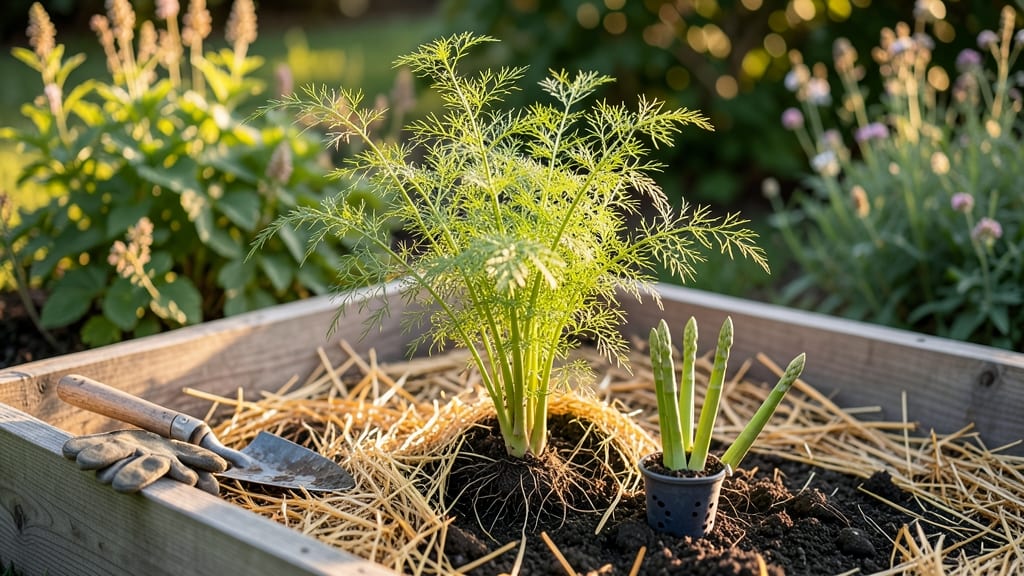
Planting asparagus in Illinois isn’t just about throwing crowns into the dirt—it’s about timing your spring move to avoid a three-year wait for your first harvest.
The key? Getting those crowns in the ground when soil temps hit 50°F and frost threats fade, usually between March and April in zones 5b-6b.
Why does this matter? Because asparagus is a perennial crop that rewards patience—once established, it’ll feed you for decades. But rush it, and you risk stunted growth or even failure. Illinois’ unpredictable late frosts and heavy clay soils add another layer of challenge, making the right window even more critical.
I’ll break down the exact dates for your region, soil prep secrets to bypass Illinois’ drainage issues, and how to spot the perfect moment to plant for a harvest as early as Year 3. No more guessing—just science-backed timing for your homegrown asparagus success.
Ready to turn your garden into a spear-producing powerhouse? Let’s dive into the zone-specific steps that’ll have you harvesting by next May.
Best planting dates for asparagus in Illinois by hardiness Zone
Asparagus thrives in Illinois’ USDA Zones 5b-6b, but the perfect planting window depends on soil temperature and frost risk. Unlike annuals, asparagus crowns need 3 years to establish before harvest—so timing is everything.
Plant too early, and frost will damage tender roots; too late, and your first harvest gets delayed by another year.
Most Illinois gardeners aim for late winter to early spring, when soil temps reach 40°F (4°C) at least 6 inches deep. This typically falls between mid-March and mid-April, but your exact date depends on whether you’re in northern (Zone 5b) or southern (Zone 6b) Illinois.
Northern regions should wait until after the last frost date (usually mid-April), while southern areas can plant as early as late February.
Here’s the key: Soil temperature matters more than calendar dates. Use a soil thermometer to confirm 40°F (4°C) consistency—this signals safe planting. In Illinois, this often aligns with St. Patrick’s Day (March 17) as a general guideline, but always verify with your local Cooperative Extension Service for hyper-local advice.
Asparagus crowns (not seeds) are the best choice for Illinois due to their faster establishment. Plant them in trenches 12 inches deep to encourage root growth downward. Seeds take 2-3 extra years to mature, making them impractical for our short growing season.
Pro Tip: If you miss the spring window, you can plant asparagus in early fall (September-October), but this is riskier in Illinois due to earlier frost dates. Fall planting requires 6-8 weeks of warm soil before the ground freezes, which is unpredictable in our climate.
Let’s break down the ideal planting windows by Illinois zone, including soil prep tips and frost risk factors. This comparison table will help you pick the perfect date for your region.
| Zone | Best Planting Window | Soil Temp Threshold | Last Frost Date | Notes |
|---|---|---|---|---|
| 5b (Northern IL) | Mid-April to early May | 40°F (4°C) or warmer | Mid-April | Wait for consistent warmth; frost risk high in April. |
| 6a (Central IL) | Late March to mid-April | 40°F (4°C) or warmer | Early April | Soil warms faster; plant earlier than Zone 5b. |
| 6b (Southern IL) | Late February to early March | 40°F (4°C) or warmer | Late March | Longest growing season; can plant earliest. |
| All Zones (Fall Option) | September-October | 50°F (10°C) or warmer | N/A | Risky; ensure 6-8 weeks of warm soil before frost. |
Once you’ve nailed the planting date, focus on soil preparation. Asparagus hates soggy roots but needs well-draining, fertile soil. In Illinois, this means amending clay-heavy soils with compost and avoiding low spots where water pools.
Aim for a pH of 6.5-7.5—test your soil before planting to adjust with lime (for acidic soil) or sulfur (for alkaline soil).
After planting, mulch heavily (3-4 inches) with straw or wood chips to retain moisture and suppress weeds. Asparagus is a perennial, so your trenches will stay in place for 15+ years—plan your garden layout accordingly!
The first year, resist the urge to harvest; let the plant focus on root and crown development.
Here’s a quick timeline for Illinois gardeners:
- Year 1: Plant crowns in spring; no harvest.
- Year 2: Light harvest (5-10 spears max).
- Year 3+: Full harvest (May-June).
If you’re eager to harvest sooner, consider container-growing asparagus in large pots (
Best planting dates for asparagus in Illinois by hardiness Zone
Illinois spans USDA zones 5a-6b, and your asparagus planting window shifts slightly depending on where you live. In northern Illinois (zones 5a-5b), aim for late March to early April when soil temps hit 50°F consistently.
Southern Illinois (zones 6a-6b) can plant 2-3 weeks earlier, often in mid-March, thanks to milder winters.
Why soil temperature matters: Asparagus crowns rot if planted in cold, wet soil. Use a soil thermometer to confirm readiness—50°F is non-negotiable. In Zone 5b, this usually aligns with mid-April after the last frost date (typically April 15).
🌱Pro Tip: Check your local frost dates via the Old Farmer’s Almanac or Illinois State Climatologist. Planting too early risks frost damage to tender shoots.
| Zone | Ideal Planting Window | Soil Temp Threshold | Last Frost Risk |
|---|---|---|---|
| 5a (Northern IL) | Late April - Early May | 50°F+ (consistent) | High (avg. April 20) |
| 5b (Central IL) | Mid-April - Late April | 50°F+ (consistent) | Moderate (avg. April 15) |
| 6a (Southern IL) | Early April - Mid-April | 50°F+ (consistent) | Low (avg. April 5) |
| 6b (Far Southern IL) | Late March - Early April | 50°F+ (consistent) | Minimal (avg. March 25) |
💡 Note: Use 1-year-old crowns (not seeds) for fastest results—harvests start Year 3!
For container growing in Illinois, plant in late April after all frost risk passes. Containers warm up faster, so monitor soil temps closely—50°F is still the goal. If your spring is unusually cold, delay until May to avoid crown rot.
🌿Variety Matters: Stick to Mary Washington or Jersey Knight—both thrive in Illinois’ climate. Avoid purple asparagus; it’s less cold-hardy and struggles with Illinois’ heavy clay soils.
Remember: Asparagus is a perennial, so Year 1-2 are all about root establishment. Planting at the right time ensures Year 3 harvests of 6-8 inches of spears by late May. Miss the window, and you’ll be waiting another year.