
Plants
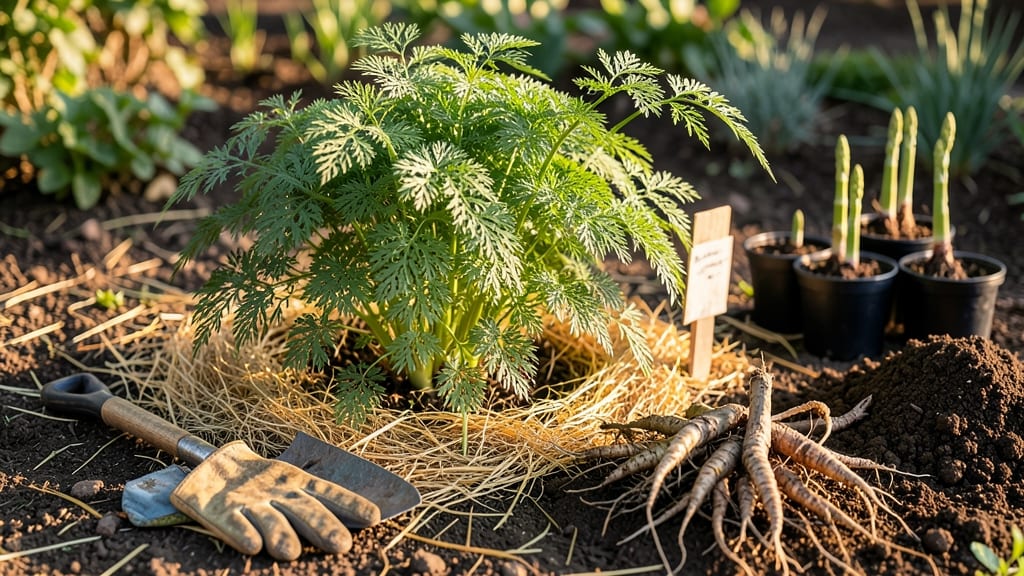
Timing your asparagus planting in Utah can mean the difference between a bountiful harvest and years of disappointment—especially with our unpredictable spring frosts and wide-ranging USDA zones 5-8.
If you’ve ever planted too early and lost your crowns to cold snaps, or too late and missed the ideal window, you’re not alone.
The key is understanding Utah’s microclimates: Northern Utah’s Zone 5-6 demands patience until soil warms in late March or April, while Southern Utah’s Zone 7-8 can start as early as February.
But getting it right isn’t just about the calendar—it’s about soil temperature, crown depth, and avoiding the 3 most common mistakes that ruin first-year growth.
In this guide, I’ll break down the exact months to plant for your specific Utah region, the cold-hardy varieties that thrive here, and step-by-step soil prep to ensure your asparagus survives—and thrives—for decades. No more guesswork, just reliable harvests.
Whether you’re a first-time gardener or a veteran Utah grower, these insights will help you plant with confidence and start enjoying those tender spears by late spring. Let’s get your asparagus off to the right start.
Best planting months for asparagus in Utah’s climate zones
Utah’s diverse climate zones—from the high desert of northern Utah to the warmer valleys of southern Utah—mean planting asparagus at the wrong time can spell disaster. Unlike annuals, asparagus crowns need 6-8 weeks to establish roots before winter, so timing is everything.
In Utah’s USDA Zones 5-8, the ideal window is early spring, but exact dates vary by location.
For northern Utah (Zones 5-6), like Salt Lake City or Ogden, aim to plant 4-6 weeks before the last frost, typically between early March and mid-April.
Southern Utah (Zones 7-8), such as St. George or Cedar City, can plant slightly earlier, around late February to early March, thanks to milder winters. Fall planting is risky in Utah due to unpredictable freezes, so stick to spring unless you’re in a microclimate with consistent warmth.
Soil temperature is just as critical as air temperature. Asparagus crowns won’t sprout until the soil reaches 50°F (10°C). Use a soil thermometer to confirm—cold soil delays growth and invites rot.
In Utah’s high-altitude areas, like Park City, wait until mid-April to avoid late frosts that can kill young shoots. Pro tip: Check your local USDA Plant Hardiness Zone map or Utah State University Extension for frost date updates each year.
Here’s how to decide your exact planting window based on your Utah location:
| Region | USDA Zone | Last Frost Date | Ideal Planting Window | Soil Temp Goal |
|---|---|---|---|---|
| Northern Utah (Salt Lake City, Ogden, Park City) | 5-6 | April 15 | Early March–Mid-April | 50°F (10°C) |
| Central Utah (Provo, Heber) | 6 | April 1 | Late February–Early April | 50°F (10°C) |
| Southern Utah (St. George, Cedar City) | 7-8 | March 15 | Late February–Early March | 50°F (10°C) |
| High Desert (Price, Moab) | 6-7 | April 10 | Mid-March–Early April | 50°F (10°C) |
If you’re planting in containers or raised beds, warm up the soil faster by adding black plastic mulch a week before planting. This trick works especially well in cooler microclimates, like Logan or Richfield, where soil stays chilly longer.
Just remove the mulch once shoots emerge to prevent overheating.
For gardeners in Zone 5 (e.g., northern Utah’s Cache Valley), consider starter plants from local nurseries. These crowns are already 1-year-old and can handle Utah’s late spring frosts better than seeds.
Plant them 8-12 inches deep—this depth protects them from temperature swings. Mulch heavily with straw or wood chips to insulate roots during Utah’s unpredictable spring.
One common mistake Utah gardeners make is planting too late. If you miss the March-April window, wait until next spring. Asparagus crowns planted in fall rarely survive Utah’s winters unless you live in Zone 8 (like Washington County).
Even then, fall planting requires extra care, like deep mulching and row covers.
To track your local frost dates, bookmark the Utah Climate Center or use the Almanac’s Frost Calculator. These tools adjust for elevation and microclimates, giving you precise planting dates.
For example, a garden in Draper (Zone 6) might plant in late March, while one in Delta (Zone 7) could start in February. Plan ahead—asparagus takes 2-3 years to reach full production, so early prep pays off.
Once you’ve nailed the planting window, focus on soil prep. Utah’s alkaline soils (common in
Best planting months for asparagus in Utah’s climate zones
Utah’s diverse climate—from the chilly high desert of northern regions to the warmer valleys of southern Utah—means planting asparagus requires careful timing. In Zone 5-6 (northern Utah), the last frost typically hits around April 15, while Zone 7-8 (southern Utah) sees frost-free soil by March 15.
Planting too early risks frost damage, while waiting too long delays the 3-year harvest window.
For optimal growth, aim to plant 1-year-old asparagus crowns in early spring (March-April), 4-6 weeks before your area’s last frost date. This gives roots time to establish before summer heat arrives.
In southern Utah, you can push planting to late February, but northern gardeners should wait until mid-April to avoid frost.
Soil temperature is critical—wait until the ground reaches 50°F (10°C) at a 4-inch depth. Use a soil thermometer to check, especially in high-elevation areas like Cache Valley, where cold snaps linger. If planting in fall, do so 6-8 weeks before the first frost (typically September-October in northern Utah), but this is riskier due to Utah’s unpredictable weather.
| Utah Region | USDA Zone | Last Frost Date | Best Planting Window | Soil Temp Goal |
|---|---|---|---|---|
| Northern Utah (Salt Lake City, Ogden) | 5-6 | April 15 | Mid-April to early May | 50°F (10°C) |
| Central Utah (Provo, Park City) | 6 | April 1 | Late March to April | 50°F (10°C) |
| Southern Utah (St. George, Cedar City) | 7-8 | March 15 | Late February to March | 50°F (10°C) |
In high-desert areas like Moab or Price, where nights stay cool longer, extend your planting window to May if spring is slow. Always choose a sunny, well-drained spot—asparagus hates soggy soil. Amend heavy clay with compost or sand to improve drainage, a common issue in Utah’s alkaline soils.
Pro tip: Use black plastic mulch to warm the soil faster in northern Utah. Lay it down 2-3 weeks before planting to create a microclimate that speeds up root establishment. This trick is especially helpful if you’re planting in April, when Utah’s mornings can still dip below freezing.
Remember, asparagus is a perennial investment—once planted, it can produce for 15-20 years if cared for properly. Don’t rush the process; timing your Utah planting right ensures your first harvest in Year 3 will be bountiful, not disappointing.