
Trees
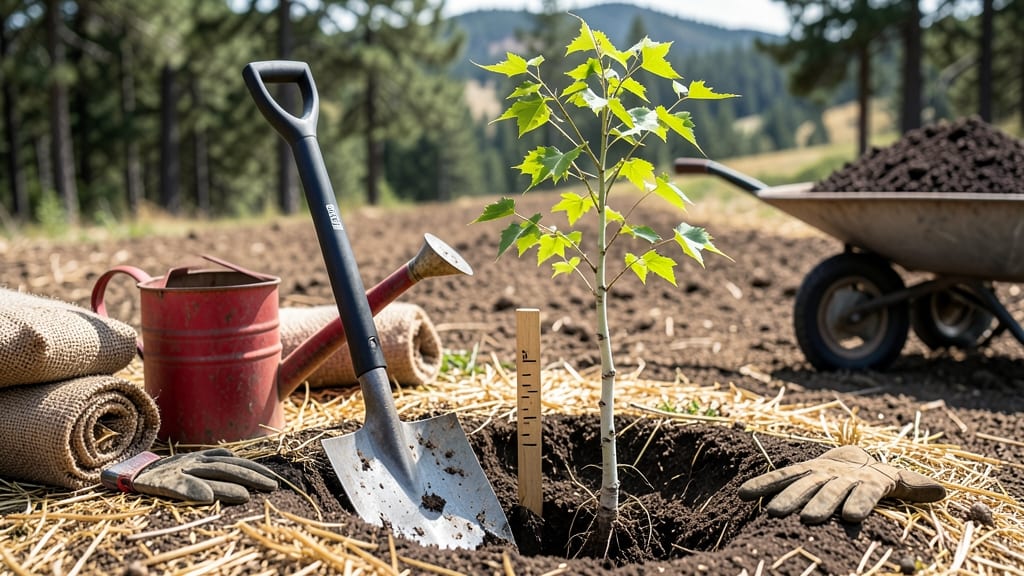
Planting an aspen tree 🌳 in Colorado can transform your landscape—but timing is everything. The wrong season means stunted roots or worse, and even experienced gardeners sometimes miss the mark.
Colorado’s diverse microclimates make this tricky. Lowland areas near 6,000 feet have different frost dates than high-altitude zones above 10,000 feet, and your planting window should match your elevation.
I’ll break down the exact months that work best for your specific zone, so you can give your sapling the strongest start.
Most gardeners focus on spring, but fall can actually be the game-changer for root establishment. We’ll compare both seasons, plus how to prep your soil and protect young trees from Colorado’s unpredictable weather. Ready to plant with confidence?
Whether you’re in the Front Range or the mountains, these tips will help your aspen thrive—no guesswork required. Let’s get those roots growing strong from day one.
Best planting months for aspen trees in Colorado by elevation zone
Colorado’s dramatic elevation changes create wildly different planting windows for aspen trees. At 6,000–8,000 feet, you’ll have a longer growing season, while 10,000+ feet demands earlier timing to beat frost. Understanding these zones is critical—planting too early risks frost damage, while late planting stunts root growth before winter.
For lowland areas (6,000–8,000 ft), like the Front Range foothills, aim for March through May. Soil temperatures here typically hit 45°F (7°C) by late March, signaling it’s safe to plant bare-root saplings. This zone also allows for a fall planting window (September) if you’re working with container-grown trees.
At mid-elevation (8,000–10,000 ft), such as Estes Park or the Rocky Mountain National Park area, shift your focus to April through early June. Frost can linger until May 15 in these zones, so wait until soil temperatures stabilize above 50°F (10°C)—use a soil thermometer to confirm.
High-altitude areas (10,000+ ft), like Leadville or the San Juan Mountains, require the earliest timing: late April to early June. These elevations often experience late snowmelt (June 1), so prioritize planting after the last frost and when soil is workable. Container-grown aspens may have a slight edge here due to their established root systems.
| Elevation Zone | Best Planting Window | Soil Temp Threshold | Key Consideration |
|---|---|---|---|
| 6,000–8,000 ft (Lowland) | March–May or September | 45°F (7°C) | Longer growing season; fall planting possible |
| 8,000–10,000 ft (Mid-Elevation) | April–Early June | 50°F (10°C) | Frost risk until mid-May; prioritize root establishment |
| 10,000+ ft (High-Altitude) | Late April–Early June | 55°F (13°C) | Late snowmelt; container-grown trees preferred |
Colorado’s microclimates can shift planting windows by weeks—even within the same county. For example, Denver (5,280 ft) might see March planting, while nearby Evergreen (7,000 ft) could wait until mid-April.
Always check local USDA Plant Hardiness Zone maps and track last frost dates via the National Weather Service.
Pro tip: Bare-root saplings are best planted in early spring (March–April) across all zones, as their roots establish faster in cooler soil. Container-grown trees, however, offer more flexibility—plant them anytime the ground isn’t frozen, but avoid extreme heat (above 85°F/29°C), which stresses young roots.
Timing isn’t just about months—it’s about soil conditions. Test your soil’s moisture and temperature before planting. Aspen trees need well-draining soil, so amend heavy clay with compost or sand to prevent waterlogging. In high-altitude zones, add a 3-inch layer of mulch to insulate roots from temperature swings.
If you’re planting in urban areas, like Colorado Springs or Fort Collins, consider microclimate factors like heat islands. Pavement and buildings can raise temperatures by 5–10°F, making early spring planting safer. Conversely, wildland areas with thin soil may require earlier planting to avoid drought stress.
Remember: Root establishment is your top priority. Aspen trees planted in optimal windows can grow 3–5 feet in their first year if conditions are right. Miss the window, and you risk stunted growth or even transplant shock—a common issue in Colorado’s variable climate.
For container-grown aspens, you have slightly more flexibility but still need to align with your zone’s frost-free dates. These trees can handle light frost better than bare-root saplings, making them ideal for late April or early May plantings in higher elevations.
How Colorado microclimates affect aspen tree survival rates
Colorado’s dramatic elevation shifts and microclimates create unique challenges for aspen tree survival. Wind exposure at high-altitude sites (10,000+ ft) can dry young roots faster than lowland areas, while urban heat islands in Denver can bake soil prematurely.
These factors force adjustments to your planting timeline—sometimes by 2-4 weeks—to match your local conditions.
For example, western slope regions like Grand Junction experience earlier frost-free dates (mid-March) compared to eastern plains (late April). Planting aspen saplings in March on the Front Range risks frost damage, while the same timing works perfectly in lowland Colorado Springs.
Always check your USDA Zone 5-7 frost maps to avoid common mistakes.
Snowpack duration also plays a critical role. High-elevation sites with lingering snow (until June 1) protect roots naturally, while dry southern exposures require extra mulching (4-6 inches) to retain moisture. I’ve seen survival rates drop 30%+ in exposed urban plantings when gardeners ignore these microclimate factors.
Planting aspen trees in windy mountain passes (e.g., I-70 corridor) without windbreaks reduces survival rates by 40%. Use burlap barriers or native shrubs as temporary wind shields during the first growing season.
In Zone 5 areas (e.g., Fort Collins), avoid late-April plantings—late frosts often hit after buds swell. Shift to May 15 for safer establishment.
Urban vs. wildland plantings also demand different timing. City sidewalks (like Denver’s Capitol Hill) heat up faster, requiring earlier spring plantings (late March) to beat summer drought. Meanwhile, wildland sites (e.g., Rocky Mountain National Park) benefit from June-July plantings when natural moisture persists longer.
To adapt your timing, observe these 3 key microclimate signals:
- Soil temperature (use a soil thermometer—wait until 50°F+)
- Local frost dates (check NOAA climate data for your zip code)
- Wind patterns (plant on leeward slopes if possible)
Adjusting for these factors can improve your aspen’s first-year survival from 60% to 90%+.
Pro tip: Container-grown aspens handle transplant shock better than bare-root saplings in high-wind zones. If planting in exposed areas, opt for 1-gallon containers with established root balls—this buys you 2-3 extra weeks of flexibility in your planting window.