
Plants
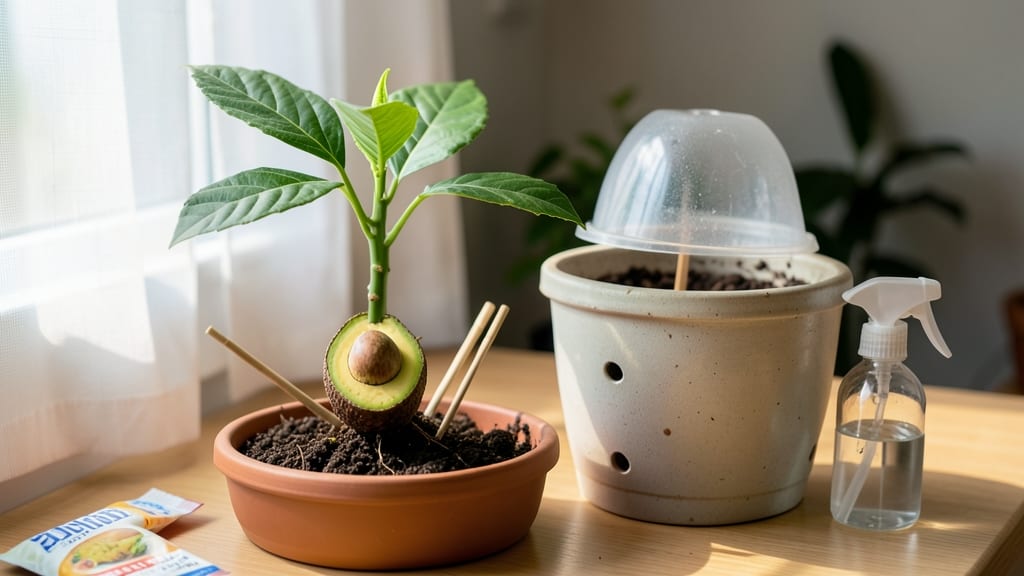
Planting your avocado pit in soil at the wrong time can mean the difference between a thriving 🥑 tree and a sad, moldy pit. The key to faster germination? Timing it right—typically between March and April after the last frost—when soil temperatures hit that sweet spot for root growth.
Most gardeners make one of two mistakes: planting too early when soil is still cold, or waiting too long and missing the ideal window. In USDA Zone 6a, that means aiming for late March or early April, but if you live in warmer climates, you can start earlier.
The goal? Get those roots growing before summer heat sets in.
Here’s the game-changer: a little prep work called stratification can speed up germination by weeks. Whether you’re starting indoors or outdoors, understanding when to plant—and how to prep your pit—is the secret to success. Let’s break down the exact steps to get your avocado tree off to a fast start.
Ready to avoid the common pitfalls? I’ll walk you through the best timing cues, from soil temperature checks to frost-free deadlines, so you can plant with confidence and watch those roots sprout in record time.
Optimal timing for planting avocado pits in soil: month-by-month guide
Timing your avocado pit planting is the secret to beating the 60-80% failure rate most gardeners face. Unlike seeds, avocado pits need warmth, moisture, and stratification to break dormancy—plant too early, and rot sets in; too late, and germination stalls.
The best window depends on your climate zone and whether you're starting indoors or outdoors.
For USDA Zones 8-11 (tropical/subtropical), aim for late winter to early spring (February–March). In Zones 6-7 (temperate), wait until after the last frost (typically April–May) to avoid cold damage to young roots. If you live in Zone 5 or colder, treat your pit as a houseplant until spring.
Soil temperature is your #1 indicator. Avocado pits germinate best when soil reaches 60–70°F (15–21°C). Use a soil thermometer or check local frost-free dates—most regions hit this mark in March or April.
Pro tip: If your soil is still chilly, start your pit in potting mix indoors under grow lights.
Here’s how month-by-month timing breaks down for indoor vs. outdoor planting, including stratification steps to speed up germination:
Stratification is non-negotiable for avocado pits. Without it, germination can take 6–12 months—or never happen. The process mimics natural warmth and moisture cycles the pit would experience in the wild
Optimal timing for planting avocado pits in soil: month-by-month guide
Timing your avocado pit planting is all about balancing soil warmth and frost risk. In USDA Zone 6a, aim for late March to early April—after the last frost date (typically around April 15).
This window gives roots time to establish before summer heat arrives, which can dry out young seedlings.
Warmer climates (Zones 8-10) can start as early as February, while colder regions (Zones 5 or below) may need to wait until May. The key is soil temperature: roots thrive when soil reaches 60°F or warmer.
Use a soil thermometer to check—if it’s below 55°F, hold off planting.
🌱
For indoor starts, begin 2-3 months before your last frost date. This gives roots time to develop before transplanting outdoors. If you’re in a tropical climate, plant year-round, but aim for the dry season to reduce fungal risks.
Pro tip: If your soil is still chilly, use black plastic mulch to warm it up faster. This trick can add 5-10°F to soil temperature, speeding up germination. Just remove it once roots appear to avoid overheating.
🌡️
Remember, avocado pits need consistent moisture but well-draining soil. Planting too early in cold, soggy soil leads to rot, while waiting too long risks weak seedlings. Strike that balance, and you’ll see sprouts in 4-8 weeks!