
Plants
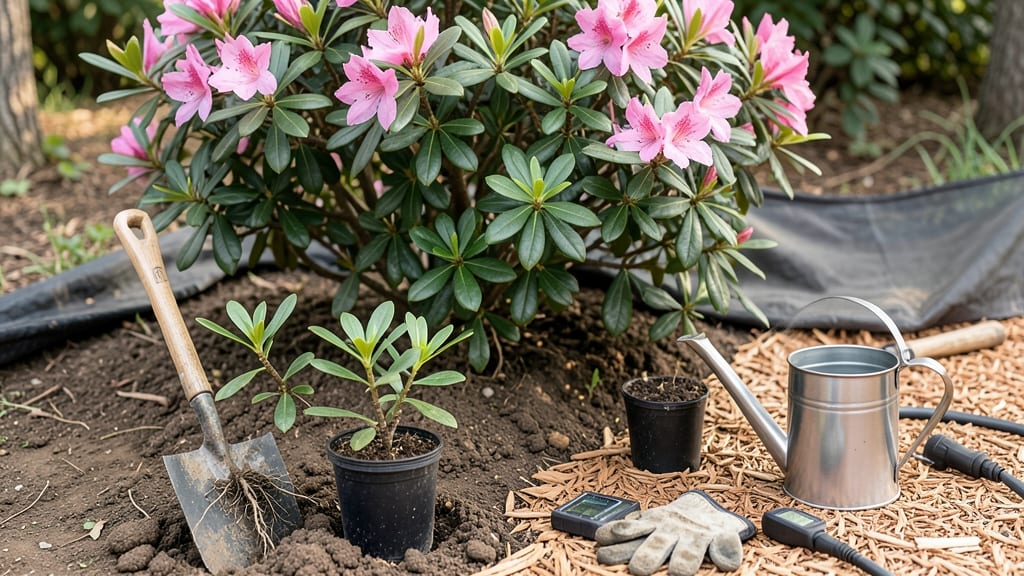
Timing your azalea planting in Zone 9 could mean the difference between vibrant blooms and struggling shrubs. Unlike cooler climates, Zone 9’s mild winters and hot summers demand a precise window—too early and you risk heat stress, too late and your roots won’t establish before summer’s peak.
If you’ve ever watched your azaleas 🌸 wilt under Zone 9’s unforgiving sun or wondered why neighbors’ plants thrive while yours struggle, the answer lies in understanding the ideal months for planting. The secret? Planting during those critical weeks when temperatures cooperate—neither scorching nor unpredictable.
In this guide, I’ll break down the exact months to plant azaleas in Zone 9, including regional tweaks for coastal vs. inland areas.
You’ll also discover how to prep your soil, water smartly, and protect your plants from summer’s worst heat—so your azaleas not only survive but thrive year after year.
Ready to transform your garden? Let’s dive into the best strategies for planting azaleas in Zone 9 without the guesswork.

Optimal planting months for azaleas in Zone 9: avoiding frost and heat stress
Zone 9 gardeners enjoy year-round growing potential, but azaleas thrive best when planted during cooler months. Unlike northern climates, frost isn't a major concern in Zone 9, but summer heat stress and drought conditions can stunt root growth if planted too late.
The ideal window spans from late fall to early spring, with October through February offering the best balance of mild temperatures and consistent moisture.
For maximum root establishment, aim to plant azaleas 6-8 weeks before summer heat peaks. This means early fall (October-November) is my top recommendation—roots settle in before Zone 9's intense summer sun arrives.
If you miss this window, late winter (February) is your second-best option, just as spring rains begin to support new growth.
Coastal vs. inland Zone 9 creates micro-climate variations worth noting. Coastal areas like Southern California experience milder winters and higher humidity, allowing planting into early December. Inland regions like Arizona or Nevada, however, face hotter, drier winters, so plant by November to avoid winter drought stress.
Here’s why spring planting (March-April) is riskier: Zone 9 summers arrive quickly, and newly planted azaleas struggle to establish roots under 100°F+ temperatures. By May or June, the soil can bake hard, and transplant shock becomes more likely.
The exception is container-grown azaleas, which adapt faster to late spring planting when given extra shade and water.
Azaleas in Zone 9 prefer partial shade (4-6 hours of morning sun), so planting location matters. Avoid south-facing spots that bake roots in summer.
Instead, choose east or north exposures where afternoon shade protects delicate foliage. Mulch heavily (3-4 inches) with pine bark or wood chips to retain moisture and regulate soil temperature.
One common mistake is waiting until late spring to plant azaleas, assuming warmer soil helps. In reality, Zone 9’s summer heat outpaces root growth, leading to wilting or leaf scorch.
The sweet spot is fall planting, when soil stays cool and rains are frequent, giving roots 6-8 weeks to anchor before summer.
If you’re in South Florida (Zone 9a), your planting window extends later due to warmer winters. You can safely plant azaleas into early January without frost risk. However, Northern California (Zone 9b) gardeners should finish by December to avoid dry winter winds that desiccate young roots.
For container-grown azaleas, timing is more flexible because you can move pots to shade or water more frequently. This lets you plant as late as April, but acclimate plants gradually to outdoor conditions over 10-14 days to prevent shock.
Pro tip: Test your soil’s pH before planting—azaleas thrive in acidic soil (pH 4.5-6.0). If your Zone 9 soil is alkaline, amend with sulfur or peat moss to create the ideal environment for root uptake and bloom production.
🌸
Optimal planting months for azaleas in Zone 9: avoiding frost and heat stress
In Zone 9, azaleas thrive when planted during cooler months, but timing is everything. Unlike colder zones, you won’t face frost risks, but heat stress and drought can derail root establishment if planted too late.
The ideal window spans from late fall to early spring, with October through February offering the best balance of soil moisture and moderate temperatures.
Most gardeners in Zone 9 swear by early fall planting (September–October) because it gives roots time to settle before summer’s return. However, late winter (February) is also viable if you prepare the soil properly.
Coastal areas like Southern California may extend this window slightly, while inland regions should prioritize earlier planting to avoid spring heatwaves.
Why avoid summer planting? Zone 9’s intense sun and dry spells can shock azalea roots, leading to transplant shock or leaf scorch. Even container-grown azaleas struggle in peak summer heat unless given afternoon shade and daily watering. For best results, stick to the cooler months when soil stays consistently moist.
| Planting Window | Pros | Cons | Best For |
|---|---|---|---|
| Late Fall (Oct–Nov) | Roots establish before summer heat | Limited time if planted too late | Inland Zone 9 |
| Winter (Dec–Feb) | Cooler temps reduce stress | Slower root growth | Coastal Zone 9 |
| Early Spring (Mar–Apr) | Active growth phase | Risk of summer drought | Containers only |
If you’re in coastal Zone 9 (e.g., San Diego or Miami), you can push planting into early March thanks to milder microclimates. Inland areas like Phoenix or Las Vegas should finish planting by mid-February to avoid the April–May heat spike.
Always check your local last frost date (even Zone 9 can have rare cold snaps) and adjust accordingly.
For container-grown azaleas, timing is more flexible—you can plant year-round as long as you provide adequate shade and water. However, bare-root azaleas (common in nurseries) must be planted during their dormant season (fall or early spring) to minimize transplant shock.
Pro tip: Soak bare roots in water for 1–2 hours before planting to revive them.
Remember, well-draining, acidic soil (pH 4.5–6.0) is non-negotiable in Zone 9. Amend your soil with peat moss or pine bark fines if your native soil is alkaline. Mulch heavily with wood chips to retain moisture and regulate soil temperature—critical for root health during those Zone 9 heatwaves.