
Plants
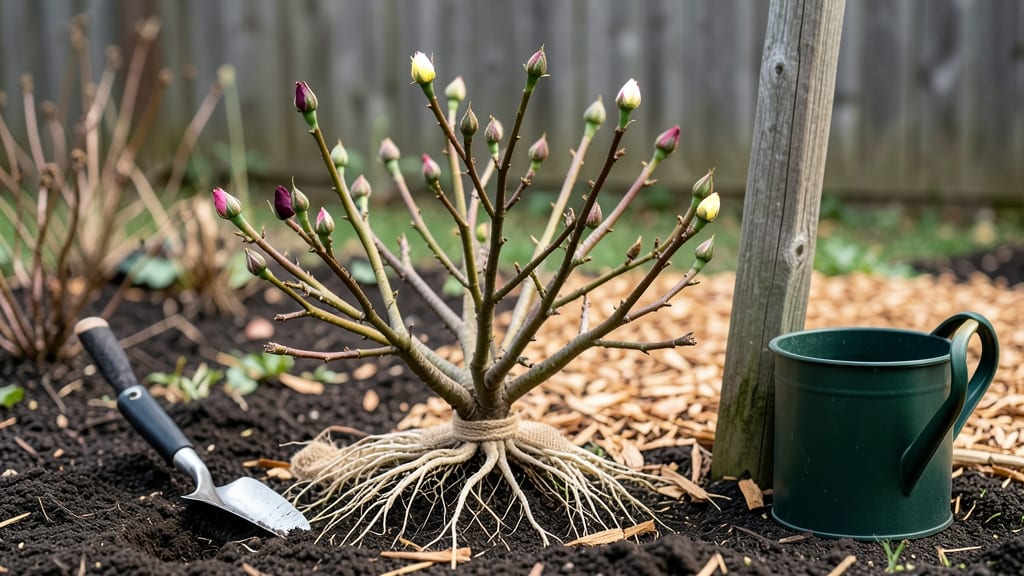
Timing is everything when you're planting bare root roses in Zone 9—get it wrong, and your 🌹 might struggle to take root before the heat sets in.
The ideal window isn't just about avoiding frost (which is rare here) but about catching that sweet spot of cool, wet weather when roots can establish without stress.
Most gardeners in Zone 9b reach for their shovels between late fall and early spring, but there's a 6-8 week window that makes all the difference.
Plant too early, and you risk exposing tender roots to lingering summer heat; too late, and your roses won't have time to settle before the growing season kicks in.
What you'll discover here is exactly when to plant for maximum success—plus how to prep your roses, choose the right conditions, and avoid common mistakes that sabotage even the most careful gardeners. Let's get those roots in the ground the right way.
From soaking roots to selecting transplant-friendly days, I'll walk you through every step to ensure your bare root roses thrive in Zone 9's mild but tricky climate. Ready to set your garden up for blooms that'll last?

Best planting window for bare root roses in Zone 9: timing and climate factors
Zone 9's mild winters create a unique challenge for planting bare root roses. Unlike colder climates, you can't wait for spring—your window is late fall to early spring (November through February).
This 6-8 week cool-season window gives roots time to establish before summer heat arrives, which can stress newly planted roses.
The ideal planting months in Zone 9 are November through January, when daytime temperatures stay between 50°F and 70°F. This range prevents heat stress while allowing roots to acclimate gradually.
Planting in February is possible but riskier—closer to summer's arrival, your roses may struggle to establish before the heat sets in.
Here's why timing matters: Bare root roses enter dormancy naturally in cooler weather. Planting them during this period minimizes transplant shock because the plant isn't actively growing.
In Zone 9, where frost is rare, you avoid the damage cold snaps can cause to tender new roots while still benefiting from cooler, wetter conditions that encourage root growth.
One common mistake is waiting until spring's peak (March-April). While this works in colder zones, Zone 9's rapid warming can lead to root desiccation before the plant establishes. The 60-day root establishment period must happen before summer's 100°F+ temperatures arrive, or your roses may struggle to recover.
For Zone 9b gardeners (the cooler end of Zone 9), you have slightly more flexibility—planting as late as early March can still work if you provide extra shade during the hottest afternoon hours.
However, Zone 9a areas (hotter) should aim for November-January planting to give roots maximum time to establish before summer's intensity.
| Planting Window | Zone 9b Ideal | Zone 9a Ideal | Temperature Range | Key Consideration |
|---|---|---|---|---|
| Late Fall | November | November | 50-65°F | Cool nights, minimal heat stress |
| Winter | December-January | December-January | 55-70°F | Optimal root growth period |
| Early Spring | Early March | Late February | 60-75°F | Risk increases with warmer temps |
| Late Spring | Avoid | Avoid | 80°F+ | High transplant shock risk |
| Summer | Never | Never | 90°F+ | Root desiccation guaranteed |
Soil temperature is another critical factor. Bare root roses need soil that's above 50°F but below 75°F for optimal root growth. In Zone 9, November soil temps often meet this perfectly, while March soil can already be too warm.
Use a soil thermometer to check—if it's consistently above 75°F, wait another month or provide shade cloth.
Don't let the lack of frost in Zone 9 fool you—your roses still need that cool-season dormancy period. Planting in summer or early fall (September-October) is a common mistake that leads to poor root development and heat stress.
The 60-day establishment window before summer's peak is non-negotiable for Zone 9 success.
Pro tip: Pay attention to moon
Best planting window for bare root roses in Zone 9: timing and climate factors
Zone 9’s mild winters create a unique challenge for bare root roses—plant too early, and roots may rot in persistent moisture. Plant too late, and summer heat stress stunts growth. The ideal window spans November through February, when cooler temps and higher humidity reduce transplant shock.
For maximum root establishment, aim to plant 6-8 weeks before your region’s last cool snap**>. In most of Zone 9 (including Los Angeles and Phoenix), this means December–January.
Southern Zone 9 (e.g., Tucson) can extend planting until early February, while coastal areas like San Diego may start as early as late November.
🌹 Key climate factors to monitor:
| Factor | Zone 9 Target | Why It Matters |
|---|---|---|
| Soil Temperature | 50–60°F (10–15°C) | Cooler soil prevents root burn and encourages rapid growth. |
| Air Temperature | 55–70°F (13–21°C) | Reduces transplant shock and water stress. |
| Rainfall | 0.5–1 inch/week | Natural moisture speeds root development without overwatering risks. |
| Humidity | 40–60% | Higher humidity reduces wilting during root establishment. |
Avoid planting in Zone 9’s summer heat (June–August), as bare root roses cannot tolerate temperatures above 85°F (29°C). Even spring planting (March–April) risks heat stress unless you use shade cloth for the first 2–3 weeks.
For coastal Zone 9 (e.g., San Diego), the best window is November–January, thanks to milder winters. Inland areas like Phoenix should plant by mid-January to avoid sudden warmth that disrupts root growth.
🌿 Pro Tip: Check your local USDA Zone 9b/10a frost dates—even a light frost (below 32°F/0°C) can damage newly planted roses. Use a frost cloth if planting in December.