
Plants
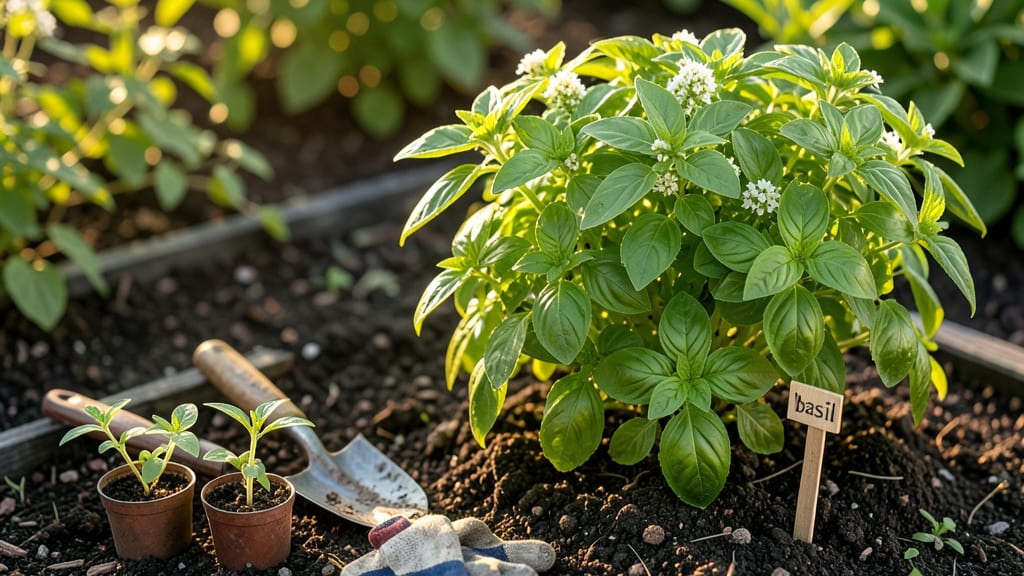
Timing your basil planting perfectly in Colorado isn't just about luck—it's about avoiding the heartbreak of premature bolting or stunted growth.
With frost dates that can shift from late April to early May, knowing the exact window to plant 🌿 basil means the difference between a thriving herb garden and a failed experiment.
Most gardeners in USDA zones 5-7 wait until after the last frost, but Colorado’s elevation changes everything. Urban Denver might be ready by May 1st, while high-altitude areas near Fort Collins could need to wait another week.
The key? Monitoring soil temperatures and local microclimates to plant when it’s truly safe.
Here’s what you need to know: soil prep, the best varieties for Colorado’s climate, and how to extend your harvest season without risking bolting. Whether you’re growing basil in containers or in-ground, these strategies will help you enjoy fresh, flavorful leaves from June through September—and maybe even longer.
Let’s break down the science-backed timeline so you can plant with confidence and avoid common mistakes that derail Colorado gardens. Your perfect basil patch starts here.
Colorado’s frost-free zones: when to plant basil by elevation
Colorado’s diverse elevations create microclimates that drastically affect when you can safely plant basil. The USDA Zones 4-7 across the state mean frost dates can vary by 3-4 weeks from Denver to the mountains.
For sweet basil, timing is critical—plant too early, and you risk bolt risk from lingering cold snaps.
Most Colorado gardeners aim for late April to early May as their target window, but this shifts higher in elevation. At 5,000 feet (like Denver), average last frost is April 20, while 7,000 feet areas (Fort Collins) may wait until May 5.
Mountain regions (8,000+ feet) often delay planting until mid-May.
Here’s how to pinpoint your exact planting window using local frost data and elevation adjustments:
| Elevation Range | USDA Zone | Avg. Last Frost | Safe Planting Window | Basil Variety Tip |
|---|---|---|---|---|
| 2,000–4,000 ft (Pueblo) | Zone 7 | April 10–15 | Late April | Genovese (heat-tolerant) |
| 4,000–6,000 ft (Denver) | Zone 6 | April 20–25 | Early May | Sweet Basil (fast-growing) |
| 6,000–8,000 ft (Fort Collins) | Zone 5 | May 5–10 | Mid-May | Spicy Globe (compact) |
| 8,000+ ft (Estes Park) | Zone 4 | May 15–20 | Late May | Thai Basil (cold-hardy) |
For urban gardeners in cities like Denver or Colorado Springs, check your microclimate. South-facing walls or rooftop gardens can warm up 1-2 weeks earlier than official frost dates. Use a soil thermometer to confirm temperatures are above 50°F before planting.
If you’re in a high-altitude zone, consider starting seeds indoors 4-6 weeks before your target date. Basil seeds germinate best at 70-80°F, so a seedling heat mat helps in cooler climates. For container growing, you can plant 2 weeks earlier since pots warm up faster.
Pro tip: Bookmark the Colorado State University Extension’s frost calendar for real-time updates. Their data accounts for 10-year averages, which helps you adjust for La Niña or El Niño years with earlier/later frosts.
For example, in 2023’s late frost, Denver’s last frost was May 10, delaying basil planting by 15 days.
Once you’ve nailed your planting window, prioritize well-draining soil and full sun exposure (6+ hours daily) to prevent bolting. In Colorado’s dry climate, mulch with straw or wood chips to retain moisture and regulate soil temperature. This is especially critical in Zone 5-6 where temperature swings trigger stress.
For succession planting, sow new seeds every 2-3 weeks until July 15 to ensure a continuous harvest. This works best for Genovese basil, which matures in 60 days. Pair this with row covers for early starts or late-season protection against fall frosts.
Remember: Basil hates cold feet. Even a single night below 40°F can stunt growth or trigger bolting. Monitor your local National Weather Service alerts and have row covers ready for unexpected cold snaps through June.
How to extend your basil season in Colorado without risking bolting
Colorado’s short growing season doesn’t mean you’re limited to a few weeks of basil. With the right strategies, you can enjoy fresh leaves from late spring to early fall—or even longer. The key is extending your planting window while protecting tender plants from late frosts and early heat.
Whether you’re growing in containers or garden beds, these methods will help you avoid premature bolting and maximize your harvest.
One of the easiest ways to get a head start is by starting basil indoors 4-6 weeks before your last frost date. Use grow lights or a sunny windowsill to give seedlings a strong foundation before transplanting.
For Colorado’s USDA zones 5-7, this means sowing seeds indoors by mid-March in Denver or late March in higher elevations like Fort Collins. This early start ensures your basil is ready to thrive once soil temperatures hit 50°F or warmer.
If you’re short on indoor space, consider heat-tolerant basil varieties like Genovese or Sweet Basil, which handle Colorado’s summer heat better than others. These varieties also resist bolting longer, giving you more time to harvest before the plant shifts its energy to flowering.
Pair them with mulch to keep roots cool and retain moisture, which is especially critical during our dry, high-altitude summers.
- 🌱 Start Indoors: Sow seeds 4-6 weeks before last frost (mid-March for Denver).
- 🌡️ Use Row Covers: Protect seedlings with lightweight fabric until soil warms to 50°F.
- ☀️ Choose Heat-Tolerant Varieties: Genovese or Sweet Basil handle Colorado’s heat better.
- 💧 Mulch Heavily: Retain moisture and regulate soil temperature.
- ⏰ Succession Plant: Sow new seeds every 2-3 weeks for continuous harvests.
For gardeners in urban areas with microclimates, row covers are a game-changer. These lightweight fabrics shield tender basil from late spring frosts (which can still hit Denver into mid-May) while allowing sunlight and water to pass through.
Remove covers once daytime temperatures consistently stay above 55°F, usually by late May. This extra protection lets you plant basil 2-3 weeks earlier than the traditional last-frost date, giving your plants a longer growing season.
Don’t forget about succession planting—a simple trick to keep your basil supply fresh all summer. Instead of planting all your seeds at once, sow new batches every 2-3 weeks from late May through July.
This staggered approach ensures you always have young, flavorful leaves ready to harvest, even as older plants start to bolt. It’s perfect for Colorado’s short but intense growing season, where every extra week counts.
Finally, if you’re growing basil in containers, you have even more flexibility. Pots warm up faster than garden soil, so you can transplant seedlings 1-2 weeks earlier than in-ground plants. Just ensure containers have drainage holes and use a lightweight potting mix to prevent waterlogging.
Place pots in south-facing locations to maximize sunlight, and move them indoors or under a cover if a cold snap is forecasted. With these adjustments, container-grown basil can thrive well into October in Colorado’s milder microclimates.
By combining these strategies—indoor starts, row covers, heat-tolerant varieties, mulching, and succession planting—you’ll turn Colorado’s challenges into opportunities. Soon, you’ll be harvesting basil from June through September (or longer!) without the risk of bolting ruining your crop. Happy gardening! 🌿